3 leopards found dead in North Kashmir, poisoning suspected
Source Entity
NASEER GANAI
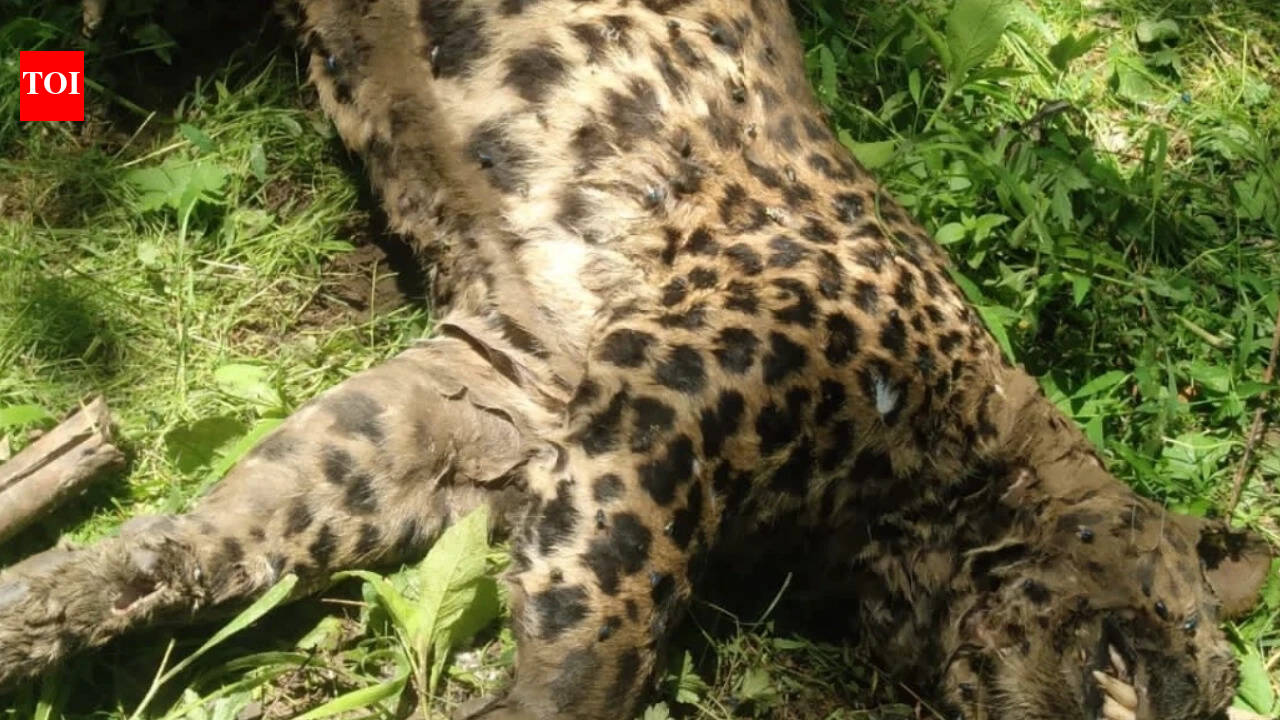
Three leopard cubs were discovered dead in the Kunzar area of North Kashmir, with wildlife authorities suspecting poisoning. An FIR has been registered as investigations into the suspicious deaths continue.
Tragic Discovery in North Kashmir
The discovery of three leopard cubs in the forests of the Kunzar area in North Kashmir’s Baramulla district has sent shockwaves through the local wildlife conservation community. Within a span of just two days, these young animals were found dead, sparking immediate alarm among forest officials and residents alike. The loss of these cubs, two of which were female and estimated to be between eight and nine months old, represents a significant blow to the local ecosystem and the ongoing efforts to protect the region’s apex predators.
Official Investigation and Suspicions
Wildlife officials, led by department representative Shahid Sultan, took immediate action upon discovering the bodies on November 17. A crucial detail in this investigation is the absence of visible injury marks on any of the cubs, which effectively ruled out common causes of death such as territorial fighting or physical trauma from human-wildlife encounters. Following preliminary autopsies, the wildlife protection department has formally filed an FIR against unknown individuals, citing strong suspicions of poisoning. This legal step underscores the severity with which authorities are treating this incident.
The Impact of Human-Wildlife Conflict
This incident highlights the escalating tensions in the Tangmarg region, where human settlements and forest boundaries increasingly overlap. As habitats shrink due to infrastructure expansion and encroachment, leopards are frequently forced into closer proximity with human populations. The suspected use of poison is a grave concern, as it suggests a direct and potentially retaliatory human intervention. Such methods are indiscriminate and pose extreme risks not only to the target species but to the entire local food chain, including scavengers and domestic animals.
Conservation Challenges in Baramulla
North Kashmir is home to a fragile biodiversity that requires strict oversight. The loss of these cubs is particularly concerning because the survival of such young animals is vital for maintaining the leopard population density in the area. When mortality rates spike due to unnatural causes like poisoning, it disrupts the natural reproductive cycle of the species. The Wildlife Protection Department is currently conducting a deeper forensic analysis to confirm the specific toxins involved, which will be essential for identifying the source of the threat.
Future Trends and Mitigation
Moving forward, the incident necessitates a re-evaluation of how the wildlife department interacts with local communities in Baramulla. Effective conservation in this region will require a multi-faceted approach, including increased surveillance, public awareness campaigns regarding the legal consequences of harming wildlife, and the implementation of better deterrents for human-wildlife conflict. Without such measures, the cycle of retaliatory actions will likely continue, threatening the long-term stability of the leopard population in the Kashmir Valley.
Conclusion
The death of these three cubs serves as a stark reminder of the complexities involved in wildlife management in North Kashmir. While the investigation into the suspected poisoning remains ongoing, the incident highlights the urgent need for better protection protocols and community cooperation to ensure that the region’s wildlife can coexist safely with local human populations.