Oil infra hit by Ukraine, Russia gets 70% of its fuel from India
Source Entity
ATUL MATHUR
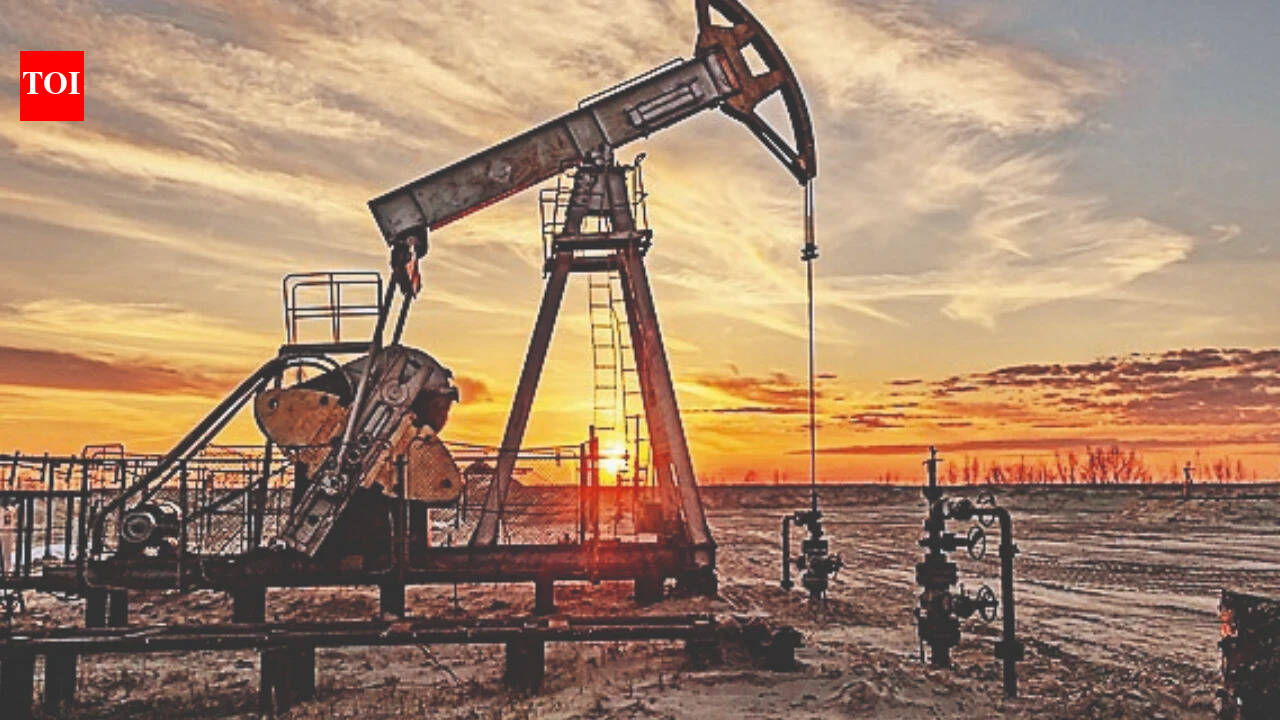
Russia has turned to India to secure fuel supplies following Ukrainian drone strikes on its domestic energy infrastructure. Data from CREA highlights a record surge in Russian imports of Indian-refined gasoline, underscoring a complex shift in global energy trade dynamics.
The Shift in Global Energy Dynamics: India as Russia's Fuel Lifeline
Recent reports from the Centre for Research on Energy and Clean Air (CREA) reveal a significant shift in the global energy landscape, as Russia has increasingly turned to India to address critical fuel shortages. Following a series of targeted Ukrainian strikes on Russian energy infrastructure, which crippled domestic refining capabilities, Moscow found itself in an unprecedented position of needing to import refined oil products. In August, Russia imported a record 172,000 tonnes of oil products, with nearly 70% of this supply originating from India.
The Mechanics of the Refined Trade
The irony of this trade relationship lies in the circular nature of the supply chain. Much of the gasoline exported by India to Russia was processed from Russian-origin crude oil. A primary source of this fuel is a refinery in India that maintains partial ownership by the Russian oil giant Rosneft. This arrangement highlights how international energy markets have adapted to geopolitical volatility, with India serving as a crucial processing hub that bridges the gap between Russian extraction and the Kremlin’s domestic consumption needs.
Geopolitical Implications of Infrastructure Attacks
The strategic targeting of Russian refineries by Ukraine represents a calculated attempt to squeeze the Russian economy by limiting its domestic fuel availability. By damaging the infrastructure required to convert crude oil into usable gasoline and diesel, Ukraine has forced Russia to pivot from being a net exporter of refined products to a temporary importer. The fact that Russia’s import volumes in August hit levels seven times higher than previous monthly records underscores the severity of the damage inflicted upon their energy sector.
India’s Role as a Strategic Energy Partner
While India continues to function as the second-largest importer of Russian crude oil—trailing only China—the nature of this relationship is becoming increasingly multifaceted. Although India’s overall imports of Russian crude saw a slight decline in August compared to the preceding two months, the surge in refined fuel exports to Moscow demonstrates that India’s role in the global energy ecosystem remains indispensable. This dynamic allows India to balance its own energy security needs while navigating the complex sanctions environment imposed on Russia by Western nations.
Future Trends and Market Stability
Looking ahead, the reliance of the Russian market on Indian-refined products suggests that the impact of the conflict on energy infrastructure will have long-term consequences for global trade flows. As long as Russia’s domestic refinery capacity remains hampered by ongoing attacks, the trade corridor between Mumbai and Moscow will likely remain active. Experts anticipate that this dependence will force both nations to further integrate their energy logistics, potentially setting a precedent for how sanctioned or war-affected economies maintain critical supplies through third-party intermediaries.
Conclusion
The situation illustrates a profound transformation in energy geopolitics. By converting Russian crude into refined fuel and selling it back to Russia, India has effectively acted as a shock absorber for the Russian economy. As the conflict continues to disrupt energy infrastructure, the global market will continue to watch how India balances its strategic autonomy with the shifting demands of its major energy partners.