India-UK FTA: What it means for agriculture, farmers and MSME
Source Entity
TOI Education
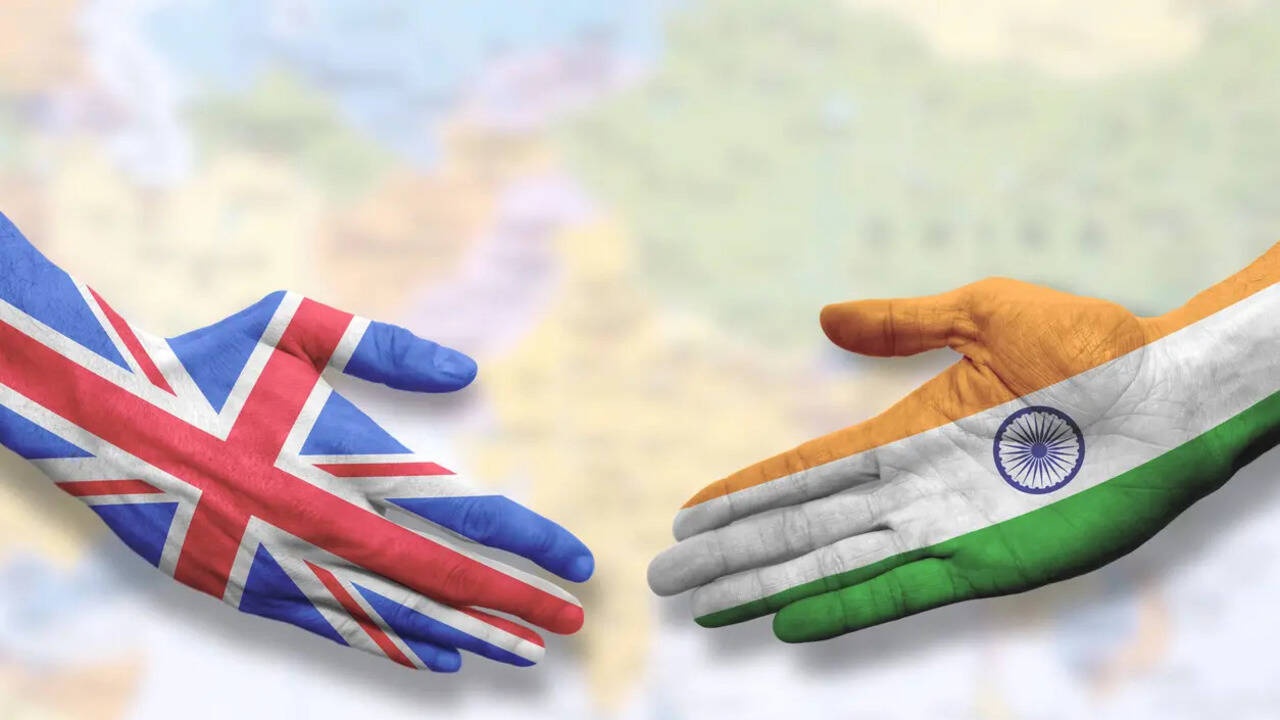
An analysis of the India-UK Free Trade Agreement (FTA) and its projected effects on the agricultural sector, small-scale farmers, and Micro, Small, and Medium Enterprises (MSMEs).
Analysis of the India-UK Free Trade Agreement: Agricultural and MSME Implications
The proposed Free Trade Agreement (FTA) between India and the United Kingdom is more than a mere commercial contract; it is a strategic economic realignment. For India, the agreement represents an opportunity to integrate more deeply with a major global economy post-Brexit, while for the UK, it is a cornerstone of the 'Global Britain' strategy to diversify trade away from the European Union. However, the negotiations are characterized by a complex balancing act, particularly regarding the sensitive sectors of agriculture and the protection of small-scale domestic industries.
The Agricultural Tightrope
Agriculture remains one of the most contentious points in the FTA negotiations. The UK seeks significantly lower tariffs on its premium agricultural exports, most notably Scotch whisky and dairy products. For India, however, the agricultural sector is not just an economic pillar but a social safety net for millions of farmers. The primary concern for Indian policymakers is that an influx of highly subsidized UK dairy and processed foods could undercut local prices, threatening the livelihoods of smallholder farmers who cannot compete with the industrial scale of Western farming.
Impact on Small-Scale Farmers
Beyond the macro-economic data, the human element involves the vulnerability of Indian farmers to global price volatility. If the FTA leads to a reduction in import duties on sensitive agri-commodities, there is a risk of 'market flooding.' To mitigate this, India has historically maintained 'negative lists' or 'sensitive lists' to protect essential crops. The challenge in the current FTA is determining which products can be liberalized without triggering a rural economic crisis, ensuring that the gains from trade are not concentrated in the corporate sector while the losses are borne by the peasantry.
Opportunities and Risks for MSMEs
Micro, Small, and Medium Enterprises (MSMEs) stand to gain significantly from reduced non-tariff barriers and streamlined customs procedures. Indian MSMEs in sectors such as textiles, leather, and jewelry could see an increase in exports to the UK market. Conversely, there is a fear that the removal of protective tariffs could allow sophisticated UK-made specialized machinery or chemicals to displace local MSME production. The success of the FTA for MSMEs depends on whether these small businesses are provided with the digital infrastructure and quality-standard certifications required to compete in a high-regulation market like the UK.
Broader Geopolitical and Economic Context
Historically, India's trade policy has fluctuated between protectionism and liberalization. The current drive toward an FTA reflects a shift toward 'strategic autonomy,' where India seeks to diversify its supply chains and reduce dependence on any single trading partner. For the UK, securing a deal with one of the world's fastest-growing economies is essential to offset the trade frictions introduced by its exit from the EU Single Market. This agreement serves as a blueprint for how a developed economy and a developing economy can negotiate terms that respect different stages of industrialization.
Conclusion and Future Outlook
In summary, while the India-UK FTA promises substantial growth in services and high-tech trade, its legacy will be defined by how it handles the 'ground-level' economy. The agreement must ensure that the pursuit of GDP growth does not come at the cost of rural stability or the erasure of the MSME sector. Future trends suggest that the final deal will likely involve a phased reduction of tariffs and specific 'safeguard mechanisms' to protect farmers, ensuring a transition that is economically viable and socially sustainable for both nations.