New York Fed President Williams says inflation has peaked, rates 'well positioned'
Source Entity
US Top News and Analysis
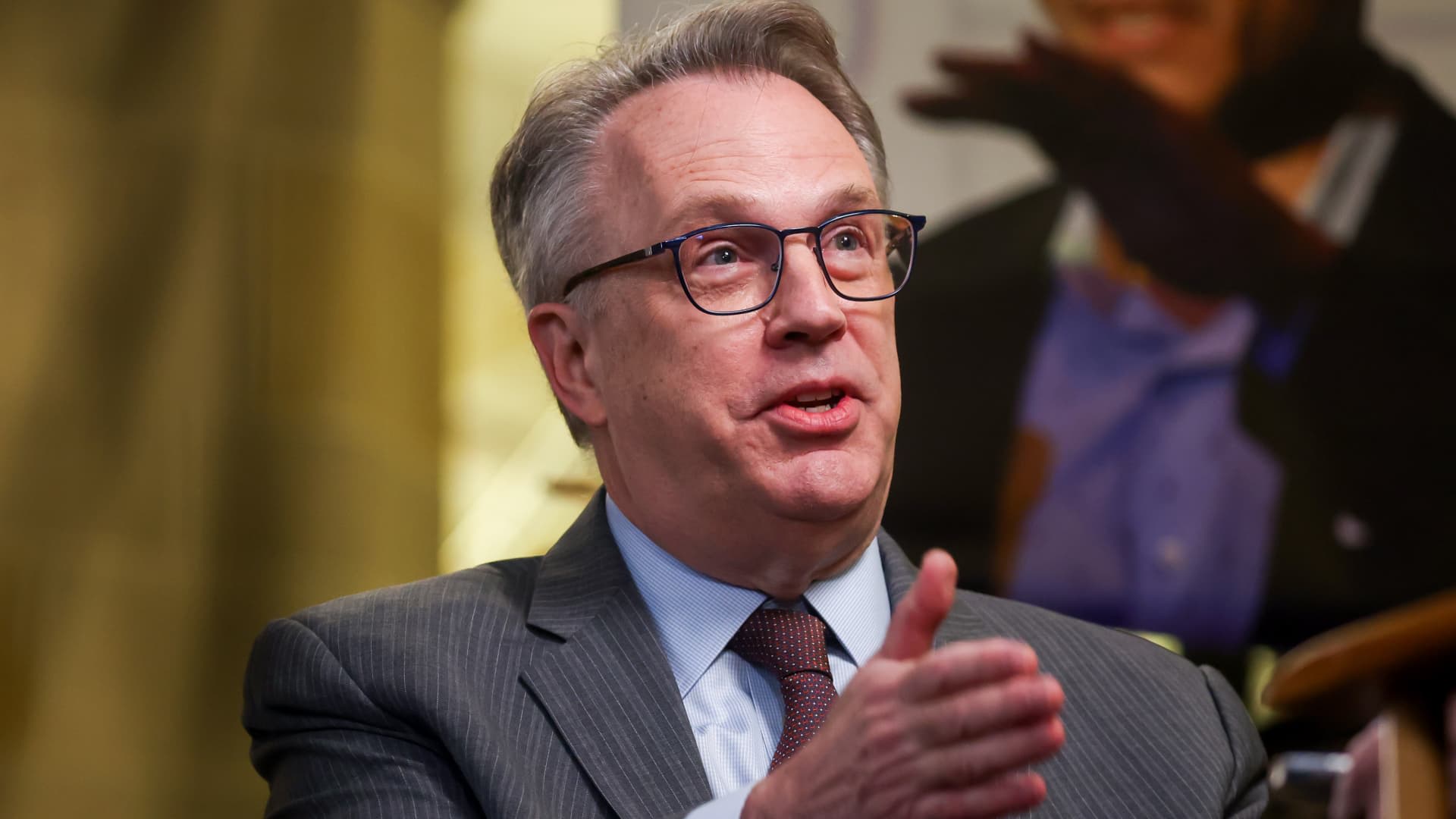
NY Fed President John Williams has indicated that inflation has peaked and that current interest rates are 'well positioned' to manage the economy, citing five specific reasons for his optimistic outlook on price stability.
Analysis of NY Fed President Williams' Outlook on Inflation and Interest Rates
The Signal of a Turning Point
New York Federal Reserve President John Williams' assertion that inflation has peaked marks a critical psychological and strategic shift in the Federal Reserve's approach to monetary policy. By stating that the price surge has run its course, Williams is signaling to the markets that the aggressive tightening cycle—characterized by rapid interest rate hikes to curb post-pandemic inflation—may have achieved its primary objective. This perspective is not merely an observation but a strategic indicator that the Fed is moving from a phase of active combat against inflation to a phase of stabilization and monitoring.
Deconstructing the Rationale for the Peak
Williams' confidence is anchored in five specific reasons why he believes the latest price surge has concluded. While the broader economic landscape remains complex, such a conclusion typically stems from a combination of supply-side recovery and demand-side cooling. This likely includes the normalization of global supply chains, the easing of energy price volatility, and a gradual cooling of the labor market. By grounding his conclusion in a multi-point framework, Williams is attempting to provide a data-driven narrative to prevent market volatility, ensuring that investors understand that the 'peak' is based on structural evidence rather than speculative optimism.
The Concept of "Well Positioned" Rates
The claim that interest rates are "well positioned" is perhaps the most impactful part of the statement. In central banking terms, this suggests that the "restrictive" level of interest rates has been reached—the point where borrowing costs are high enough to dampen spending and investment to a level consistent with the Fed's long-term inflation targets, but not so high as to trigger a severe recession. This positioning implies a "plateau" strategy, where the Fed maintains current rates to ensure inflation stays down without needing further hikes, effectively aiming for the elusive "soft landing."
Broader Economic Implications and Historical Context
Historically, the transition from a hiking cycle to a holding pattern is a precarious period. The Federal Reserve is acutely aware of the lessons from the 1970s, where premature easing led to a second, more stubborn wave of inflation. By emphasizing that rates are "well positioned" rather than suggesting immediate cuts, Williams is signaling a cautious optimism. He is acknowledging that while the peak is behind us, the path back to the target inflation rate is often a "long slog," requiring sustained restrictive policy to ensure that price stability is permanent and not a temporary dip.
Market Sentiment and Future Trends
The financial markets typically react to such signals with a mix of relief and anticipation. A declaration that inflation has peaked often leads to a stabilization in bond yields and can provide a bullish tailwind for equities, as the fear of "higher for longer" rates evolves into a "steady for longer" reality. Moving forward, the focus of market analysts will shift from how high rates will go to when they will begin to descend. However, Williams' stance suggests that the Fed will not rush this process, prioritizing the complete eradication of inflation over the desire to stimulate short-term growth.
Conclusion: A Shift Toward Stability
In summary, President Williams' comments reflect a growing consensus within the Federal Reserve that the most acute phase of the inflation crisis has passed. By anchoring his views in a multi-faceted rationale and asserting that current rates are appropriately set, he is guiding the economy toward a period of stability. The success of this strategy will depend on whether the underlying economic drivers remain stable in the face of potential new global shocks, but for now, the narrative has shifted from emergency intervention to strategic maintenance.