An Indian postcard from Venice: Why a pavilion at ‘Olympics of the art world’ matters
Source Entity
Trisha Mukherjee, Divya A
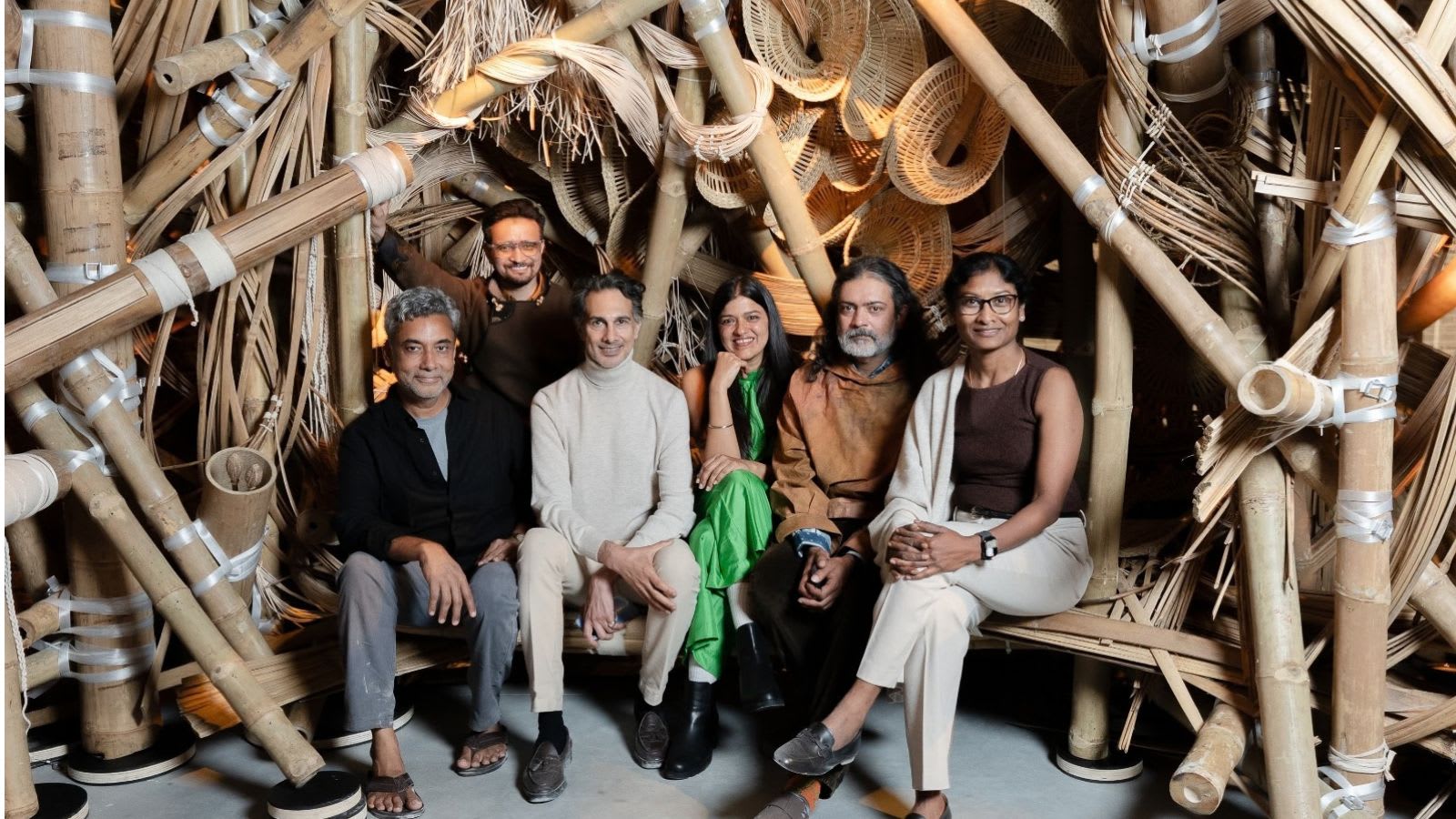
India has returned to the Venice Biennale after a seven-year hiatus with a pavilion titled 'Geographies of Distance: Returning Home.' Featuring works like Sumakshi Singh's 'Permanent Address,' the exhibition explores themes of displacement, memory, and the evolving concept of home.
India’s Resonant Return to the Venice Biennale
After a seven-year absence, India has made a significant return to the Venice Biennale, often referred to as the 'Olympics of the art world.' The pavilion, titled 'Geographies of Distance: Returning Home,' serves as a profound meditation on the complexities of belonging, displacement, and the physical manifestations of memory. Curated by Amin Jaffer, this presentation signals a revitalized commitment to showcasing Indian contemporary art on the most prestigious international stage.
The Poetics of Displacement
At the heart of the pavilion lies Sumakshi Singh’s installation, 'Permanent Address.' The work is deeply personal, utilizing delicate white threads to reconstruct the fragments of a demolished home—specifically 33 Link Road, Delhi. This structure, built by the artist’s grandparents in 1951 following their migration as Partition refugees from Pakistan, serves as a poignant anchor for the entire exhibition. By memorializing a house that no longer exists, Singh highlights the ephemeral nature of home for those shaped by historical trauma and migration.
Craft and Contemporary Narrative
The India pavilion distinguishes itself by grounding its contemporary discourse in traditional Indian craft practices. By weaving these ancient techniques into modern installations, the artists participating in the Biennale bridge the gap between historical heritage and current societal anxieties. The integration of craft is not merely aesthetic; it is a tactical choice that emphasizes the continuity of Indian identity across generations and geographies.
The Significance of Global Representation
Returning to Venice after nearly a decade is more than a cultural milestone; it is an act of soft power and global positioning. The Biennale attracts the world’s most influential curators, critics, and collectors, providing a platform for Indian artists to enter the global canon on their own terms. By focusing on the theme of 'Returning Home,' the Indian pavilion engages with universal themes of migration and identity, ensuring that local narratives resonate with a global audience.
Looking Ahead: The Future of Indian Art
This comeback suggests a burgeoning trend of institutional support for Indian artists seeking to address complex socio-political themes. As the art world becomes increasingly decentralized, the success of this pavilion could pave the way for more consistent Indian representation in international biennials. By balancing personal history with broader cultural inquiries, India is effectively shifting the narrative from being a passive observer to an active participant in global contemporary art history.