This September was Chandigarh’s driest in 3 years
Source Entity
Latest News: Todays Latest News Headlines from India & World | Hindustan Times | Hindustan Times
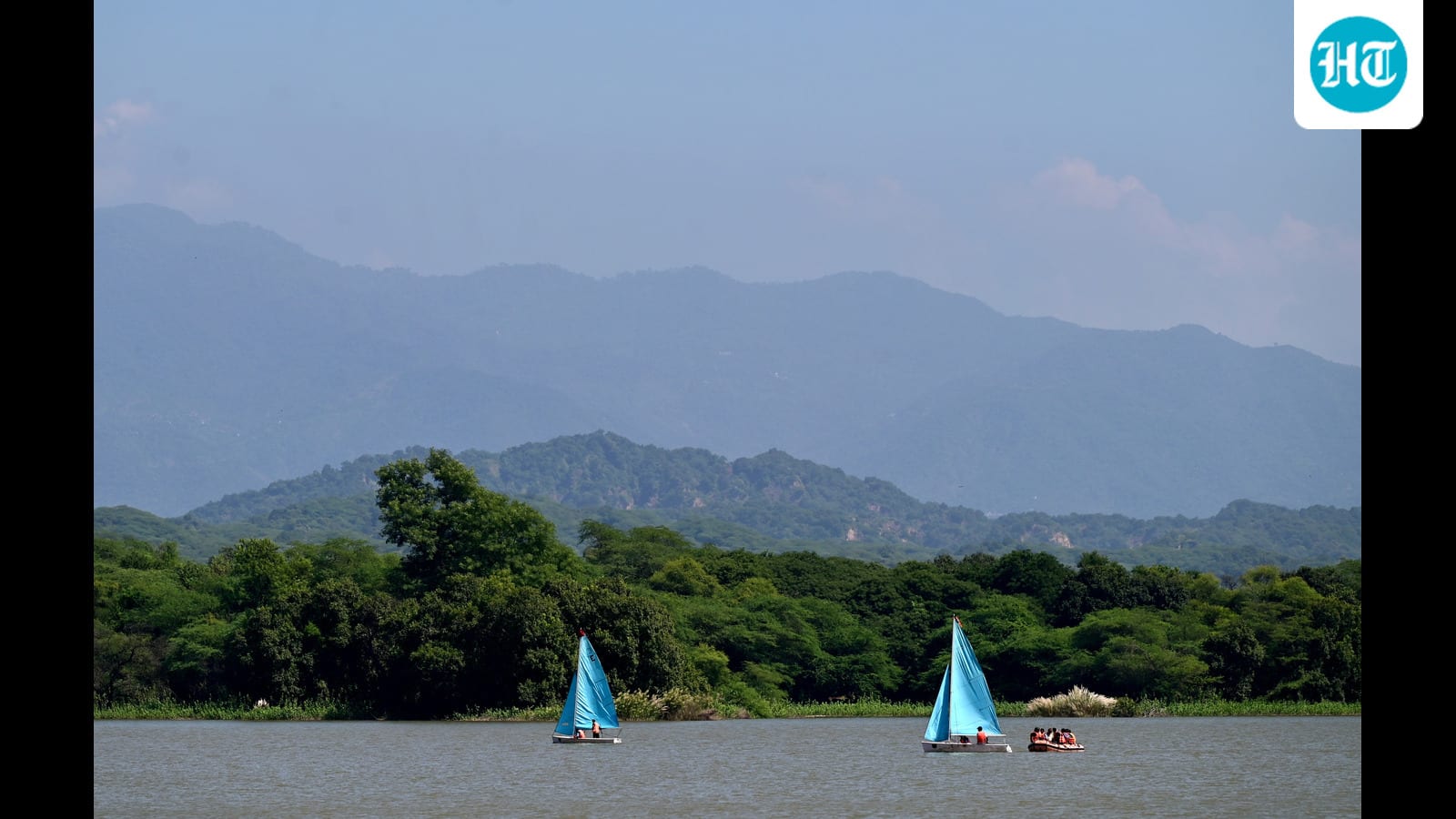
India is facing significant water stress as Chandigarh records its driest September in three years and Mumbai's reservoirs fail to reach full capacity. Authorities are implementing water cuts and drought mitigation strategies to manage the impact of El Niño-induced rainfall deficits.
The Impact of El Niño on India's Water Security
Recent meteorological data and municipal reports indicate a growing water crisis across India, driven by the persistent influence of the El Niño climatic pattern. In Chandigarh, the India Meteorological Department (IMD) reported that September concluded with 132.2 mm of rainfall. While this figure technically hovered slightly above the normal threshold of 131.4 mm, it represents the driest September for the city in three years, with the season showing a cumulative deficit of 15.9% compared to historical averages since June.
Chandigarh: A Case of Subdued Monsoon Activity
The situation in Chandigarh highlights the volatility of monsoon patterns in Northern India. According to IMD Chandigarh director Surender Paul, the region experienced subdued rainfall due to active El Niño conditions. Furthermore, the early withdrawal of the monsoon season curtailed the window for potential precipitation, leaving the city with a significant deficit for the June-to-September period. This trend reflects a broader shift in weather predictability that challenges urban planning and agricultural output.
The Crisis in Mumbai: Reservoirs and Scarcity
Moving to Western India, the Brihanmumbai Municipal Corporation (BMC) has sounded an alarm regarding the city's water security. Unlike previous years, where reservoir stocks reached near-total capacity, the seven lakes supplying Mumbai failed to hit the 100% mark this year. Data shows a marked decline compared to previous years, where stocks stood at 97.57% and 99.09% respectively. Consequently, officials have warned that current supplies may only suffice until May, necessitating a 10% water cut that has already been implemented.
Policy Responses and Drought Mitigation
The Maharashtra state government is taking aggressive steps to combat the looming agrarian and urban distress. Having declared a drought in 265 tehsils, the Cabinet sub-committee on drought mitigation is evaluating a comprehensive 10% cut in urban water supplies alongside strict construction restrictions in water-scarce zones. These measures are designed to preserve existing stocks while the state navigates the hydrological consequences of inadequate monsoon rainfall.
Economic Implications and Future Trends
Beyond immediate water rationing, the state is investing heavily in social safety nets to protect the rural economy. A budget of Rs 6,728 crore has been earmarked for the employment guarantee scheme to provide liquidity and support to rural populations affected by the drought. The confluence of urban water restrictions and rural economic support highlights the multi-faceted approach required to address climate-induced scarcity.
Conclusion: Adapting to a Changing Climate
The combination of localized rainfall deficits in Chandigarh and severe reservoir depletion in Mumbai underscores the vulnerability of India's water infrastructure to global climatic phenomena like El Niño. As the country faces these challenges, future policy will likely need to prioritize long-term water conservation, sustainable urban development, and robust drought-proofing strategies to ensure that both industrial and residential demands can be met despite increasingly erratic weather patterns.
Multiple Citing Sources
Verification Required?