5 Indian animals that ‘smell’ with their tongues
Source Entity
The Indian Express
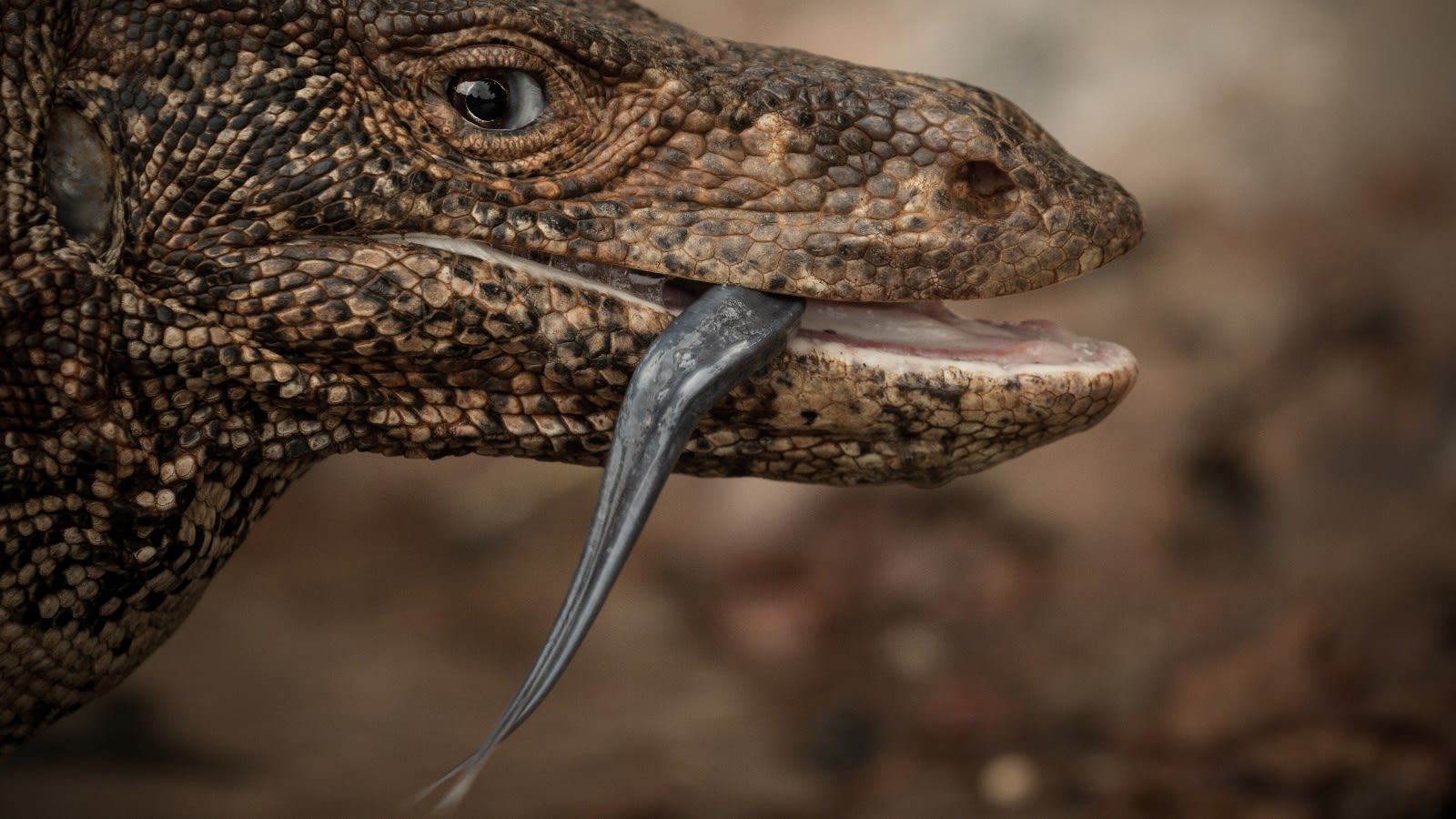
Indian wildlife utilizes specialized sensory systems, primarily the vomeronasal organ, to interpret their environment. By flicking forked tongues, animals like the Indian cobra can track chemical cues to navigate and hunt effectively.
The Hidden Sensory World of Indian Wildlife
Nature has evolved a myriad of ways for creatures to perceive their surroundings, often transcending the human reliance on vision and sound. In the dense and diverse ecosystems of India, a fascinating sensory mechanism exists where animals utilize their tongues as sophisticated chemical sensors. While humans primarily use their noses to detect scents, many reptiles, most notably snakes, rely on an intricate interaction between their forked tongues and the vomeronasal organ—also known as Jacobson’s organ—to navigate, hunt, and interact with their environment.
The Mechanics of Chemical Sampling
When a snake flicks its tongue, it is not merely a behavioral quirk or a defensive display; it is a vital biological function. The tongue acts as a specialized tool that collects microscopic chemical particles from the air, soil, or surfaces. Upon retraction into the mouth, these particles are delivered to the vomeronasal organ located in the roof of the mouth. This organ acts as a sensory processor, relaying chemical data to the brain, which then interprets the information to identify prey, potential mates, or approaching threats.
The Evolutionary Advantage of a Forked Tongue
One of the most remarkable aspects of this sensory system is the forked structure of the tongue. This evolutionary trait serves a critical purpose: it allows the animal to sample chemical cues from two slightly different points in space simultaneously. By analyzing the concentration and type of chemicals detected by each prong of the tongue, the animal can triangulate the source of a scent. This directional sensitivity is a masterclass in biological engineering, granting predators like the Indian cobra a distinct advantage when tracking elusive prey across complex terrains.
The Case of the Indian Cobra
Among the most iconic examples of this adaptation in India is the Indian cobra (Naja naja). As a species that occupies various habitats ranging from forests to agricultural fields, the ability to accurately sense the environment is paramount to its survival. By consistently sampling the air, the cobra can detect chemical trails left by rodents or other prey, even in conditions where visual identification might be difficult. This reliance on the vomeronasal organ highlights how deep-seated chemical sensing is to the survival strategies of India’s reptilian population.
Broader Ecological Implications
Understanding these sensory systems provides significant insight into the behavioral ecology of Indian wildlife. As environmental conditions shift and habitats become fragmented, the ability of these animals to interpret chemical cues becomes increasingly important. Predators that rely on these invisible 'maps' of scent are highly sensitive to changes in their chemical environment. Consequently, conservation efforts must account for the sensory needs of these species, ensuring that the chemical integrity of their habitats is preserved to allow for natural hunting and mating behaviors.
Conclusion: A Sophisticated Sensory Network
The reliance on tongue-flicking for chemical analysis is a testament to the complexity of animal cognition and sensory perception. By bridging the gap between external stimuli and internal processing, the vomeronasal organ allows animals like the Indian cobra to thrive in challenging environments. As research continues into the sensory capabilities of Indian fauna, we gain a deeper appreciation for the silent, chemical-driven world that governs the lives of so many species in the subcontinent.