Another gold for India! Women’s kabaddi team beats Iran to clinch Asiad title
Source Entity
JYOTIRMOY HALDER
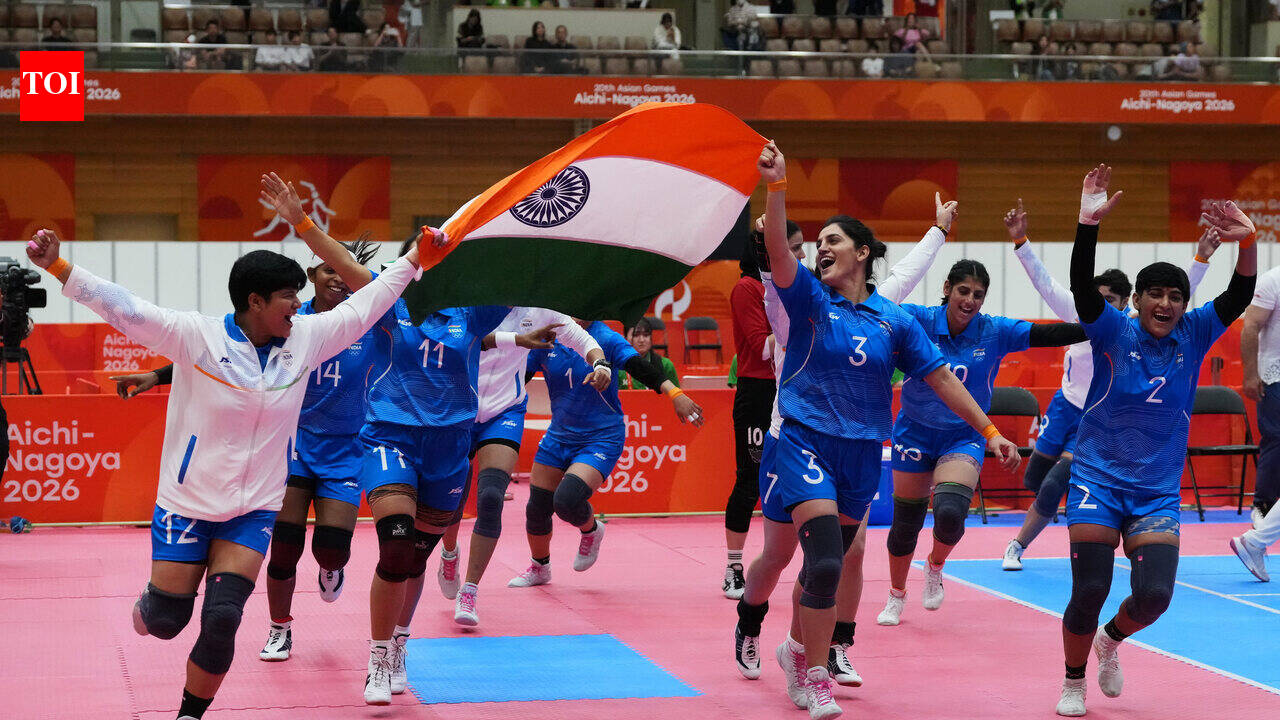
Indian athletes are excelling at the Asian Games with gold-medal shooting performances and silver-medal success in athletics. Meanwhile, Tejaswin Shankar's physical transformation highlights the dedication required for elite decathlon competition.
Resilience and Triumph at the Asian Games
The recent performances of Indian athletes at the Asian Games highlight a profound capacity for psychological and physical resilience. The narrative of shooters Suruchi Phogat and Kamaljeet Singh serves as a masterclass in overcoming disappointment. After suffering setbacks in their individual events, the pair faced the mental challenge of re-centering themselves. Their disparate recovery methods—Suruchi’s 13-hour sleep versus Kamaljeet’s restless four hours—underscores the unique ways elite athletes process pressure before finding common ground in the 10m air pistol mixed team event.
Turning Setbacks into Records
Facing the crushing weight of a competition that had 'slipped away,' the duo demonstrated remarkable mental fortitude. By channeling their frustration into the mixed team event, they not only secured gold but also established a new Asian Games record with 484.6 points. Outperforming the South Korean pair and the Iranian bronze medalists, Phogat and Singh proved that last-minute pairings can achieve synergy when built on a foundation of shared competitive intensity.
The Surge in Indian Athletics
Beyond the shooting range, India’s presence in track and field has seen a notable surge. Gulveer Singh’s silver medal in the 10,000m final follows the momentum established by Seema Kumari’s bronze in the women’s category. This consistent output of medals reflects a broader trend of Indian athletes performing at high levels on the international stage, suggesting an improved infrastructure for long-distance running and a deeper talent pool.
The Evolution of a Decathlete
Parallel to these achievements is the grueling physical transformation of Tejaswin Shankar. Moving from a high jumper—where a lean, 78kg frame with high leg-to-torso ratios is advantageous—to a decathlete required a complete physiological overhaul. Under the guidance of experts like Wayne Lombard, Shankar added 12kg of muscle mass over nine years, dropping his fat percentage further while building the aerobic strength necessary for the multi-event demands of the decathlon.
Implications for Future Performance
These stories collectively illustrate the evolving nature of Indian sports. Whether it is the psychological recovery of shooters or the long-term physical conditioning of track athletes, the focus has shifted toward scientific training and mental adaptability. As athletes continue to push their biological and psychological limits, the expectation for podium finishes at major international events like the Asian Games and Commonwealth Games is becoming the standard rather than the exception.
Conclusion
In summary, the recent success stories from the Asian Games and beyond are rooted in a combination of tactical recovery, strategic training, and sheer perseverance. By embracing the challenges of their respective disciplines, athletes like Phogat, Singh, and Shankar are not just winning medals; they are setting new benchmarks for the next generation of Indian competitors who seek to dominate on the global stage.
Multiple Citing Sources