Railways roadmap to improve passenger behaviour: counselling to CCTVs, Coach Mitra app to track boarding
Source Entity
Dheeraj Mishra
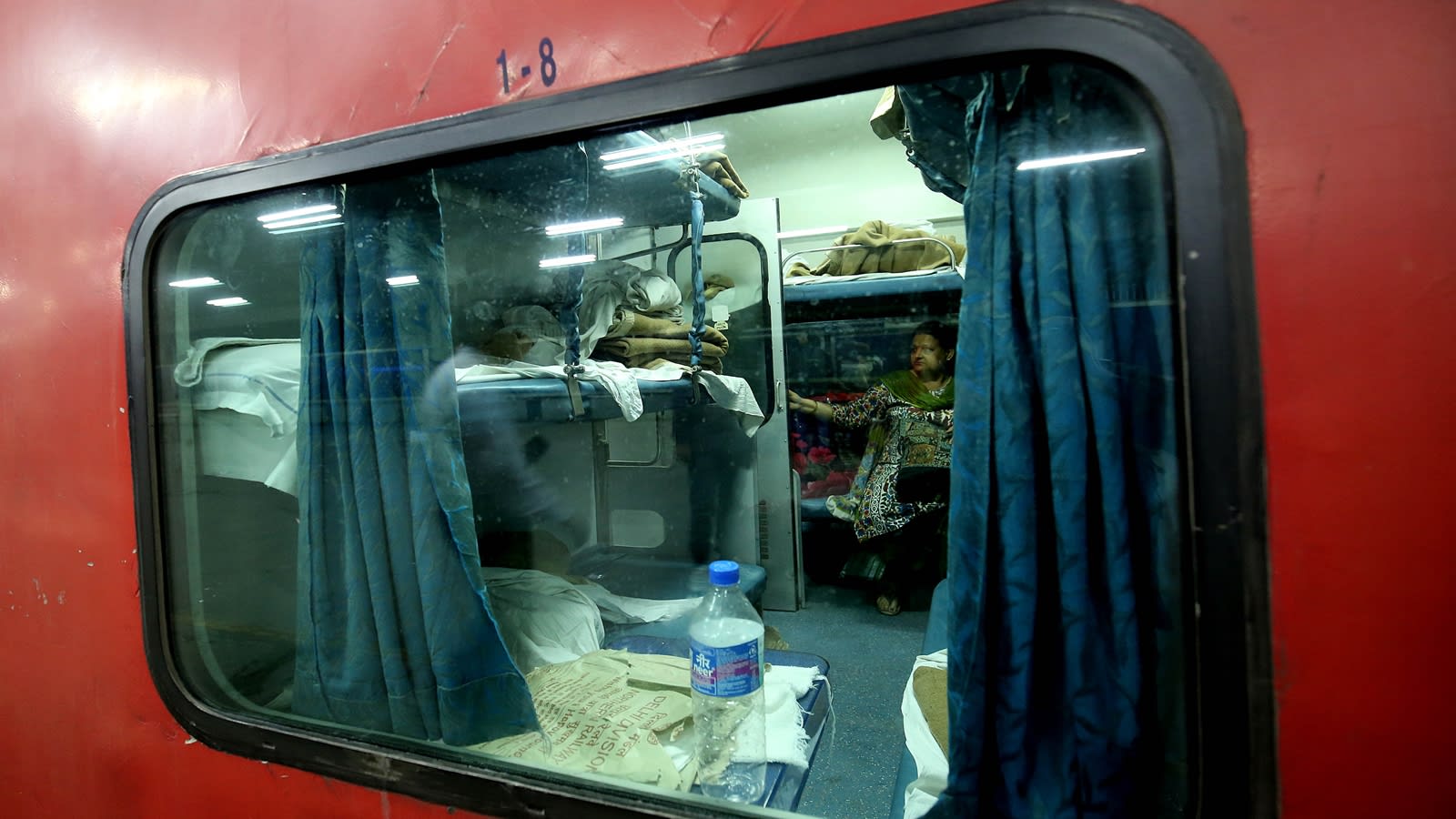
Divisions across the Railways have adopted a mix of measures to curb the theft of linen items from AC coaches — from counselling bedroll attendants, monitoring linen through CCTV, and using the Coach ...
Combatting Resource Leakage: Indian Railways' Strategy to Curb Linen Theft
Indian Railways, one of the largest rail networks globally, is facing a persistent challenge with the theft of linen items from its air-conditioned (AC) coaches. In response, various railway divisions have launched a multi-pronged 'roadmap' designed to improve passenger behavior and tighten inventory control. This initiative is not merely about replacing lost blankets or pillows; it is a systemic attempt to reduce operational losses and maintain the quality of service provided to millions of passengers.
The Human Factor: Counselling and Accountability
One of the core pillars of this strategy is the focus on the human element. By implementing counselling sessions for bedroll attendants, the Railways are addressing the first line of defense. Attendants are the primary custodians of the linen provided to passengers; therefore, ensuring they are vigilant and accountable is critical. This approach acknowledges that theft often occurs due to a lack of oversight during the distribution and collection phases. By sensitizing staff to the financial implications of these losses, the administration aims to create a culture of ownership and vigilance on board.
Digital Vigilance: The Role of CCTV and Surveillance
To complement human oversight, the integration of CCTV monitoring in AC coaches serves as a powerful deterrent. The psychological impact of surveillance often discourages opportunistic theft, as passengers are aware that their actions are being recorded. Beyond deterrence, these systems provide the administration with concrete evidence to identify repeat offenders or pinpoint gaps in the linen management process. This shift toward a surveillance-led model reflects a broader trend within Indian Railways to modernize security and operational monitoring across its vast fleet.
Technological Integration: The Coach Mitra App
Perhaps the most innovative aspect of this roadmap is the deployment of the 'Coach Mitra' app. By digitizing the tracking of passenger boarding and linen distribution, the Railways are moving away from manual logs, which are prone to error and manipulation. This app allows for real-time monitoring of which passenger received which set of linens, creating a digital trail that makes it significantly harder for items to vanish without a record. The use of such an application signifies the transition toward 'Smart Railways,' where data-driven insights are used to solve traditional logistical headaches.
Economic Implications and Service Quality
From a broader perspective, the theft of linen represents a significant recurring expenditure for the Indian Railways. The cost of procuring, laundering, and replacing high-quality linens for thousands of coaches daily is immense. When items are stolen, it not only impacts the budget but also risks the availability of clean linens for subsequent passengers, thereby degrading the overall travel experience. By curbing these losses, the Railways can redirect funds toward other critical infrastructure upgrades or improve the grade of materials used in passenger amenities.
Future Outlook: Towards a Disciplined Travel Culture
Looking forward, this initiative is likely a precursor to even more stringent inventory management systems, potentially involving RFID tagging of linens to track them via sensors. However, the ultimate goal is a behavioral shift among passengers. As the Railways implement more transparent and tech-enabled tracking, the expectation is that passenger discipline will improve. This roadmap serves as a blueprint for how the administration can balance technological adoption with staff management to protect public assets and enhance the efficiency of national transport.