Indiana floods kill at least 6 as severe storms trigger record river levels
Source Entity
TOI WORLD DESK
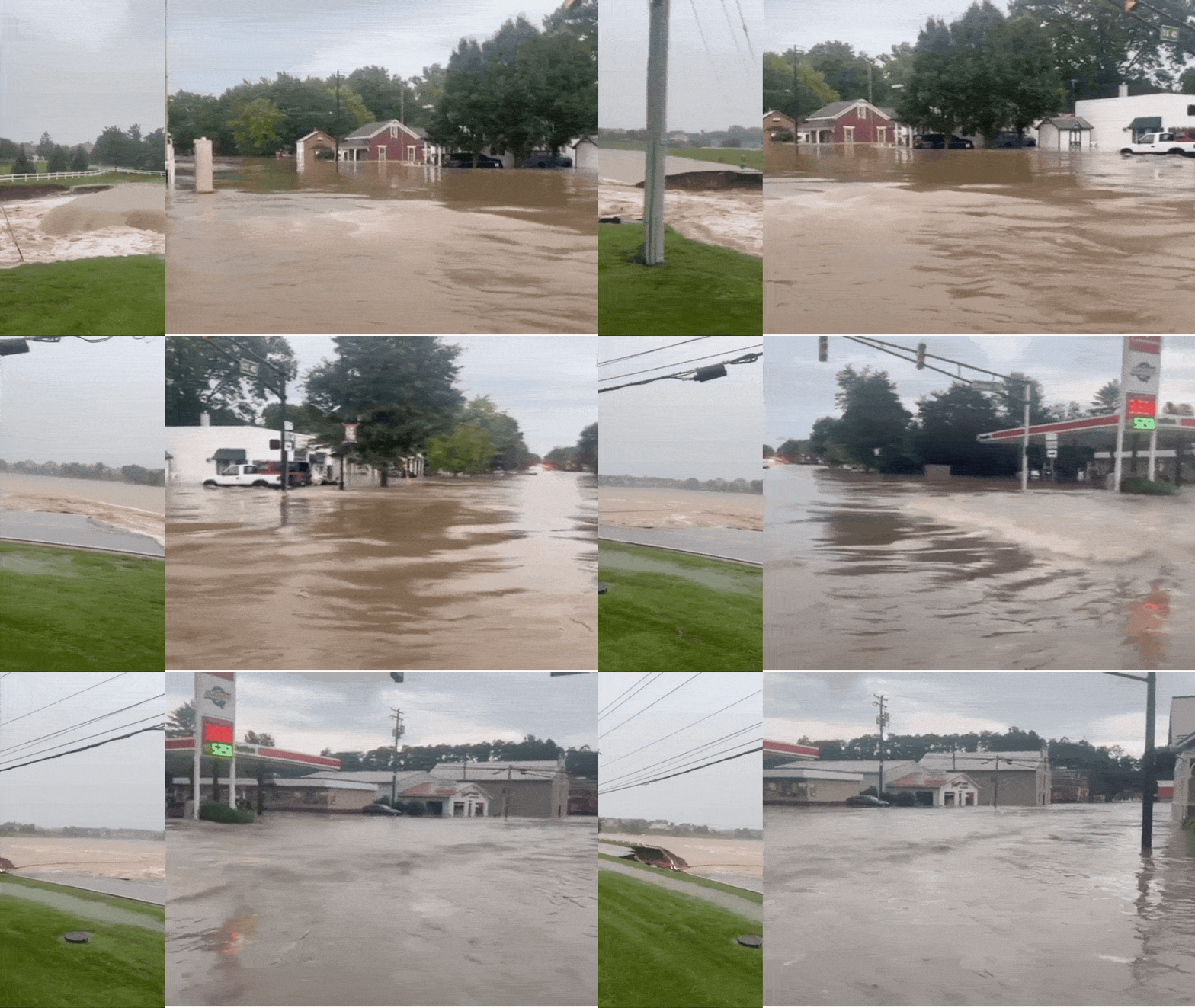
Severe storms and flooding in Indiana have resulted in at least six fatalities, including a young child. Emergency crews are actively rescuing residents as record water levels impact multiple counties across the state.
Devastating Floods Strike Indiana: A Comprehensive Overview
Recent severe weather events have left a trail of destruction across Indiana, resulting in at least six confirmed fatalities. The tragedy, which includes the loss of a 4-year-old child, underscores the lethal intensity of the storms that have swept through the region. According to state officials, the victims were spread across several counties, including Delaware, Jennings, Lake, Porter, and LaPorte, highlighting the widespread nature of the catastrophe.
The Impact on Indianapolis and the White River
The state capital, Indianapolis, has faced some of the most visible damage. The White River reached record levels, causing significant overflow that inundated local infrastructure. In the Ravenwood neighborhood, floodwaters rose to such heights that streets were rendered impassable, forcing residents to rely on kayaks and rowboats for basic mobility. This imagery of homes surrounded by murky water serves as a stark reminder of the vulnerability of urban areas when faced with extreme hydrological events.
Emergency Response and Search Operations
In response to the crisis, the Indiana State Emergency Operations Center and local authorities have mobilized extensive resources. Emergency crews have been deployed to conduct water rescues, navigating submerged streets to pull stranded residents to safety. The coordination between local first responders and state-level agencies remains critical as they work to navigate the dangers of rising floodwaters and damaged infrastructure while attempting to account for all missing individuals.
Broader Implications of Severe Weather
The loss of life, particularly involving a young child, has prompted a state-wide period of mourning and a renewed focus on disaster preparedness. The geographical spread of the fatalities—spanning multiple counties—indicates that these storms were not isolated incidents but rather a systemic weather system that overwhelmed regional flood defenses. This event raises significant questions regarding how infrastructure in the Midwest can be adapted to better withstand the increasing frequency of such intense, record-breaking precipitation events.
Historical Context and Future Trends
Indiana has historically faced challenges with riverine flooding, but the record levels observed during this event suggest an escalation in severity. As the state Department of Homeland Security continues to assess the damage, the focus will likely shift toward long-term recovery and mitigation strategies. Experts suggest that as weather patterns become more volatile, the need for robust early-warning systems and updated urban planning to handle extreme runoff will become a priority for local and state governments to prevent similar tragedies in the future.
Conclusion
The flooding in Indiana is a harrowing event that has claimed the lives of six individuals and disrupted countless others. As the waters begin to recede, the state faces the difficult task of recovery and reassessment. The resilience shown by emergency crews and the affected communities is commendable, yet this tragedy serves as a sobering call to action for improved infrastructure and emergency management in the face of increasingly severe climatic conditions.