An out-of-sync waltz with US
Source Entity
Latest News: Todays Latest News Headlines from India & World | Hindustan Times | Hindustan Times
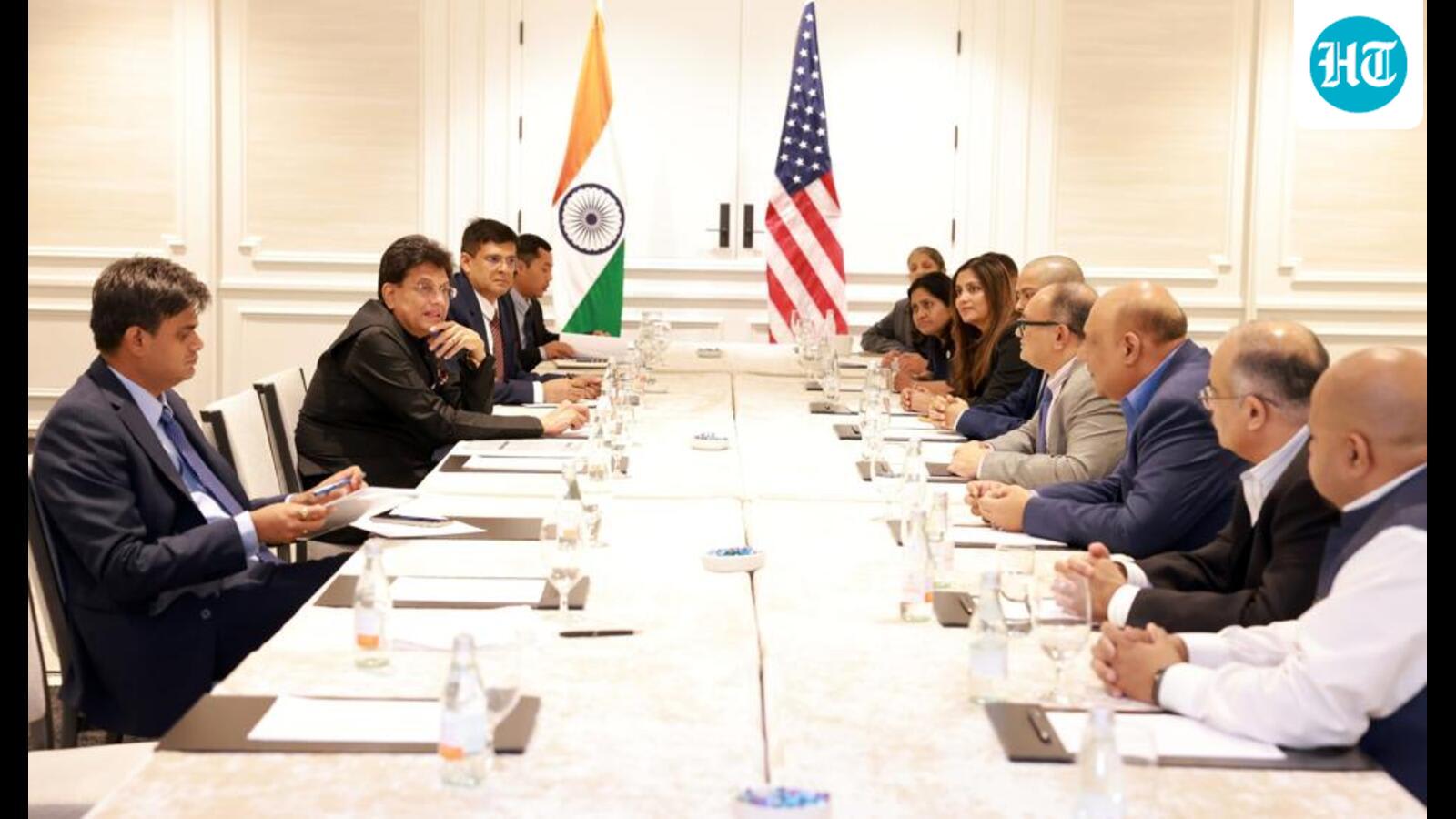
Indo-US relations face challenges under Donald Trump's administration due to tariffs on Russian oil imports and H1B visa restrictions. Despite these tensions, high-level diplomatic and defense dialogues remain active, signaling a resilient, albeit complex, strategic partnership.
The Complexity of the Indo-US Strategic Waltz
The current state of India-US relations is defined by a paradox: while high-level diplomatic, defense, and bureaucratic channels remain robust, the economic landscape is increasingly fraught with tension. Under Donald Trump’s second presidency, the United States has adopted a more assertive, often unilateral approach to foreign policy, which has tested the resilience of its strategic partnerships. For India, this period represents a delicate balancing act, as it seeks to maintain its sovereign interests—such as its energy security policy—while navigating the turbulent waters of American protectionism.
The Friction of Economic Policy
Central to the current strain are specific punitive measures imposed by the US, most notably the 25% tariff on Indian goods linked to the nation’s continued purchase of Russian oil. This move is perceived by many observers as a double standard, particularly given that the US has not applied similar measures to China. This inconsistency highlights a broader shift in Washington’s approach, where economic leverage is increasingly used as a tool to enforce geopolitical alignment, regardless of the historical complexities or energy requirements of its partners.
Visa Hurdles and Talent Mobility
Beyond trade tariffs, the targeting of H1B visas has introduced significant uncertainty for the Indian technology sector and the diaspora. The H1B program has long been a cornerstone of the bilateral relationship, fostering deep integration between the two economies. By tightening these regulations, the Trump administration is not only creating friction for Indian professionals but is also challenging the collaborative spirit that has defined the US-India tech corridor for decades.
Resilience Through Dialogue
Despite these economic headwinds, it is crucial to note that the foundations of the relationship remain intact. As evidenced by continued engagements at the levels of technocrats and defense personnel, both nations recognize that the strategic necessity of the partnership transcends individual policy disputes. The fact that the highest political leadership continues to communicate suggests that both New Delhi and Washington remain committed to a long-term, stable relationship, even when their immediate interests diverge.
The Path Toward Economic Prowess
For India, the current 'out-of-sync' dynamic serves as a stark reminder of the need to bolster its own long-term economic prowess. Relying on external trade dynamics is insufficient in a world where protectionist trends are accelerating. India’s trajectory must now focus on domestic industrial capability and diversifying its economic dependencies to insulate itself from the volatility of American trade policy. By strengthening its internal market and manufacturing base, India can engage with the US from a position of greater leverage.
Conclusion: A Future of Managed Turbulence
The Indo-US relationship is currently undergoing a stress test that will likely define the parameters of the partnership for the next decade. While the 'waltz' between the two nations is currently out-of-sync due to tariffs and visa policies, the underlying strategic alignment remains too vital to abandon. Moving forward, the relationship will likely be characterized by persistent 'managed turbulence,' where both nations continue to pursue their national interests while leaning on the institutional depth of their diplomatic and defense ties to prevent a total breakdown.
Verification Required?