Indonesia Earthquake Death Count Rises To 51, Around 5,000 Evacuated
Source Entity
NDTV News Search Records Found 1000
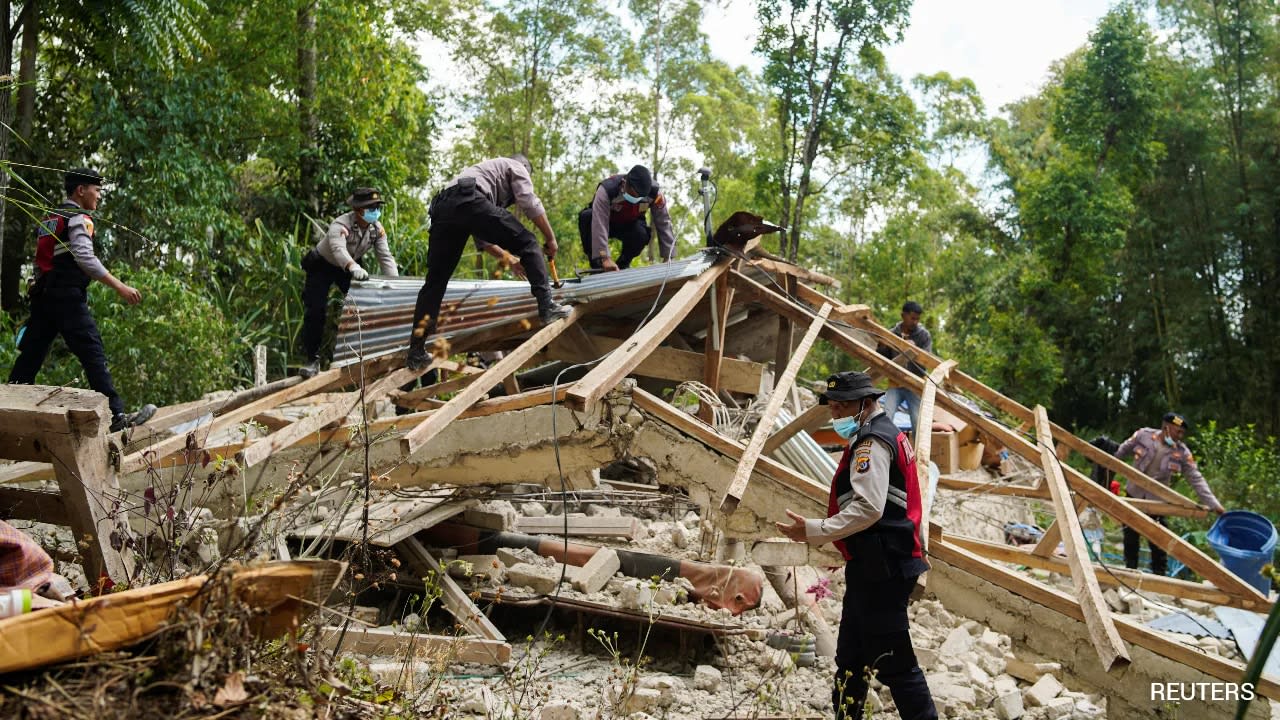
A magnitude-7.7 earthquake in Indonesia's Flores region has left 51 people dead and forced thousands to evacuate. Rescue efforts continue amid hundreds of aftershocks and significant destruction.
Devastation in Flores: An Analysis of the Recent Earthquake
The Impact of the Seismic Event
A powerful magnitude-7.7 earthquake struck the Flores region of eastern Indonesia, resulting in a tragic death toll of 51 individuals. The seismic event, which occurred at 5:58 a.m. local time, originated at a shallow depth of 10 kilometers. This proximity to the surface intensified the destructive power of the tremor, leading to widespread structural collapse and significant loss of life as residents were caught off guard early in the morning.
Displacement and Evacuation Efforts
The scale of the disaster has necessitated a massive humanitarian response. With thousands of people displaced, the logistical challenge of providing shelter and aid is immense. Notably, over 3,300 individuals in the Sikka region opted for self-evacuation, reflecting the widespread fear and uncertainty following the initial shock. These evacuations, coupled with official government efforts, highlight the urgent need for emergency infrastructure in the region.
The Threat of Aftershocks and Landslides
The situation remains volatile due to the occurrence of at least 235 aftershocks, which continue to threaten the stability of already damaged buildings and terrain. Rescue teams are currently navigating treacherous conditions, including debris from collapsed structures and landslides triggered by the initial quake. These landslides pose a persistent danger to both survivors and recovery personnel working across the six affected regencies on Flores.
Tsunami Preparedness and Public Safety
In the immediate aftermath of the 7.7-magnitude tremor, authorities issued tsunami warnings, prompting panic among the local population. While these warnings were eventually lifted, the psychological impact on the community is profound. This event underscores the critical importance of early warning systems and the need for public education regarding tsunami evacuation protocols in Indonesia's highly active seismic zones.
Long-term Recovery and Regional Stability
As rescue teams continue to dig through the rubble, the focus will gradually shift toward long-term recovery and reconstruction. The destruction of homes and infrastructure in the Flores region creates a significant economic and social burden. Future disaster management strategies will likely need to prioritize resilient building practices and enhanced community preparedness to mitigate the impact of the frequent seismic activity that characterizes this part of the Indonesian archipelago.
Conclusion
The earthquake in Flores serves as a stark reminder of the geological risks inherent to the region. With 51 lives lost and thousands displaced, the focus remains on the ongoing rescue operations and the stabilization of the affected areas. The resilience of the local communities, supported by coordinated emergency efforts, remains the primary defense against the continued threat posed by the region's intense seismic activity.
Verification Required?