Inflation fears on the rise as one-year outlook in Fed survey hits highest level since May 2023
Source Entity
US Top News and Analysis
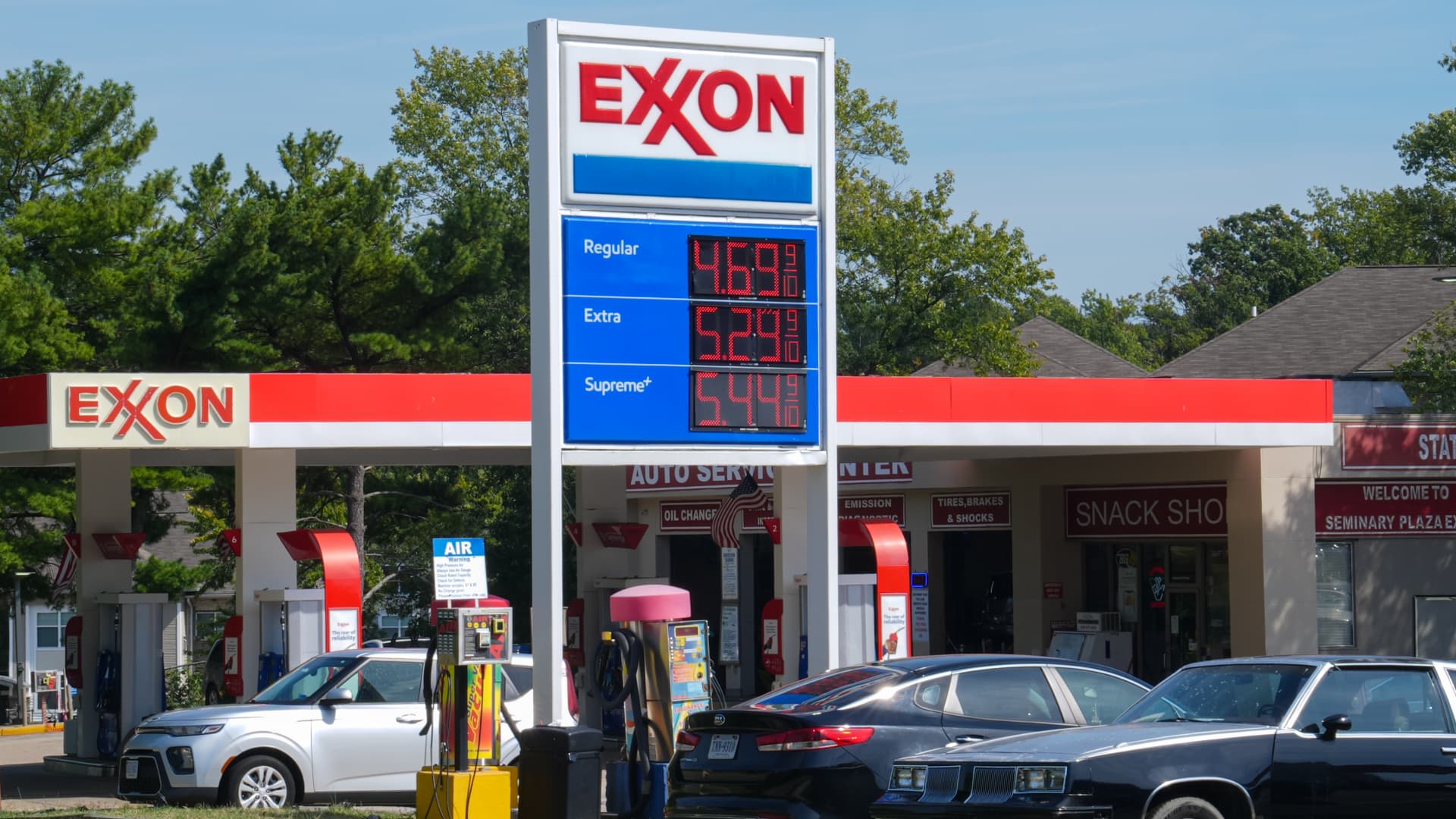
A recent New York Fed survey shows consumer inflation expectations rising to 3.9%, the highest since May 2023. Americans report growing financial pessimism as household spending growth projections also climb.
Rising Inflation Expectations: A New Economic Challenge
Recent data from the New York Federal Reserve’s Survey of Consumer Expectations signals a significant shift in public sentiment regarding the U.S. economy. For the first time since May 2023, the median one-year inflation outlook has climbed to 3.9%, reflecting a 0.3 percentage point increase from August. This uptick in inflationary fears is not merely a statistical anomaly; it underscores a deepening anxiety among American households as they confront the reality of persistent price volatility.
The Impact of Daily Costs on Sentiment
At the forefront of this concern are tangible, everyday expenses, exemplified by gas prices exceeding $4.70 per gallon in regions like Alexandria, Virginia. When essential costs rise, they act as a bellwether for broader economic health. The survey’s findings that household spending growth is expected to reach 5.5% suggest that consumers are bracing for higher outlays, not necessarily due to increased prosperity, but due to the necessity of meeting inflated costs for goods and services.
Assessing Financial Well-being
Beyond broad macroeconomic indicators, the survey highlights a deterioration in individual financial perceptions. A growing number of households report that their current financial situation is worse than it was a year ago, with a bleak outlook for the coming year. This psychological shift—where consumers expect their financial standing to weaken—can lead to a contraction in discretionary spending, potentially cooling economic growth in the long term.
Challenges for Monetary Policy
For Federal Reserve officials, these survey results arrive at a critical juncture. The central bank is currently tasked with balancing the need to curb inflation without triggering a recessionary environment. The fact that consumer expectations are rising suggests that inflation may be becoming 'entrenched' in the public consciousness. If individuals believe prices will continue to climb, they may adjust their behavior, which in turn can create a self-fulfilling cycle of price increases.
Historical Context and Future Implications
Comparing the current 3.9% outlook to the 4.1% seen in May 2023 provides necessary context. While we are not yet at the peak of previous inflationary spikes, the reversal of downward trends is a cause for concern. The Fed relies on these surveys to gauge the credibility of their monetary policy; if the public loses faith in the central bank’s ability to control inflation, the task of stabilizing the economy becomes exponentially more difficult.
Conclusion: Navigating a Period of Uncertainty
The data from the New York Fed serves as a stern reminder of the 'tough choices' ahead for both policymakers and families. As inflation fears reach their highest point in nearly three and a half years, the disconnect between official economic targets and the lived experience of the average American household remains a primary driver of financial pessimism. Future trends will likely depend on whether the Federal Reserve can effectively communicate its strategy and whether inflation begins to show signs of genuine, sustainable cooling.
Multiple Citing Sources