World news updates: Qatar denies detaining Iranian pilots, says it found remains of one
Source Entity
The Indian Express
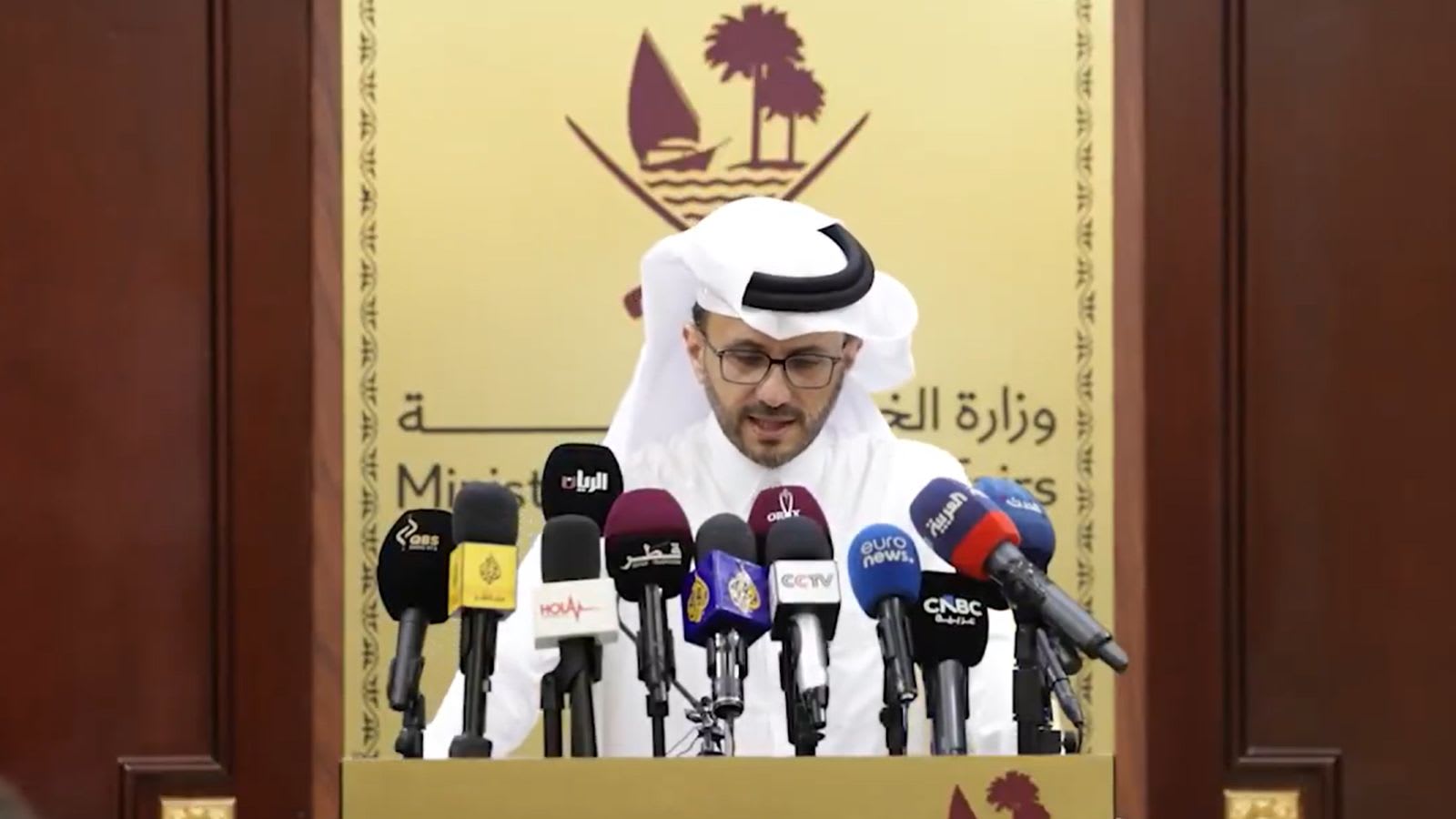
Iran has claimed that three of its pilots, previously reported missing after Su-24 crashes in Qatar, are being held captive by Qatari forces. This revelation coincides with the unveiling of a 'war trophy' vault displaying alleged U.S. and Israeli aircraft wreckage to bolster Tehran’s narrative of military success.
The Geopolitical Fallout of Iran's Missing Pilots
Recent reports from Tehran have shifted the narrative surrounding the fate of its military personnel following aerial engagements in Qatar. Iranian officials have identified three pilots—Javad Salehi, Abdolmajid Dashtian, and Omran Behraveshian—as survivors who were captured by Qatari forces after their Su-24 jets were downed. This claim directly challenges previous reports that these individuals were merely missing, introducing a new layer of diplomatic tension between Iran and U.S. allies in the Gulf.
The Timing of Tehran's Disclosure
The decision to reveal the alleged capture of these three pilots after months of silence raises significant questions regarding Tehran’s strategic communications. By claiming the pilots have been held incommunicado without family contact or consular access, Iran is likely attempting to exert diplomatic pressure on Qatar. This move appears designed to force a negotiation or public acknowledgment of the prisoners, potentially serving as a bargaining chip in the broader, volatile landscape of the U.S.-Israel war.
The 'War Trophy' Vault: A Narrative Strategy
Compounding these claims is Iran’s opening of an underground IRGC “war trophy” vault. The exhibition features wreckage purportedly recovered from 171 aerial vehicles, including American MQ-9 drones, Israeli Hermes-series UAVs, and even remnants of a U.S. F-15 allegedly destroyed during April 2026. By showcasing these items, Tehran is actively crafting a narrative of military triumph, intended to bolster domestic morale and present a formidable image of its integrated air defense capabilities to the international community.
Analyzing the Claims of Aerial Supremacy
While Tehran presents these exhibits as definitive proof of its success, military analysts remain cautious. The display of Starlink-linked communications equipment and diverse drone debris suggests an effort to document the technological nature of the 40-day conflict. However, the gap between the display of wreckage and the tactical reality of the engagements remains a point of contention. Iran is using these physical artifacts to substantiate its claims of striking manned and unmanned aircraft, attempting to reshape the perception of the conflict's outcome.
Broader Implications for Gulf Security
The convergence of the pilot detention claims and the display of downed aircraft wreckage signifies a hardening of Iran’s stance against U.S. allies. By publicly linking the fate of its pilots to the wreckage of U.S. and Israeli platforms, Iran is sending a provocative warning to regional actors. The situation suggests that the conflict, despite its periods of relative lull, remains deeply entrenched in a cycle of intelligence warfare and psychological posturing.
Future Trends and Diplomatic Hurdles
Looking forward, the demand for the release of the three pilots will likely become a central point of friction. If Iran continues to escalate its rhetoric surrounding these captives, it may force a response from Qatar and its international partners. The 'war trophy' vault serves as a permanent, physical reminder of the ongoing hostilities, ensuring that the memory of the April 2026 engagement remains a focal point in the regional power struggle, likely complicating any future efforts toward de-escalation or diplomatic normalization.
Multiple Citing Sources