'Trump Strait': US President shares Hormuz map, relabels key waterway amid Iran tensions
Source Entity
Latest News: Todays Latest News Headlines from India & World | Hindustan Times | Hindustan Times
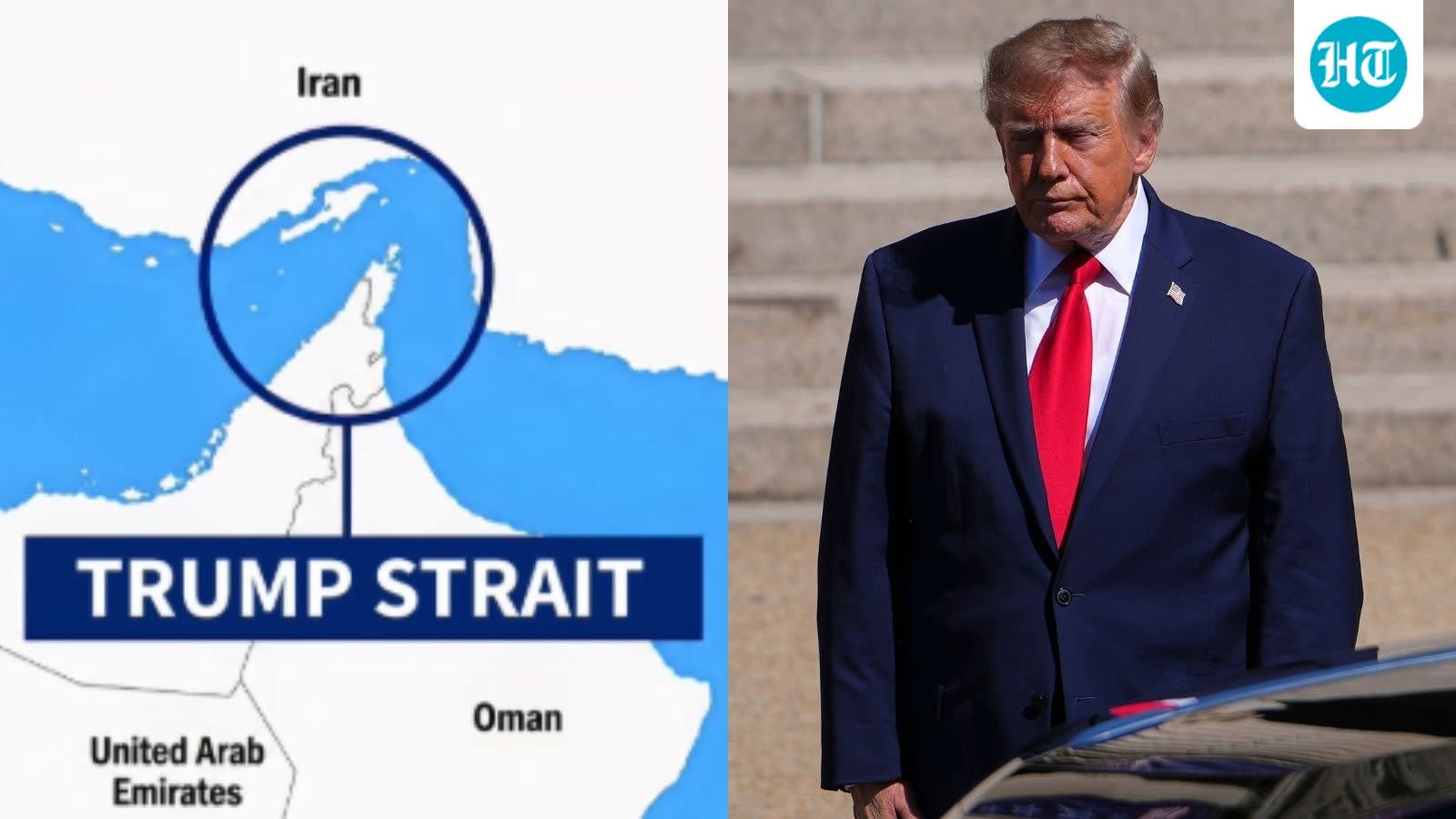
Iran has proposed a seven-day plan to reopen the Strait of Hormuz in exchange for lifting sanctions and a regional ceasefire. President Donald Trump has reportedly rejected the offer, signaling a potential escalation in hostilities following the upcoming US congressional elections.
The Strait of Hormuz: A High-Stakes Diplomatic Gambit
In a development that underscores the volatility of Middle Eastern geopolitics, Iran has formally presented a seven-day proposal to reopen the strategic Strait of Hormuz. Delivered via Qatari mediators during the United Nations General Assembly, this initiative, championed by Foreign Minister Abbas Araghchi, seeks to address the seven-month-old conflict that has severely disrupted global energy flows. The proposal hinges on a quid pro quo: Iran would restore maritime passage in exchange for the United States lifting its naval blockade, waiving oil sanctions, and committing to a broad regional ceasefire, including Lebanon.
The Mechanism of the Seven-Day Plan
The core of the Iranian proposal is a structured, seven-day countdown designed to de-escalate tensions rapidly. By leveraging the Strait of Hormuz—the world’s most critical maritime chokepoint for oil—Tehran is attempting to force a diplomatic breakthrough. The plan necessitates immediate concessions from Washington, specifically the cessation of naval pressure and economic relief. However, the proposal faces significant hurdles, as it mirrors the architecture of previous failed agreements, such as the June proposal, and is further complicated by the ongoing conflict in Yemen and internal Iranian political debates regarding the efficacy of diplomacy.
The US Response and the Shadow of Domestic Politics
Despite the potential for regional stabilization, the response from the United States has been dismissive. Reports, including those from The Wall Street Journal, suggest that President Donald Trump has rejected the proposal. This refusal is framed within the context of the American domestic political calendar, with reports indicating that the administration is preparing for a potential resumption of military strikes against Iranian territory following the November congressional elections.
Regional Implications and Strategic Uncertainty
The rejection of this proposal signals a hardening of positions on both sides. For Iran, the Strait remains its most potent bargaining tool in an asymmetrical conflict. For the United States, the decision reflects a preference for continued pressure over a negotiated settlement that might be perceived as a concession. The involvement of Qatar as a mediator highlights the ongoing effort by regional powers to prevent a wider conflagration, yet the divergence between Tehran’s terms and Washington’s strategic objectives remains vast.
Looking Ahead: The Post-Election Landscape
The immediate future of the Strait of Hormuz appears tethered to the outcome of the US midterm elections. With the reported intent of the Trump administration to resume bombing campaigns post-election, the window for diplomatic resolution is rapidly closing. The global energy markets remain highly sensitive to these developments, as any further disruption in the Strait would have profound consequences for international supply chains and economic stability. As it stands, the 'choice' mentioned by Araghchi has been met with a firm rejection, setting the stage for increased instability in the coming months.
Multiple Citing Sources
Verification Required?