Is the stock market open for Thanksgiving? The answer might surprise you.
Source Entity
Tomi Kilgore
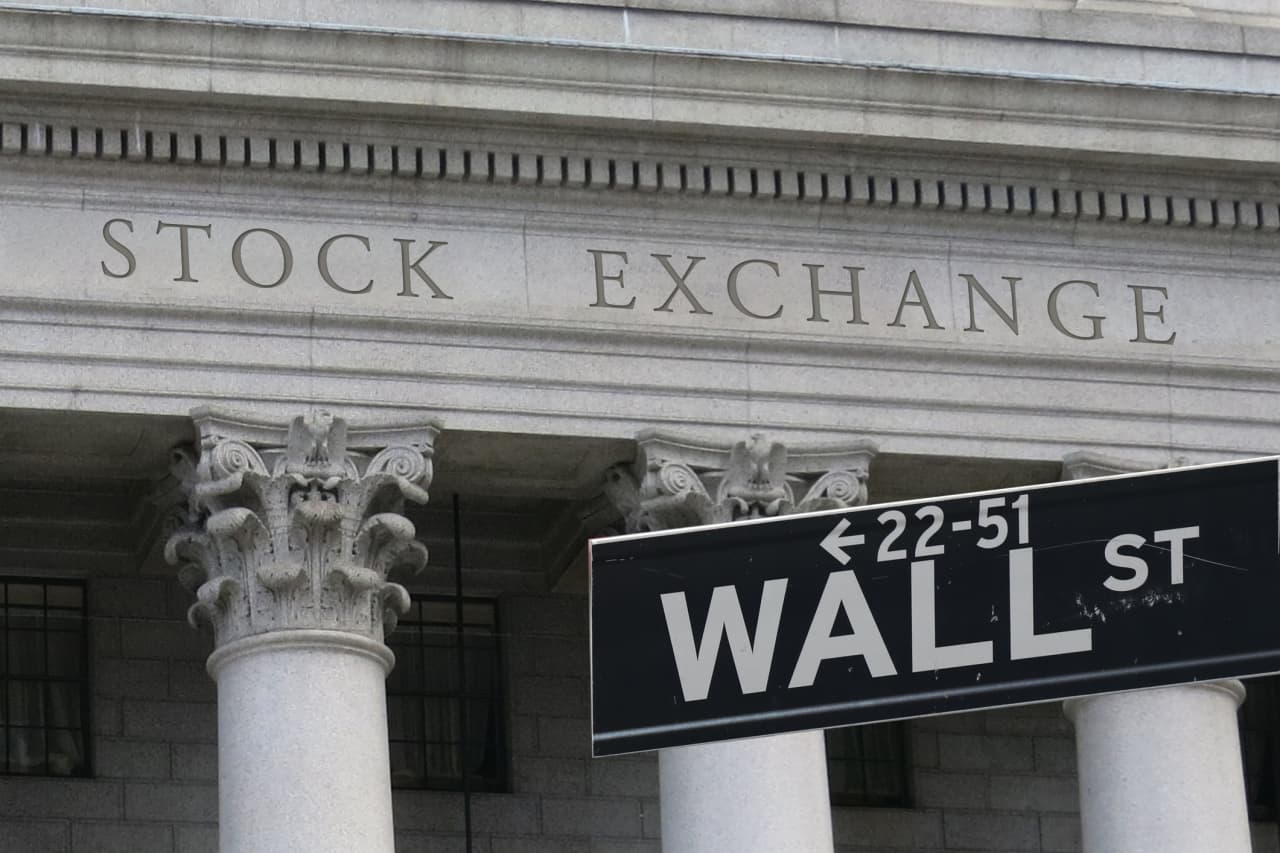
Major U.S. stock exchanges remain closed on Thanksgiving Day. However, equity futures continue to trade for a limited portion of the day.
Understanding Thanksgiving Market Operations
When investors ask whether the stock market is open on Thanksgiving, the answer requires nuance rather than a simple binary response. While the primary U.S. exchanges, such as the New York Stock Exchange (NYSE) and the Nasdaq, observe the holiday by ceasing all standard equity trading, the financial ecosystem does not come to a complete standstill. This distinction is vital for market participants who must navigate the difference between cash markets and derivative instruments.
The Distinction Between Exchanges and Futures
The closure of major equity exchanges is a standard practice mandated by the Securities Industry and Financial Markets Association (SIFMA) holiday calendar. During these closures, retail investors and institutional traders cannot execute standard buy or sell orders for individual stocks or exchange-traded funds (ETFs). However, the underlying infrastructure for equity futures remains partially operational, allowing for specific types of algorithmic and institutional trading to persist during the holiday window.
Why Futures Markets Operate Differently
Futures markets often operate on global schedules that prioritize continuous liquidity. Because these instruments are used for hedging and speculative purposes globally, they do not necessarily adhere to the same holiday constraints as domestic equity exchanges. Trading equity futures on a holiday provides a mechanism for global participants to adjust their exposure to U.S. economic sentiment despite the physical closure of trading floors in New York.
Strategic Implications for Traders
For the average investor, the holiday closure serves as a period of inactivity. However, for active traders, the partial operation of futures markets can lead to lower liquidity environments. This reduced participation often results in increased volatility if significant global news breaks while the primary exchanges are closed. Traders must be aware that while they cannot trade stocks directly, the indices themselves may still experience price fluctuations.
Broader Market Context and Future Trends
As financial technology continues to advance, the trend toward 24/7 market access remains a point of debate. While core equity markets remain anchored to traditional holiday schedules, the existence of futures trading during holidays highlights the market's shift toward globalized, continuous operation. Investors should continue to monitor SIFMA guidelines annually, as exchange holiday schedules are subject to change based on the specific day of the week on which a holiday falls.
Conclusion
In summary, while the stock market is officially closed on Thanksgiving, the financial world maintains a degree of connectivity through equity futures. Understanding this distinction is essential for any market participant seeking to manage risk during holiday periods. By recognizing that the market is not a singular entity but a composite of various trading platforms, investors can better navigate the complexities of holiday-shortened trading weeks.
Verification Required?