Threatened By Climate Change, World Leaders Demand UN To Work
Source Entity
NDTV News Search Records Found 1000
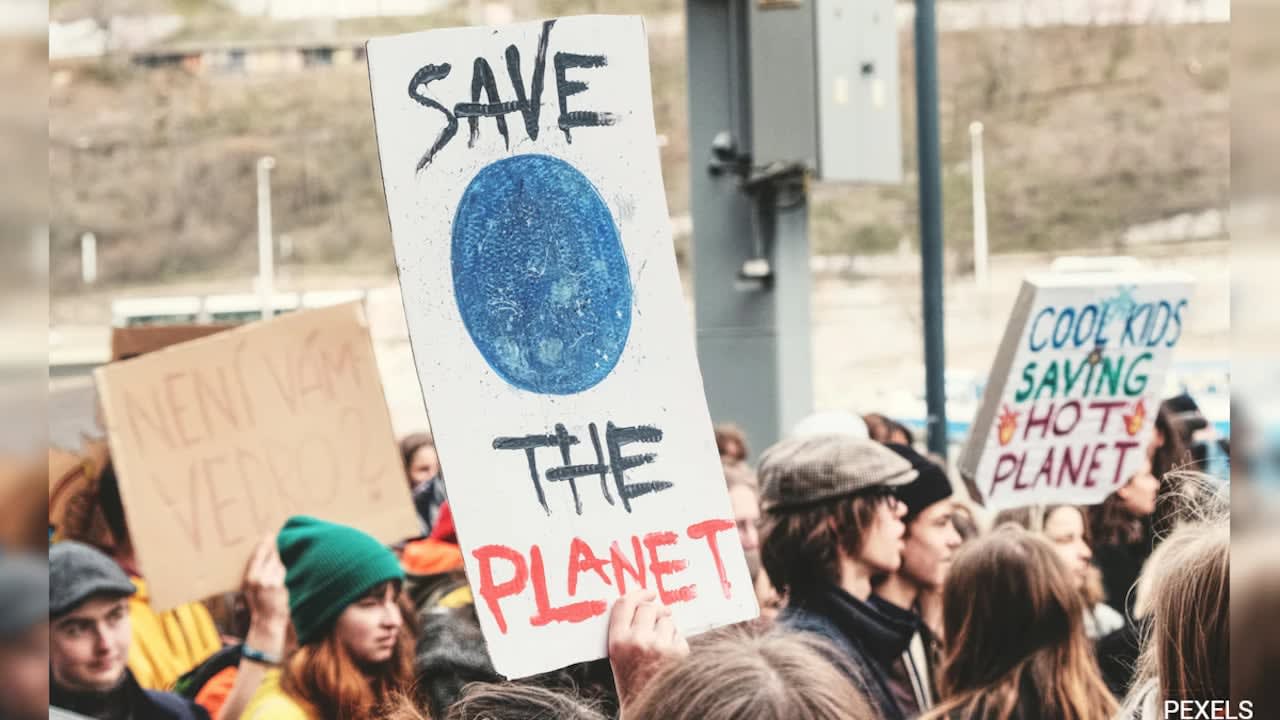
Island nations facing existential climate threats are calling for permanent representation on the UN Security Council. This move seeks to ensure these vulnerable states have a direct voice in global security and policy decisions.
The Call for Representation: Climate-Vulnerable Nations at the UN
An Existential Mandate
As global temperatures rise and sea levels threaten the very existence of low-lying island nations, these states are intensifying their diplomatic efforts to secure permanent representation on the United Nations Security Council (UNSC). This demand is not merely a request for bureaucratic inclusion; it is a desperate attempt to elevate climate change from a peripheral environmental issue to a core pillar of international security. For these nations, the climate crisis represents an immediate threat to their sovereignty, territorial integrity, and human rights, necessitating a seat at the table where the world's most critical security decisions are made.
Redefining Global Security
Historically, the UNSC has focused on traditional threats such as armed conflict, territorial disputes, and nuclear proliferation. However, the push by island nations challenges this narrow definition, arguing that climate change is a 'threat multiplier' that destabilizes regions, induces mass migration, and destroys economic foundations. By seeking permanent status, these nations intend to force the international community to recognize that environmental catastrophe is a security failure that requires the same level of oversight and intervention as conventional warfare.
The Geopolitical Impasse
The current structure of the Security Council, dominated by the five permanent members (P5) with veto power, has long been criticized for its rigidity and lack of representation for the Global South. The demand from island nations highlights a growing friction between the interests of major industrial powers—who are often the largest contributors to carbon emissions—and those nations suffering the most severe consequences. Securing a permanent seat would provide these vulnerable states with the leverage to hold major powers accountable, potentially shifting the discourse toward mandatory climate action rather than voluntary pledges.
Historical Context of Reform
Calls for UN reform are not new, but the urgency brought by climate change has added a unique layer of moral authority to the debate. While past reform efforts have often stalled due to geopolitical rivalries, the climate crisis creates a rare convergence of interests where even larger nations may eventually find it difficult to ignore the plight of the most exposed. The integration of climate-vulnerable states into the UNSC could signal a transition toward a more inclusive multilateral system that prioritizes human security over traditional power dynamics.
Future Trends and Implications
Looking ahead, the diplomatic trajectory of these island nations will likely influence broader international law. If they succeed in gaining permanent representation, it could set a precedent for other marginalized groups to demand institutional reform. Conversely, if their demands continue to be sidelined, it may lead to a loss of faith in the UN system, prompting these nations to seek alternative, regional, or informal alliances to protect their interests. The outcome of this struggle will be a litmus test for the UN's relevance in a rapidly changing world where environmental stability is increasingly synonymous with global peace.
Verification Required?