Israeli drone strike in Gaza kills 6 people, including 9-year-old girl, say health officials
Source Entity
Latest News: Today's Latest News Headlines from India & World | Hindustan Times | Hindustan Times
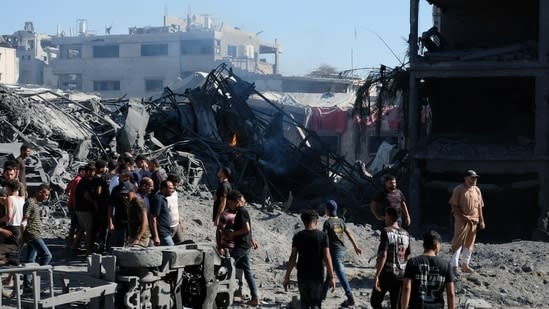
The Israeli military acknowledged striking the area, saying it targeted “terrorist infrastructure,” without elaborating
Analysis of Israeli Drone Strike and Civilian Casualties in Gaza
Overview of the Incident
Recent reports from health officials in Gaza indicate a tragic escalation in the ongoing conflict, where an Israeli drone strike has resulted in the deaths of six individuals. Among the casualties was a 9-year-old girl, highlighting the devastating impact of aerial warfare on non-combatants. This incident underscores the recurring pattern of high-precision weaponry resulting in collateral damage within densely populated urban environments. The reporting of these casualties by local health officials provides a stark contrast to the operational narratives provided by military forces.
The Military Justification and Strategic Context
The Israeli military has acknowledged the strike, asserting that the operation was specifically designed to target "terrorist infrastructure." However, the lack of further elaboration on the nature of this infrastructure—whether it was a command center, a weapons cache, or a specific individual—creates a vacuum of information that often leads to conflicting narratives. In the context of asymmetric warfare, the use of drones is intended to minimize risk to the attacking force, but as this event demonstrates, the proximity of military targets to civilian dwellings often leads to catastrophic outcomes for the local population.
Humanitarian Implications and the Protection of Children
The death of a 9-year-old girl in this strike brings the issue of civilian protection under international humanitarian law to the forefront. The principle of proportionality requires that the anticipated military advantage of an attack must outweigh the potential harm to civilians. When children are killed in strikes targeting "infrastructure," it raises critical questions regarding the intelligence used to authorize the strike and the safeguards in place to prevent civilian loss. This event contributes to a growing humanitarian crisis where the psychological and physical toll on the youth of Gaza becomes a central point of international concern.
The Role of Drone Warfare in Urban Conflict
This incident reflects a broader trend in modern warfare: the reliance on Unmanned Aerial Vehicles (UAVs) for surgical strikes in urban settings. While drones are marketed as precision tools, the reality of "collateral damage" suggests that precision is often compromised by the complexity of urban geography. The reliance on remote sensing and intelligence can lead to errors in target identification or a failure to account for the presence of civilians in the immediate vicinity of a target. This specific strike serves as a case study in the limitations of remote warfare when applied to high-density civilian areas.
Diplomatic and International Repercussions
Events such as the killing of children in drone strikes often serve as catalysts for increased international pressure on military operations. Such incidents typically fuel diplomatic tensions and complicate ceasefire negotiations, as the loss of civilian life becomes a primary demand for cessation of hostilities. The international community's reaction to this specific event is likely to mirror previous outcry over civilian casualties, further isolating the military strategy of targeting infrastructure within residential zones and increasing the calls for independent investigations into the legality of such strikes.
Conclusion and Future Outlook
In summary, the Israeli drone strike that killed six people, including a young child, illustrates the volatile intersection of military objectives and civilian safety. While the IDF maintains its focus on dismantling terrorist infrastructure, the human cost remains high. Moving forward, the trend suggests that unless there is a fundamental shift in the rules of engagement or a significant improvement in the verification of targets, similar tragedies will continue to occur. The tension between the perceived necessity of these strikes and the moral imperative to protect innocent lives remains the central conflict of this campaign.
Verification Required?