After seven-month hiatus, ISRO to launch key satellite on September 4
Source Entity
Anonna Dutt
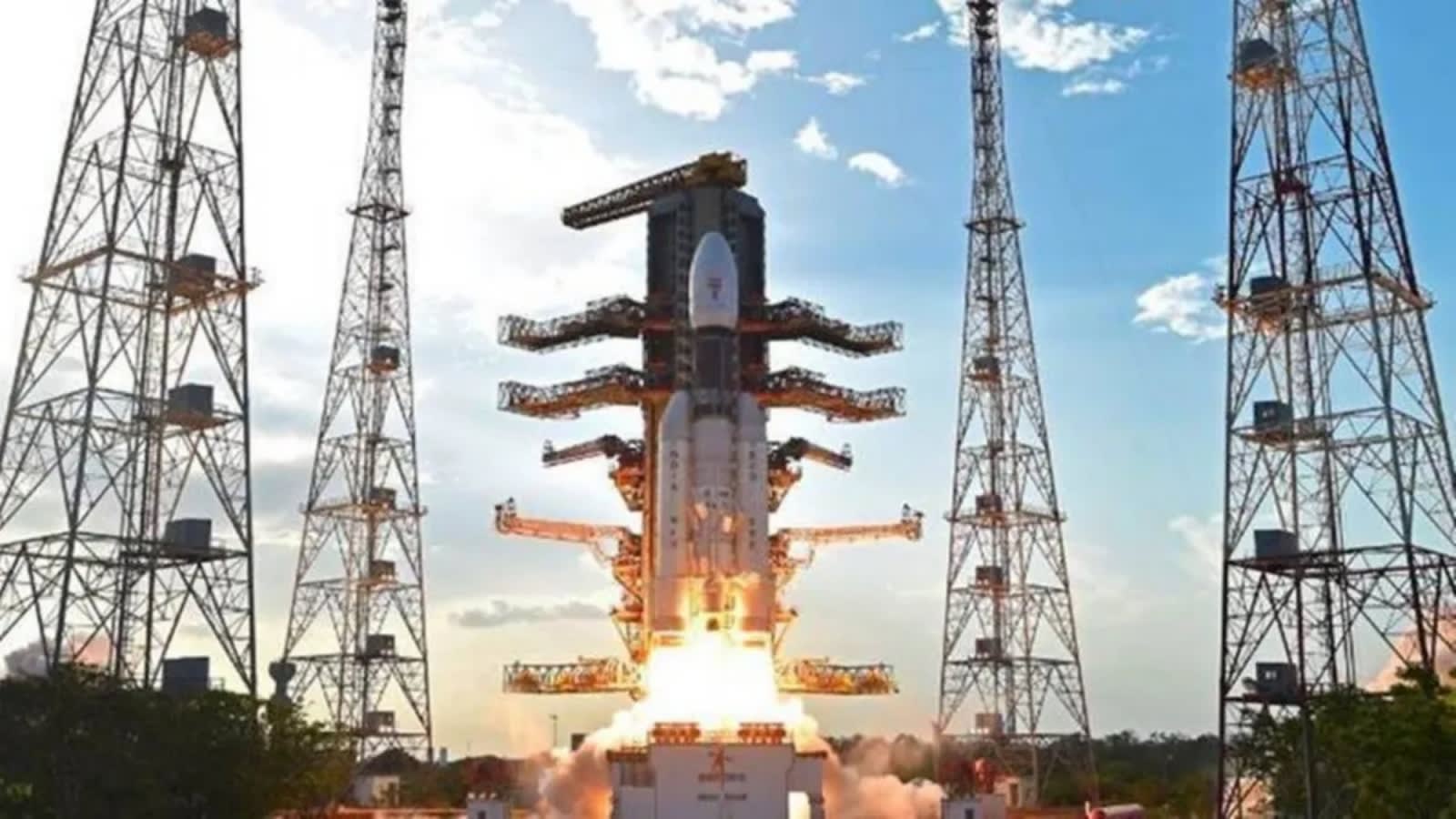
ISRO is set to resume its launch schedule on September 4 with the deployment of the EOS-05 satellite via the GSLV F17 rocket. This mission ends a seven-month hiatus following the unsuccessful PSLV-C62 mission in January.
ISRO Returns to Flight: Resuming India's Space Ambitions
After a significant seven-month operational pause, the Indian Space Research Organisation (ISRO) has officially announced the upcoming launch of the EOS-05 earth observation satellite. Scheduled for September 4 at 02:55 am from the Satish Dhawan Space Centre in Sriharikota, this mission utilizes the GSLV F17 vehicle. This event marks a critical turning point for the agency, which has remained largely grounded since the January 12 failure of the PSLV-C62/EOS-N1 mission.
Analyzing the Operational Hiatus
The gap in launch activity is a notable departure from ISRO’s historically high cadence. The failure of the PSLV-C62 mission, which was intended to place an earth observation satellite into orbit, necessitated a comprehensive internal review of the launch vehicle's systems. Such pauses are standard protocol within the aerospace industry, where safety and reliability are prioritized over aggressive schedules. By taking the time to recalibrate, ISRO aims to ensure the success of the GSLV F17 mission and restore confidence in its launch capabilities.
The Role of EOS-05 (GISAT-1A)
The EOS-05, formerly known as GISAT-1A, represents a sophisticated asset in India's earth observation fleet. Under the agency's revised nomenclature system, these satellites are integral to national infrastructure, providing critical data for meteorology, disaster management, and agricultural planning. The deployment of EOS-05 via the GSLV platform indicates that ISRO is relying on its heavy-lift capability to ensure the satellite reaches its intended geostationary orbit with precision.
Strategic Implications and Future Roadmap
Looking beyond the September 4 launch, the space agency has already signaled a robust roadmap for the remainder of the year. Reports indicate that the NVS-03 satellite, currently stationed at the spaceport, is slated for a November launch. This suggests that ISRO is moving toward a more structured, sequential launch cadence designed to clear the backlog created by the earlier mission failure. The successful execution of these upcoming flights will be essential for maintaining India's competitive edge in the global space sector.
Conclusion: A Path Toward Resurgence
The resumption of activities on September 4 is more than just a scheduled flight; it is a demonstration of institutional resilience. By successfully transitioning from the setback of the PSLV-C62 mission to the upcoming GSLV F17 operation, ISRO is proving its capacity for rigorous technical troubleshooting and long-term planning. As the agency gears up for the NVS-03 mission later this year, the focus remains on restoring the momentum required to meet India's ambitious space exploration and satellite deployment goals.