Jagtar Singh Hawara Could Be Out Of Jail Soon: Group After Meeting Bhagwant Mann
Source Entity
NDTV News Search Records Found 1000
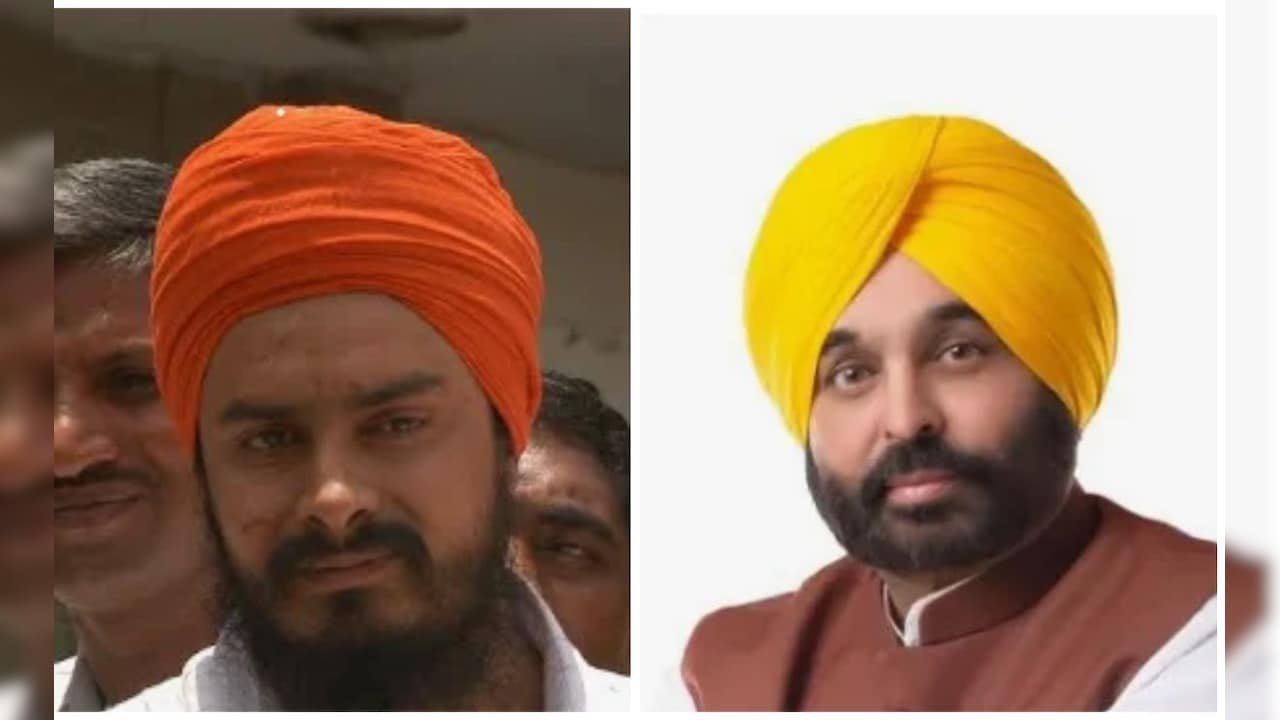
Punjab CM Bhagwant Mann is engaging with Sikh groups regarding the release of long-term prisoners, including Jagtar Singh Hawara. Meanwhile, the Supreme Court is reviewing Hawara's plea for a transfer from Tihar jail to Punjab, contingent on security assessments.
The Complex Legal and Political Dynamics of the Hawara Case
The Intersection of Governance and Public Protest
The case of Jagtar Singh Hawara, convicted for the 1995 assassination of former Punjab Chief Minister Beant Singh, has re-emerged as a focal point of political discourse in Punjab. Following a meeting between Chief Minister Bhagwant Mann and the Qaumi Insaaf Morcha—a collective that has been protesting on the Mohali-Chandigarh border since January 2023—the state government has reaffirmed its commitment to pursuing all legal and constitutional avenues to address the release of long-term Sikh prisoners. This development underscores the delicate balance the current administration must maintain between adhering to judicial mandates and responding to the persistent demands of advocacy groups.
Challenges in Securing Parole and Transfer
Despite the Punjab government's stated assurances to the Centre and the Governor regarding the maintenance of law and order, the process of securing parole for Hawara remains stalled. Chief Minister Mann has publicly expressed regret that parole has not been granted, noting that the final decision rests with the central government. These administrative hurdles highlight the jurisdictional complexities involved when state-level political promises encounter the oversight of federal security and intelligence agencies, especially concerning individuals convicted of high-profile acts of political violence.
Judicial Scrutiny and Security Concerns
Parallel to the state-level negotiations, the legal battle is unfolding within the Supreme Court of India. A bench comprising Justices M.M. Sundresh and P.B. Varale is currently presiding over Hawara’s plea to be transferred from Delhi's Tihar Jail to a prison within Punjab. The court has directed the Delhi government to obtain inputs from the Intelligence Bureau (IB), reflecting the sensitivity of the case. The court’s cautious stance is rooted in the state’s security concerns, particularly given Hawara’s history of jailbreaks and the serious nature of his conviction as a member of the Babbar Khalsa.
Evaluating the Risks and Legal Precedents
As the Supreme Court weighs the transfer request, it must balance the fundamental rights of the convict against the broader security implications for the state of Punjab. The Additional Solicitor General, representing the Delhi government, has highlighted Hawara’s past involvement in a jailbreak, which serves as a critical factor in the judiciary's hesitation. The court has explicitly stated that it is not in a position to disregard the advice of the government in such high-stakes, sensitive matters, suggesting that the final decision will rely heavily on intelligence assessments rather than purely humanitarian arguments.
Future Implications for Punjab’s Stability
The ongoing protests by the Qaumi Insaaf Morcha and the government's continued dialogue with these organizations signal a long-term struggle over the legacy of the 1990s insurgency. Whether Hawara remains in Tihar or is transferred to Punjab, the decision will likely have significant ramifications for the political climate in the region. The state government’s attempt to navigate these demands while complying with Supreme Court directives will continue to be a litmus test for its ability to manage both public sentiment and national security obligations.
Verification Required?