Power failure hits Jaipur centres again, AIIMS CRE exam cancelled
Source Entity
ANUJA JAISWAL
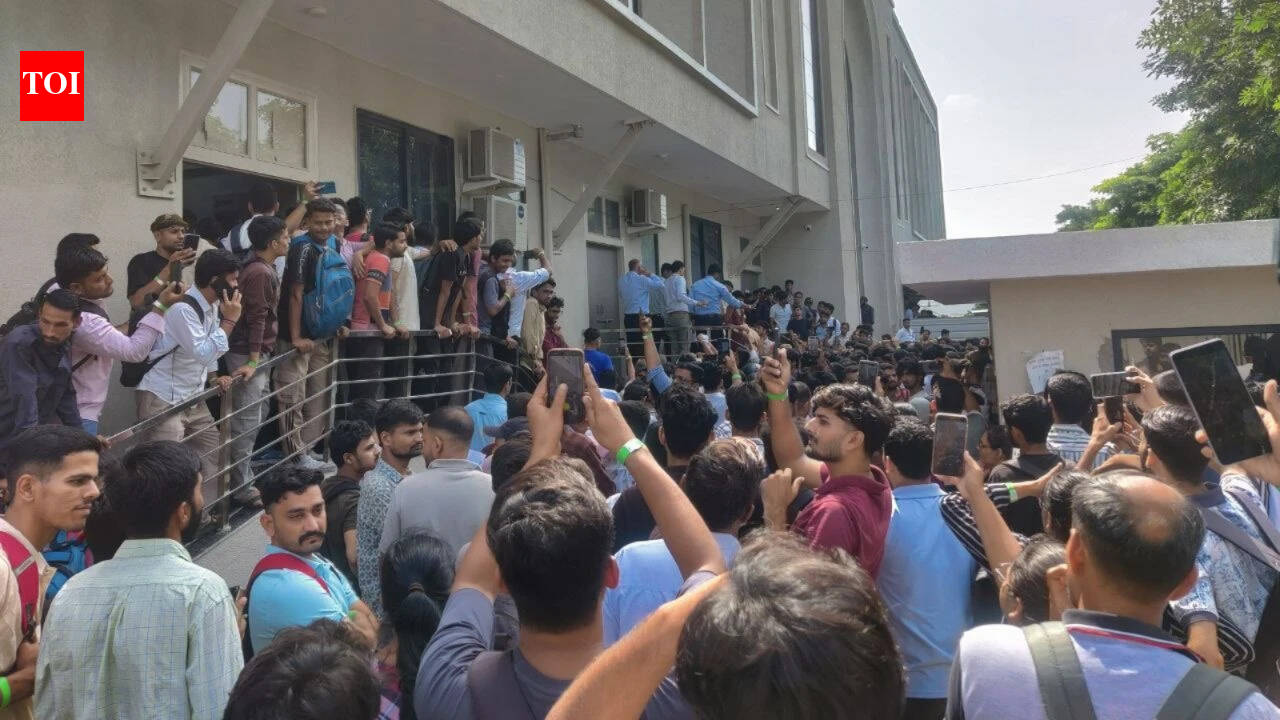
Two consecutive high-stakes medical examinations in Jaipur were disrupted by power failures at the same TCS iON centre, leading to exam cancellations. Authorities are investigating the recurring electrical issues while rescheduling affected candidates.
Infrastructure Fragility: The Jaipur Examination Crisis
Recent events in Jaipur have cast a spotlight on the precarious nature of India's large-scale digital examination infrastructure. Over two consecutive days, the iON Digital Zone (iDZ) in the Sitapura locality experienced critical power failures, severely disrupting the administration of both the NEET-PG 2026 and the AIIMS Common Recruitment Examination (CRE). These back-to-back incidents at the same facility have transformed a localized technical glitch into a significant national concern regarding the reliability of computer-based testing (CBT) environments.
The Sequence of Disruptions
The crisis began on Sunday, August 29, 2026, when power failures at the Sitapura centre interrupted the NEET-PG 2026 examination. Despite the National Board of Examinations in Medical Sciences (NBEMS) reporting a successful conduct for the majority of the 2.65 lakh candidates nationwide, the localized failure in Jaipur necessitated a re-exam for 2,445 candidates, scheduled for September 5. The situation escalated on Monday, August 30, when the AIIMS CRE faced identical power disruptions at the same venue, forcing AIIMS to cancel the session entirely and move the re-examination to September 7.
Accountability and Technical Explanations
TCS iON, the entity operating the Sitapura facility, has officially attributed the failures to "unknown local electrical issues." While the company maintains that these are isolated incidents tied to the specific infrastructure at that location, the repetition of the event within 24 hours suggests a failure in redundant power systems. Such systems are designed to provide seamless transitions in the event of grid instability; their failure to trigger effectively during two of the country's most high-stakes professional examinations raises urgent questions about the maintenance and stress-testing protocols of these digital zones.
Broader Implications for National Testing
These events underscore the immense pressure placed on India’s examination framework. With millions of students appearing for national-level assessments annually, the reliance on third-party digital infrastructure is absolute. When a single centre fails, it does not merely affect a few hundred candidates; it ripples through the entire national schedule, necessitating complex logistical restructuring, increased financial costs, and the psychological burden on students who have spent months preparing for these career-defining tests.
Regulatory Response and Future Outlook
In response, the Ministry of Health and Family Welfare has established a three-member committee to probe the incidents. This oversight is a critical step in restoring confidence in the examination process. Moving forward, it is likely that the government will demand stricter certification for power backup systems at all designated iDZ locations. For future trends, we can expect a shift toward more rigorous audits of the physical infrastructure of testing centres, moving beyond software security to ensure that the fundamental utilities—electricity and connectivity—are as robust as the encryption securing the test papers themselves.