Indian diplomat's reaction to Pakistani PM's ‘victory’ claim after Operation Sindoor goes viral | Watch video
Source Entity
Latest News: Todays Latest News Headlines from India & World | Hindustan Times | Hindustan Times
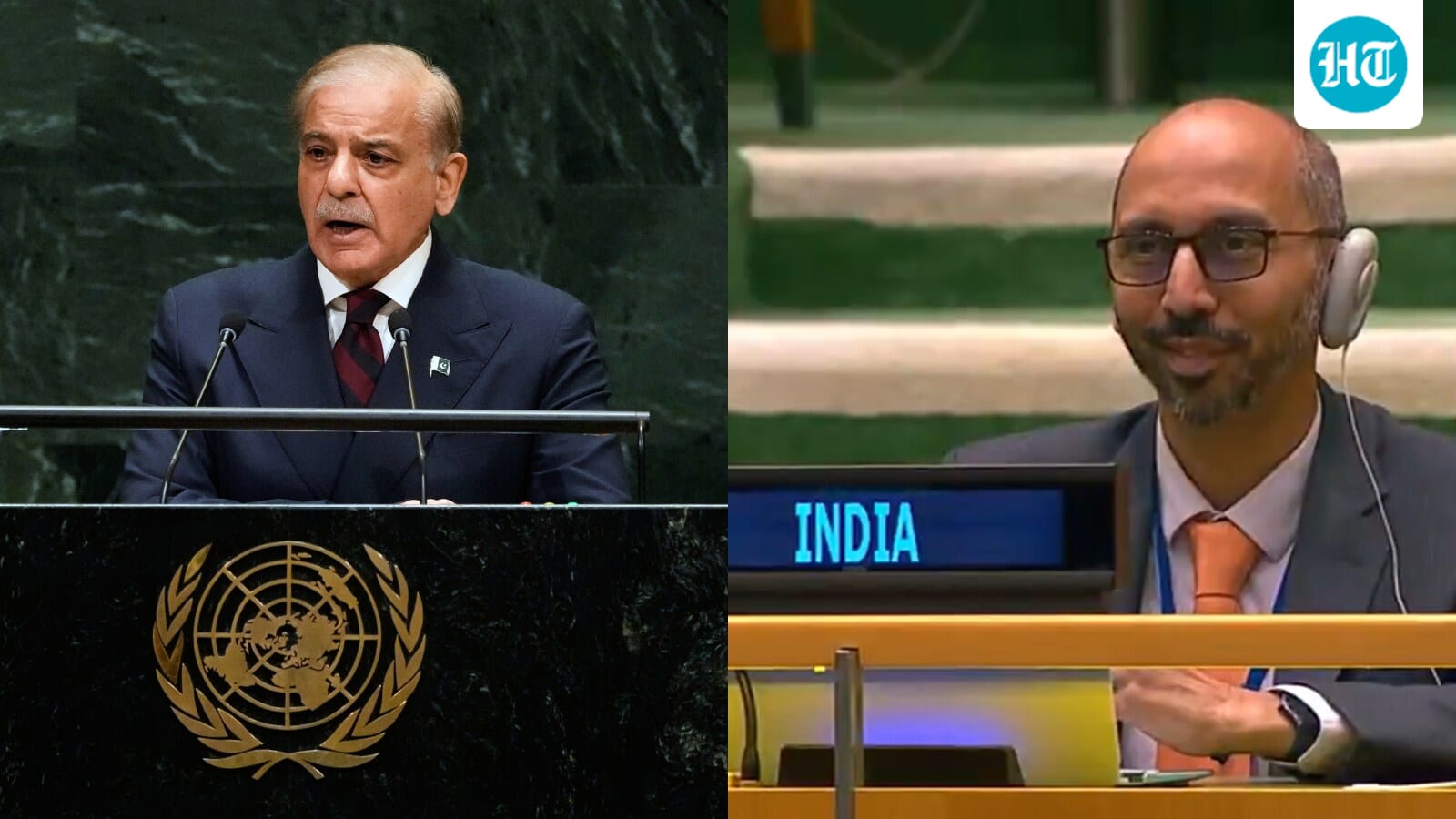
External Affairs Minister S. Jaishankar gave a sharp rebuke to a Pakistani journalist at the UN, labeling Pakistan a 'terrorist country' after being questioned about terrorism. The exchange occurred during a briefing focused on maritime security and the safety of global shipping routes.
Diplomatic Tensions at the UN: Jaishankar’s Sharp Rebuttal
During a recent press briefing at the United Nations headquarters in New York, Indian External Affairs Minister S. Jaishankar delivered a blunt and widely noted response to a Pakistani journalist. The interaction occurred following a joint session between Jaishankar and the Foreign Minister of Liberia, Sara Beysolow Nyanti, where the two leaders had convened to discuss the launch of a new 'Group of Friends' initiative dedicated to the safety and security of global shipping and seafarers.
The Context of the Exchange
The incident was sparked when a Pakistani journalist interrupted the proceedings with a provocative inquiry, accusing the Indian government of sponsoring terrorism within Pakistan and raising questions regarding a Sikh leader in New York. Minister Jaishankar, known for his direct and often assertive diplomatic style, immediately dismissed the premise of the question. His retort—"A terrorist country is asking me that question? Come on"—served as a definitive rejection of the journalist's framing of India's foreign policy.
Broader Geopolitical Implications
This verbal confrontation highlights the deeply entrenched diplomatic friction between New Delhi and Islamabad. By labeling Pakistan a "terrorist country" on the global stage of the United Nations, Jaishankar effectively signaled India's refusal to engage with narratives that equate India’s security operations with the activities of state-sponsored non-state actors. This rhetoric reflects India's long-standing policy of isolating Pakistan internationally regarding its alleged support for militant groups.
Maritime Security and Global Priorities
Beyond the political sparring, the event was intended to address critical global infrastructure challenges. Minister Jaishankar emphasized that attacks on commercial shipping in vital waterways, such as the Strait of Hormuz and the Gulf of Oman, have transitioned from isolated incidents to recurring security threats. By focusing on the safety of seafarers, India aims to position itself as a responsible stakeholder in global maritime security, contrasting this stability-focused agenda with the regional volatility often associated with India-Pakistan relations.
Future Trends in Indo-Pak Diplomacy
Looking forward, this exchange suggests that India is unlikely to soften its stance on Pakistan at international forums. The use of such sharp language by a senior minister indicates a strategic shift toward calling out perceived provocations in real-time rather than relying on traditional, muted diplomatic protocols. As these maritime routes become increasingly central to global trade, India will likely continue to use its UN presence to balance its role as a global security partner while maintaining a firm line against accusations from its neighbor.
Conclusion
The incident serves as a microcosm of the current state of South Asian diplomacy. While the primary objective of the UN briefing was to foster international cooperation on maritime safety, the persistence of historical grievances ensured that the spotlight shifted toward the ongoing rivalry between India and Pakistan. Minister Jaishankar’s firm response ensures that the narrative remains centered on India's rejection of Pakistan's diplomatic assertions, reinforcing the status quo of high-tension relations between the two nuclear-armed neighbors.
Multiple Citing Sources
Verification Required?