DMK says police arrested ‘Gem Granites’ Veermani because of court direction
Source Entity
India Latest News: Top National Headlines Today & Breaking News | The Hindu
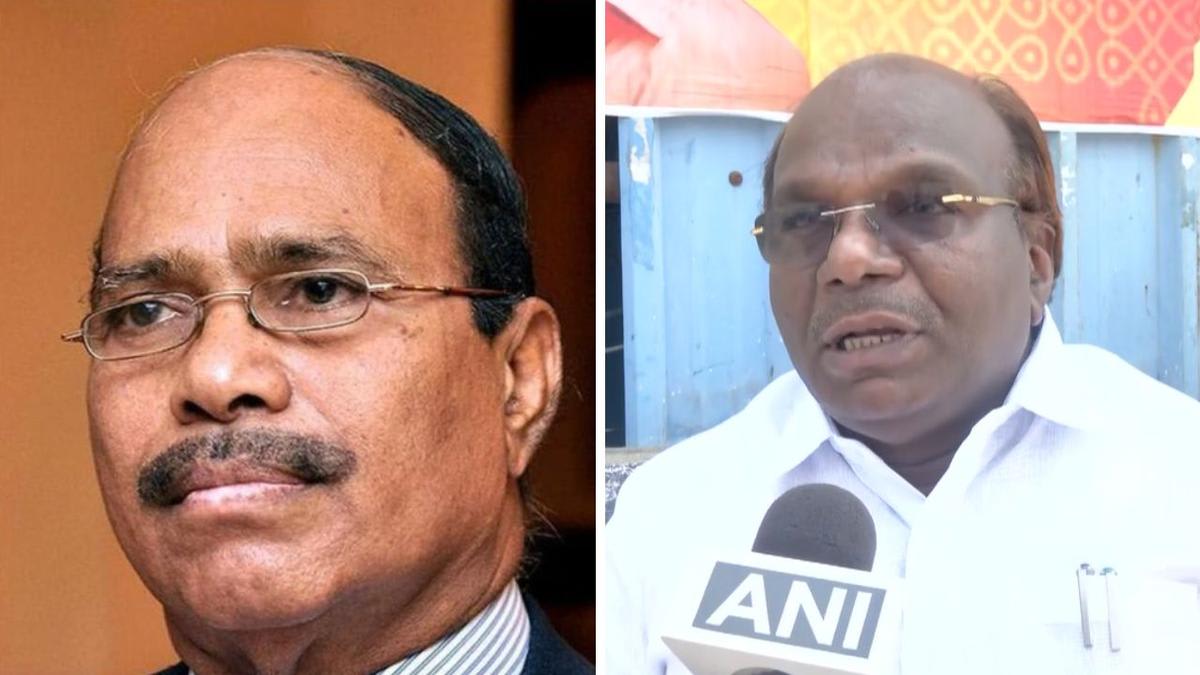
Tamil Nadu Chief Minister C. Joseph Vijay and opposition parties are trading accusations over the handling of a POCSO case against industrialist R. Veeramani. While Vijay blames the DMK for past cover-ups, the DMK and AIADMK claim the current government only acted under judicial pressure.
Political Turmoil in Tamil Nadu: The Gem Granites POCSO Controversy
The Allegations of Political Complicity
The political landscape of Tamil Nadu has been shaken by the ongoing controversy surrounding the arrest of R. Veeramani, the owner of Gem Granites, under the Protection of Children from Sexual Offences (POCSO) Act. During a high-stakes campaign meeting in the Madurantakam (SC) constituency, Tamilaga Vettri Kazhagam (TVK) president and Chief Minister C. Joseph Vijay leveled serious allegations against the Dravida Munnetra Kazhagam (DMK). He accused the former ruling party of orchestrating a cover-up regarding the case, despite the initial registration occurring during their tenure. Vijay’s rhetoric highlights a growing trend of using legal accountability as a primary weapon in the ongoing assembly byelection cycle.
Judicial Intervention vs. Executive Action
The narrative took a sharp turn when DMK Rajya Sabha MP Constantine Ravindran provided a counter-narrative, asserting that the arrest on August 27, 2026, was not a result of proactive police work by the TVK government, but a consequence of direct judicial intervention. According to Ravindran, the jurisdictional court expressed severe displeasure on August 25 regarding the lack of progress in the case. This claim is bolstered by the fact that the DMK has formally approached the Election Commission of India, accusing the Chief Minister of disseminating untruths to gain electoral leverage in the Madurantakam byelection.
The AIADMK Position: A Three-Way Conflict
Adding to the complexity, the AIADMK, led by Edappadi K. Palaniswami, has positioned itself as a critic of both the current TVK government and the previous DMK administration. Palaniswami challenged Chief Minister Vijay’s account, arguing that the government had actually attempted to shield the accused by seeking multiple adjournments and even filing a 'further action dropped' report. This places the TVK government in a defensive position, struggling to reconcile its image as a crusader against child abuse with reports of procedural delays.
Broader Implications for Governance
This intense public debate underscores the critical role of the POCSO Act in Indian political discourse. By centering the campaign around the safety of young girls, all three major parties are tapping into deep-seated public concerns regarding child protection and corporate accountability. However, the mutual accusations of 'shielding' the accused suggest that legal cases of this magnitude are becoming inextricably linked to the state's political survival and the optics of governance.
Future Trends and Accountability
As the byelection in Madurantakam approaches, the controversy is likely to intensify. The public is now forced to parse through contradictory claims regarding which administration—past or present—has been more complicit in delaying justice. Moving forward, the efficacy of the judicial system in overcoming executive interference will be the deciding factor in whether the victims of this case receive true justice or if the matter remains permanently mired in partisan warfare. The demand for transparency, as voiced by the Chief Minister, will likely become a benchmark against which the voters evaluate the integrity of the state’s investigative agencies.
Multiple Citing Sources
Verification Required?