Day after, injured back at Jantar Mantar protest site: ‘Weak in body, not in resolve’
Source Entity
Tabshir Shams, Drishti Jain, Vidheesha Kuntamalla
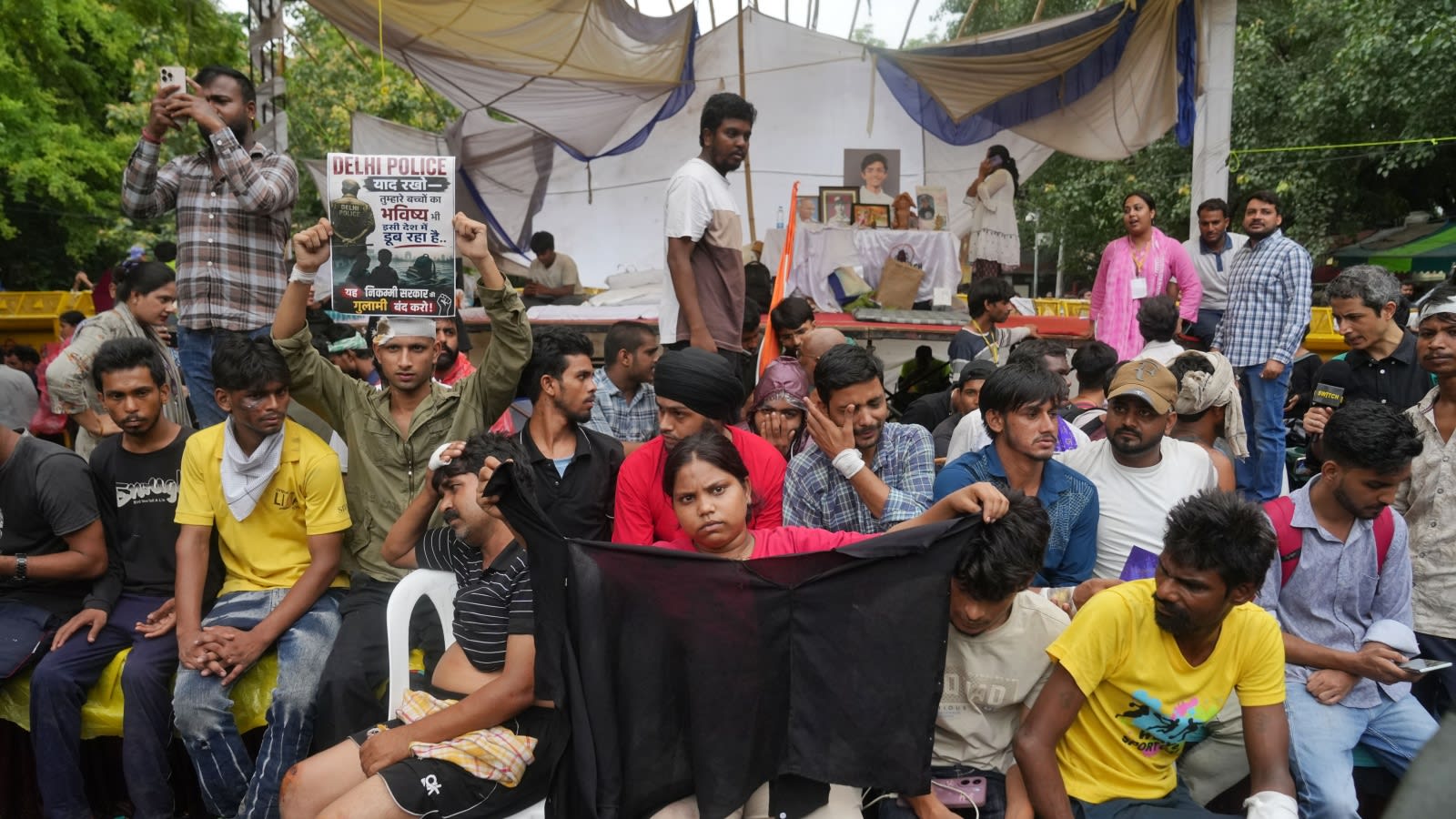
Protestors at Delhi's Jantar Mantar are receiving support through food deliveries from strangers nationwide amid the NEET-UG 2026 paper leak demonstrations. Despite injuries and police crackdowns, volunteers and protestors maintain the site with resilience and organized civic efforts.
Resilience at Jantar Mantar: Food, Hygiene, and Resolve
A Digital Wave of Solidarity
The recent demonstrations at Delhi’s Jantar Mantar, organized by the Cockroach Janta Party (CJP) regarding the NEET-UG 2026 paper leak, have transcended physical boundaries through digital solidarity. Viral videos have captured a unique phenomenon: internet users from across India, including cities as far as Mumbai, are utilizing food delivery platforms like Zomato and Swiggy to send meals to protestors. This intersection of modern gig-economy infrastructure and grassroots activism highlights a new era of remote participation in civic movements.
The Human Element in Logistics
One particularly poignant instance involved a delivery partner braving heavy rain to reach the protest site, acting as a bridge between a concerned citizen in Mumbai and students in Delhi. This act of service underscores the dedication of gig workers who are often the unsung facilitators of such logistical chains. By delivering food during inclement weather, these workers have become inadvertent participants in the protest, illustrating how digital platforms are increasingly being leveraged to sustain long-term sit-ins.
Civic Duty Amidst Chaos
Beyond the influx of food, the protest site has seen a remarkable display of self-governance and civic responsibility. Volunteers like Suhail Khan and Pramod Pal have taken it upon themselves to maintain sanitation, even clearing clogged drains with their bare hands. Their sentiment—that a protest site deserves the same respect as a place of worship—reflects a deep-seated commitment to maintaining the dignity of their cause, ensuring that the movement remains organized and hygienic despite the challenging outdoor conditions.
The Cost of Protest: Injury and Return
The resolve of the protestors remains unshaken even in the face of significant physical adversity. Following a police crackdown during the march to Parliament, many individuals—including teachers, students, and shop owners—returned to the site while still nursing injuries. The presence of makeshift relief areas and the return of individuals like Ajit Singh, who rejoined the protest directly from the hospital, demonstrate a high level of psychological fortitude.
Future Trends in Activism
This movement suggests a shift in how Indian protests are sustained. The combination of decentralized crowdfunding for meals and the emergence of volunteer-led site maintenance indicates that movements are becoming more resilient to state pressure and logistical exhaustion. As these protests continue, the ability of organizers to maintain public support through digital channels while managing the physical welfare of participants will likely serve as a blueprint for future student-led or cause-based activism in India.
Conclusion: A Collective Effort
The situation at Jantar Mantar is a testament to the power of collective action. From the stranger in Mumbai ordering a meal to the volunteer clearing a drain in Delhi, the protest is being sustained by a web of interconnected, individual contributions. This multi-layered support system ensures that even when protestors are physically weakened, their collective resolve remains intact.
Multiple Citing Sources