Japan’s corporate leaders sound alarm over weak yen — even dollar-earners are voicing concerns
Source Entity
US Top News and Analysis
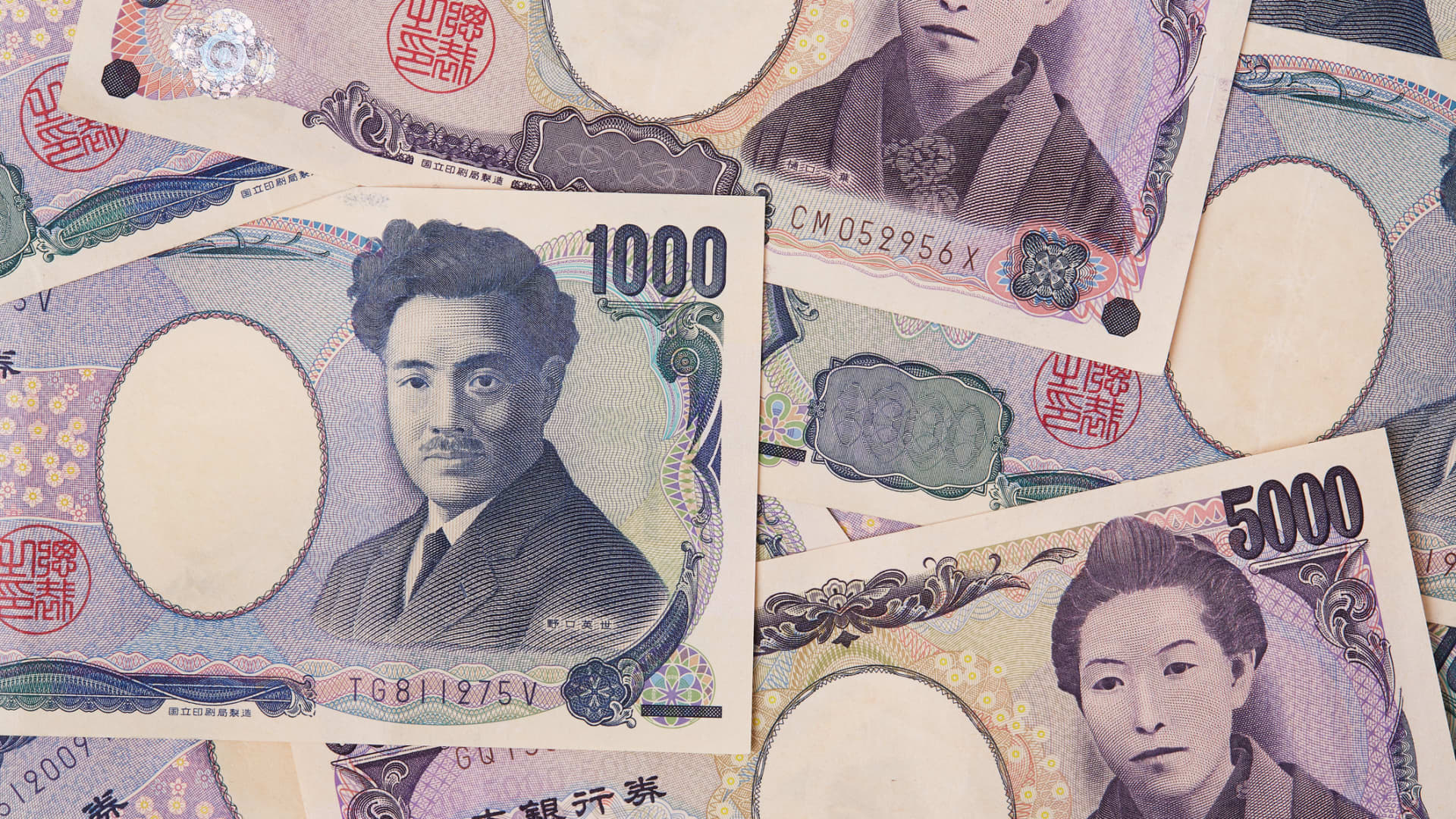
Japanese corporate leaders are expressing concern over the yen's volatility, arguing it hinders long-term strategic planning. Despite recent gains, firms like Kawasaki are signaling potential shifts in manufacturing back to Japan if currency conditions stabilize.
The Yen's Volatility: A Strategic Headache for Japanese Industry
For decades, Japanese exporters relied on a weaker yen to bolster international competitiveness and inflate overseas earnings. However, the current economic landscape has shifted the narrative. Japanese corporate leaders are now sounding the alarm, signaling that the extreme volatility and historical weakness of the yen have become a liability rather than an asset. Even companies that traditionally benefit from dollar-denominated revenue are finding that the unpredictability of currency markets makes long-term capital investment and operational planning nearly impossible.
The Strategic Cost of Currency Instability
Yoshinori Kanehana, chairman of Kawasaki Heavy Industries, recently highlighted the core dilemma facing Japan's industrial giants. Speaking at the Gastech conference, Kanehana identified currency fluctuation as the "biggest problem" for corporate strategy. When the yen swings wildly, businesses cannot accurately forecast costs or set pricing, leading to an environment of uncertainty that stifles growth. For a company like Kawasaki, which manages a complex web of 27 overseas production sites and 17 domestic facilities, such instability disrupts the efficiency of its global supply chain.
The Case for Reshoring Manufacturing
Perhaps the most significant revelation from these corporate voices is the potential for a large-scale shift in manufacturing strategy. Kanehana explicitly stated that if the yen strengthens—specifically mentioning a potential move if the currency remains near the 150 mark—Kawasaki would consider relocating production from the United States back to Japan. This potential "reshoring" trend marks a departure from the offshoring strategies that defined the late 20th and early 21st centuries, suggesting that currency stability is now viewed as more valuable than the cost-saving benefits of foreign production.
Political Shifts and Market Reactions
The recent rally in the yen, driven by expectations of more fiscally responsible policies following Prime Minister Takaichi's election, underscores the deep connection between political governance and currency valuation. As investors bet on a more disciplined fiscal approach, the yen has experienced a rapid strengthening over the past two weeks. While this recovery is welcomed by some, it highlights how sensitive the Japanese market has become to the interplay between government policy and central bank intervention.
Broader Economic Implications
The broader implications of this trend are substantial for the global economy. If Japan’s largest manufacturers begin to move production home to hedge against currency volatility, it could lead to a significant realignment of global trade patterns and industrial footprints. While a stronger yen might alleviate domestic inflationary pressures, it simultaneously forces companies to rethink their global reliance on foreign manufacturing hubs, potentially leading to a more localized, albeit potentially more expensive, production model.
Conclusion
Ultimately, the current discourse among Japan’s corporate elite reflects a fundamental change in priorities. The era of prioritizing a weak yen for export volume is being challenged by the need for operational predictability. As Japan navigates a post-election political environment, the focus remains on whether the government can deliver the fiscal stability required to keep industrial leaders from abandoning their international manufacturing commitments in favor of domestic security.