Lens on Cambridge after Black professor's death amid scrutiny of his credentials
Source Entity
TNN
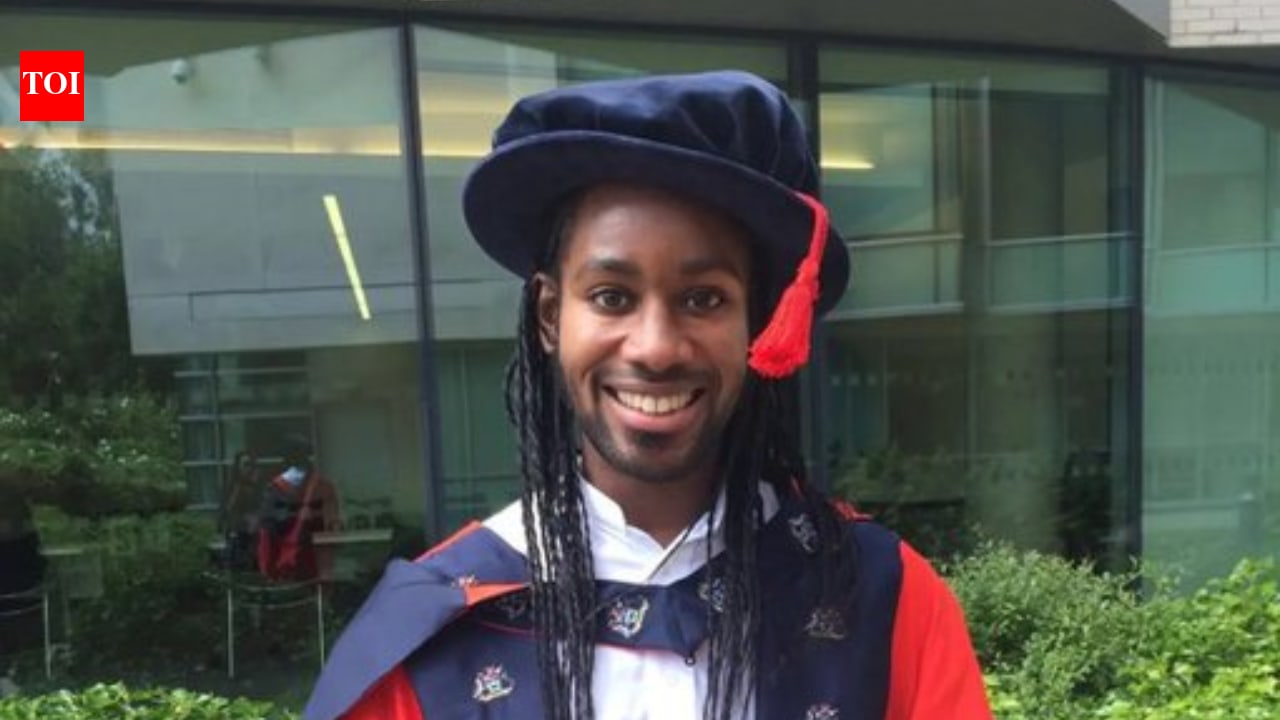
The death of former Cambridge professor Jason Arday has sparked a major debate on academic integrity and institutional responsibility. Following allegations of plagiarism and a subsequent resignation, his family and supporters have highlighted the damaging impact of intense public scrutiny.
The Tragic Passing of Jason Arday and the Crisis of Academic Oversight
The sudden death of Jason Arday, a 41-year-old former professor of the sociology of education at the University of Cambridge, has sent shockwaves through the British academic community. Found dead at an address in Battersea, London, Arday's passing occurred amidst a period of intense public and professional turmoil. His resignation followed a series of allegations regarding plagiarism and questions surrounding the validity of his academic achievements, which he had consistently denied. The controversy surrounding his career has now become a focal point for a broader discussion on institutional responsibility, the nature of academic vetting, and the human cost of public scrutiny.
The Impact of Public and Internal Scrutiny
The circumstances leading to Arday's resignation were marked by what his family has described as a "campaign of misinformation," asserting that the pressure became insurmountable. This sentiment was echoed by those who attended a recent vigil in Cambridge, where more than 200 mourners gathered to remember his life and influence. During the event, colleagues and students were urged to share their grief and reflect on the positive impact Arday had on those around him, highlighting the dissonance between the public allegations and the personal experiences of his peers.
Systemic Failures in Academic Appointments
Sir James Cleverly, who spoke on the matter, has directed sharp criticism toward the university establishment. He argued that the situation might have been avoided had institutions conducted more robust due diligence during the appointment process. Cleverly posited that universities often prioritize optics—using individuals for "bragging rights" based on their age or ethnicity—rather than focusing solely on the rigorous validation of talent and credentials. This critique suggests a systemic failure where the desire for diversity or prestige outpaces the necessity for thorough academic vetting.
The Fragility of Academic Reputation
The rapid elevation of Arday’s career, followed by the sudden intensity of external scrutiny, created a volatile environment. Cleverly noted that because Arday was "lifted so high so quickly," his reputation was particularly vulnerable when the allegations emerged. This phenomenon highlights the inherent risks in modern academic culture, where high-profile appointments can become lightning rods for both institutional pride and public skepticism. The fallout from these events has left a deep scar on the academic community, raising questions about how universities protect their faculty while maintaining the highest standards of integrity.
Moving Forward: Accountability and Support
As the academic world processes this loss, the focus is shifting toward the necessity of reform. The call for a more standardized and rigorous approach to vetting senior academic appointments is growing, as is the need for institutions to provide better support structures for those navigating high-pressure public roles. The death of Professor Arday serves as a tragic reminder that the pursuit of institutional excellence must not come at the expense of the well-being of the individuals who represent those institutions. The legacy of this event will likely influence future policies regarding transparency and the ethical treatment of academics under investigation.
Multiple Citing Sources