Top U.S. commander acknowledges mental health issues on USS Lincoln
Source Entity
US Top News and Analysis
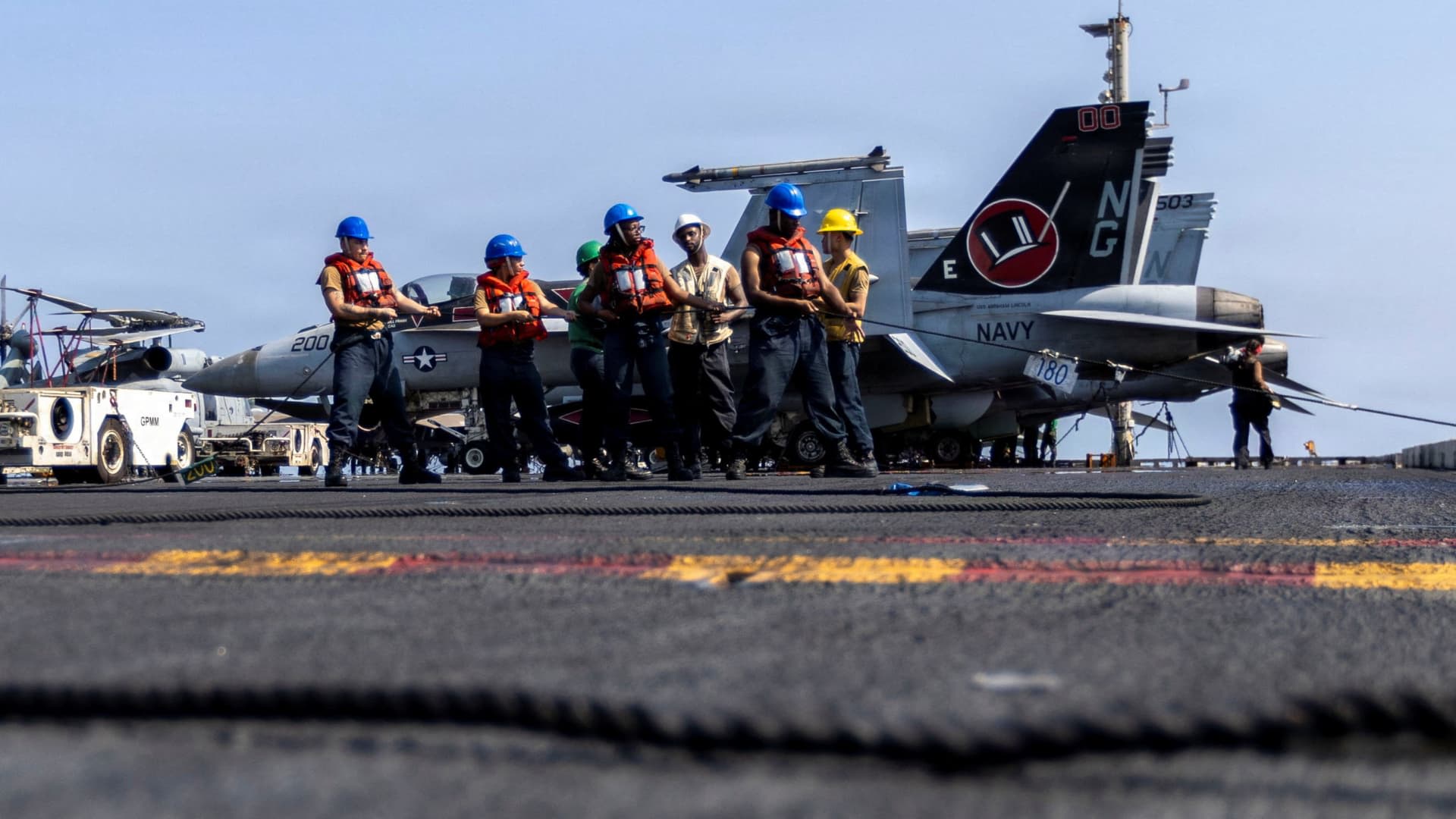
U.S. Central Command chief Admiral Brad Cooper visited the USS Abraham Lincoln following reports of severe morale issues and suicide attempts after 260 days at sea. While Cooper defended the ship's mental health statistics, the deployment highlights the immense strain on naval personnel during prolonged operations.
The Crisis Aboard the USS Abraham Lincoln
The recent visit by U.S. Central Command chief Admiral Brad Cooper to the USS Abraham Lincoln in the Arabian Sea underscores a growing crisis regarding the sustainability of long-term naval deployments. Having spent over 260 days at sea without a break, the carrier has become the epicenter of a public debate concerning the physical and psychological toll of modern military operations. Reports of food shortages, flagging morale, and alarming incidents—including reported suicide attempts and sailors going overboard—have drawn significant scrutiny to the conditions under which these crews operate.
Leadership Response and Mental Health Claims
Admiral Cooper’s visit was a direct response to these mounting concerns. In a statement issued via X, Cooper attempted to contextualize the situation by comparing the Lincoln’s mental health metrics to the rest of the U.S. Navy’s 11 active aircraft carriers. By asserting that the Lincoln maintains among the lowest number of mental health-related cases, the Admiral sought to provide a statistical counter-narrative to the negative reports. However, this defense has done little to silence critics who argue that the sheer duration of the deployment constitutes a systemic failure in crew welfare management.
The Operational Strain of Extended Deployment
The USS Abraham Lincoln’s deployment, marked by its involvement in Operation Epic Fury, highlights the immense pressure placed on the U.S. Navy to maintain a persistent presence in volatile regions. Maintaining an aircraft carrier at sea for nearly nine months puts unprecedented stress on both the machinery and the human element. The logistical challenge of providing adequate provisions and mental health support over such an extended period is a recurring issue that experts suggest may compromise overall mission readiness.
Strategic Implications and Power Projection
The debate surrounding the Lincoln also intersects with broader geopolitical tensions. As the U.S. maintains its presence in the Arabian Sea, the movement of other assets—such as the redeployment of the USS George Washington from the Pacific—suggests a strategic shuffle to manage limited resources. With China’s increasing assertiveness in territorial disputes, the U.S. Navy faces the difficult task of balancing the need for global power projection with the operational necessity of rotating tired crews and maintaining aging platforms.
Future Trends in Naval Welfare
Looking forward, this episode serves as a critical case study for the Department of Defense regarding the limits of human endurance in high-stakes environments. The controversy is likely to force a re-evaluation of deployment cycles and the adequacy of mental health resources provided during active duty. As the Navy continues to rely on its carrier strike groups as the primary instrument of U.S. foreign policy, the integration of sustainable personnel management will become just as vital as the technological superiority of the ships themselves. Ensuring that the "human weapon system" is not pushed to the breaking point will be the defining challenge for naval leadership in the coming decade.