Calls for public inquiry into Jason Arday 'witchhunt'
Source Entity
BBC News
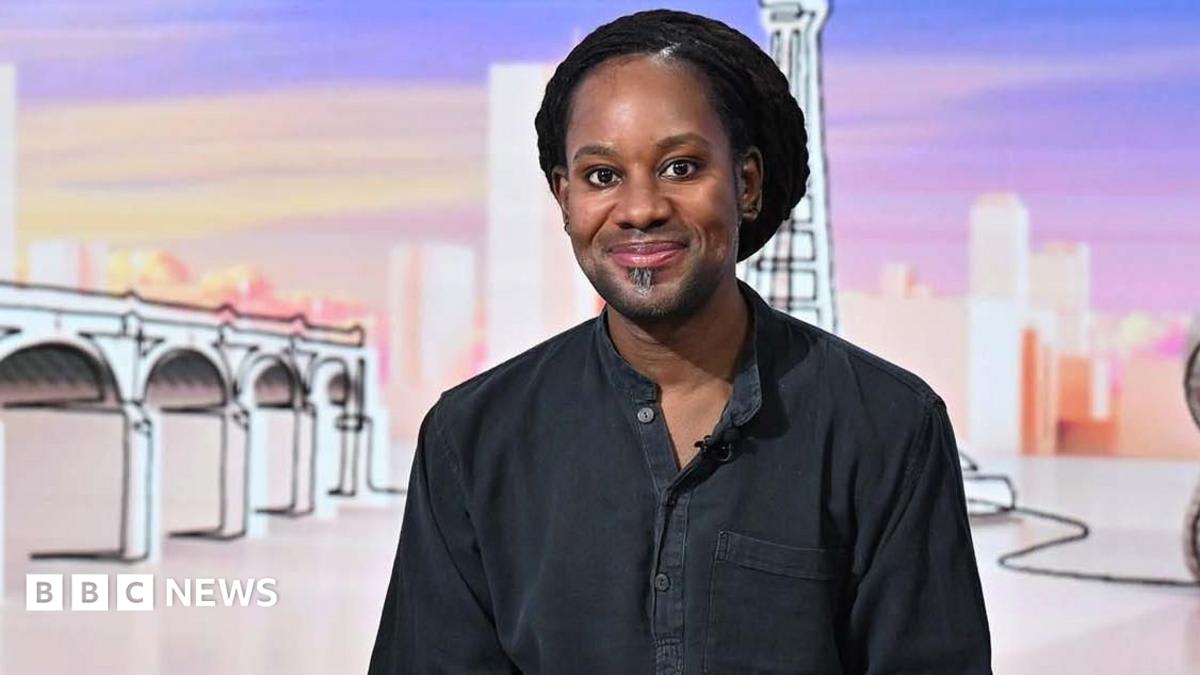
High-profile figures are demanding a public inquiry into media practices following the death of former Cambridge professor Jason Arday. The calls follow intense scrutiny over allegations of plagiarism, which Arday had denied and which were cleared by his awarding institution.
The Tragic Case of Jason Arday and the Call for Press Accountability
A Sudden Loss and a Growing Controversy
The academic community and public sphere are reeling following the death of Jason Arday, the 41-year-old former professor of sociology of education at the University of Cambridge. Arday, who had recently resigned from his post on August 5 amidst a firestorm of controversy regarding allegations of plagiarism and the veracity of his professional achievements, was found dead in Battersea, south London. His passing has triggered a profound shift in the narrative, moving from a debate over academic integrity to a heated discourse regarding the conduct of the press.
The 'Witchhunt' Allegations
Lord Simon Woolley has been a central figure in challenging the media narrative surrounding Arday, explicitly stating that the academic had been "hounded" and pursued relentlessly. This sentiment has gained significant traction, leading to a formal call for an "immediate public inquiry into how to ensure a responsible press." The involvement of a diverse coalition of high-profile signatories—including Green Party leader Zack Polanski, Labour MPs Bell Ribeiro-Addy, Clive Lewis, and Nadia Whittome, alongside public figures like Eni Aluko and Carol Vorderman—underscores the gravity with which these stakeholders view the impact of media scrutiny on personal mental health and professional standing.
Institutional Vindications and Conflicts
A critical component of this discourse is the factual record regarding the plagiarism allegations. While the controversy erupted after accusations were leveled against him, Liverpool John Moores University, which granted Arday his PhD in 2015, conducted an investigation and concluded that he had not engaged in plagiarism. This finding directly contradicts the premise of some of the public attacks leveled against him, providing the foundation for the current demand for an inquiry into whether media outlets exercised due diligence or engaged in a targeted character assassination.
Broader Implications for Academic and Public Life
The situation raises uncomfortable questions about the intersection of media, public perception, and institutional accountability. When allegations are leveled against public figures, particularly those from marginalized backgrounds or those who achieve rapid success, the intensity of the scrutiny can often outpace the investigative process. The case of Jason Arday highlights a potential systemic failure where the pursuit of a story may prioritize sensation over verification, leading to irreversible consequences for the individual at the center of the storm.
The Path Toward Media Reform
The push for an inquiry suggests a broader desire for legislative or ethical frameworks that hold media organizations accountable for the "relentless" nature of their coverage. As the signatories demand a review of press standards, the focus will likely remain on whether existing regulatory bodies are sufficient to handle the speed and ferocity of modern digital-age journalism. The outcome of this campaign could set a significant precedent for how the British press handles investigative reporting on academics and public intellectuals moving forward.
Conclusion
The death of Jason Arday has transformed a professional dispute into a national conversation about the ethics of the media. With the support of prominent political and social figures, the demand for a public inquiry represents a significant challenge to the status quo of press behavior. Whether or not an inquiry is established, the case will undoubtedly be remembered as a pivotal moment in the ongoing debate over the boundaries of investigative journalism and the protection of individuals against media-driven campaigns.