Emergency phone alert put domestic abuse victims at risk, campaigners say
Source Entity
BBC News
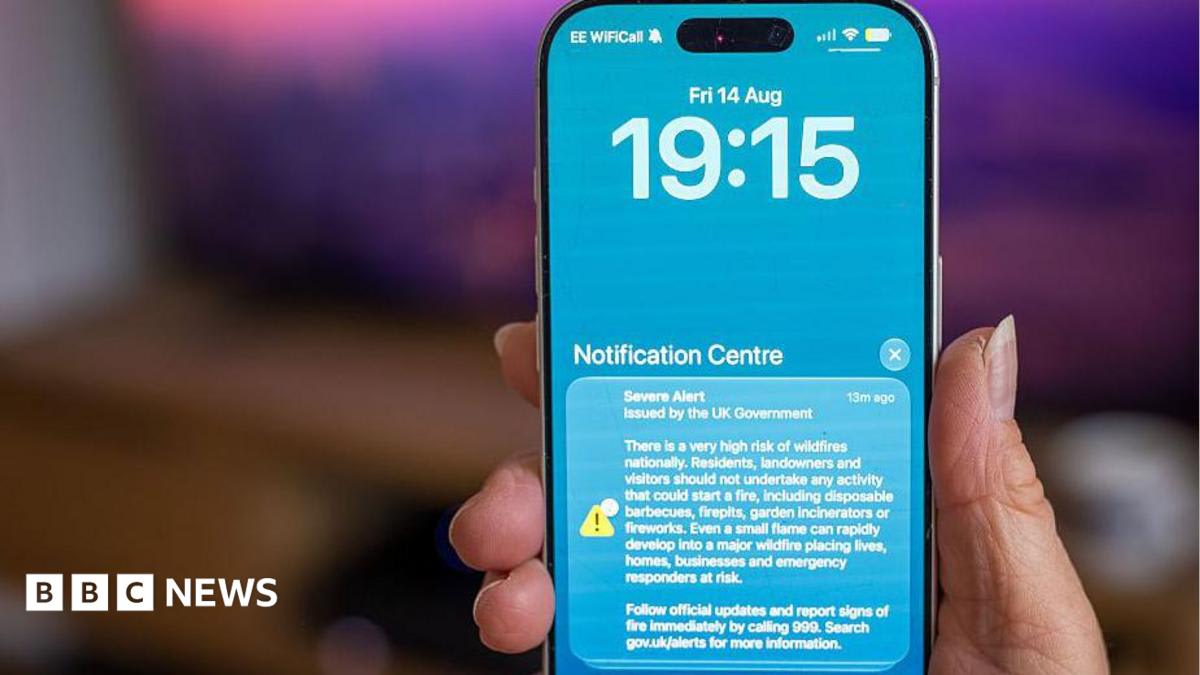
A surprise government emergency alert regarding fire safety risks has drawn criticism for potentially endangering domestic abuse victims. Campaigners warn that the unannounced, blaring notification could expose secret phones used by vulnerable individuals to seek help.
The Hidden Risks of Emergency Alert Systems
The recent deployment of a national emergency alert system has sparked a significant debate regarding the intersection of public safety technology and the privacy needs of vulnerable populations. On Friday at 19:00 BST, millions of mobile devices simultaneously issued a loud, unexpected notification. While intended to warn the public about the dangers of disposable barbecues, naked flames, and fireworks, the lack of prior public awareness campaigns meant that the alert caught the vast majority of recipients completely off guard.
The Failure of Communication and Oversight
A critical failure in this rollout was the timing and method of the government's announcement. By only publishing a press release via the Cabinet Office mere minutes before the alert was dispatched, the government effectively bypassed the media cycle that would have prepared the public. Prime Minister Andy Burnham’s insistence that the public treat the alert with gravity underscores the government's focus on fire safety, yet this singular focus appears to have blinded policymakers to the broader societal ramifications of such a sudden, pervasive, and disruptive notification system.
Implications for Domestic Abuse Victims
The most alarming consequence of this surprise alert concerns domestic abuse victims who maintain secret, secondary mobile devices. For those in abusive households, these hidden phones are vital lifelines used to reach out to support networks and plan their escape. An unannounced, high-volume alert sounding from a device that is supposed to remain silent and undetected can instantly alert an abuser to the existence of the phone, thereby escalating the risk of violence and compromising the victim's safety protocols.
Perspectives from Advocacy Groups
Organizations like Women's Aid have highlighted the severe oversight in the government’s implementation strategy. When national alert systems are tested or deployed without robust public awareness, the collateral damage falls disproportionately on those living in precarious domestic situations. Campaigners argue that the government failed to conduct a proper equality impact assessment, which would have identified that a mass, unannounced alert could serve as a dangerous 'reveal' mechanism for victims hiding their communication methods from their abusers.
Balancing Public Safety and Individual Privacy
This event serves as a cautionary tale for the future of digital governance. While emergency alert systems are undeniably valuable tools for mitigating large-scale physical threats, their utility is fundamentally undermined when they ignore the nuanced security needs of marginalized groups. Moving forward, authorities must recognize that 'public safety' is not a monolithic concept; a message that promotes safety from fire hazards must not simultaneously create a security breach for individuals already living under the threat of domestic violence.
Future Considerations for Policy
To prevent similar occurrences, the government must adopt a more transparent and communicative approach to emergency broadcasts. Future implementations should involve extensive public education, clear scheduling, and technical options that allow users to manage alerts without compromising their personal security. Failure to adapt the system to include these considerations will likely lead to continued criticism and, more importantly, a loss of trust in the government’s ability to protect its most vulnerable citizens.