A uniform 50% increase in LS seats is pulling the wool over someone’s eyes, says Praveen Chakravarty
Source Entity
India Latest News: Top National Headlines Today & Breaking News | The Hindu
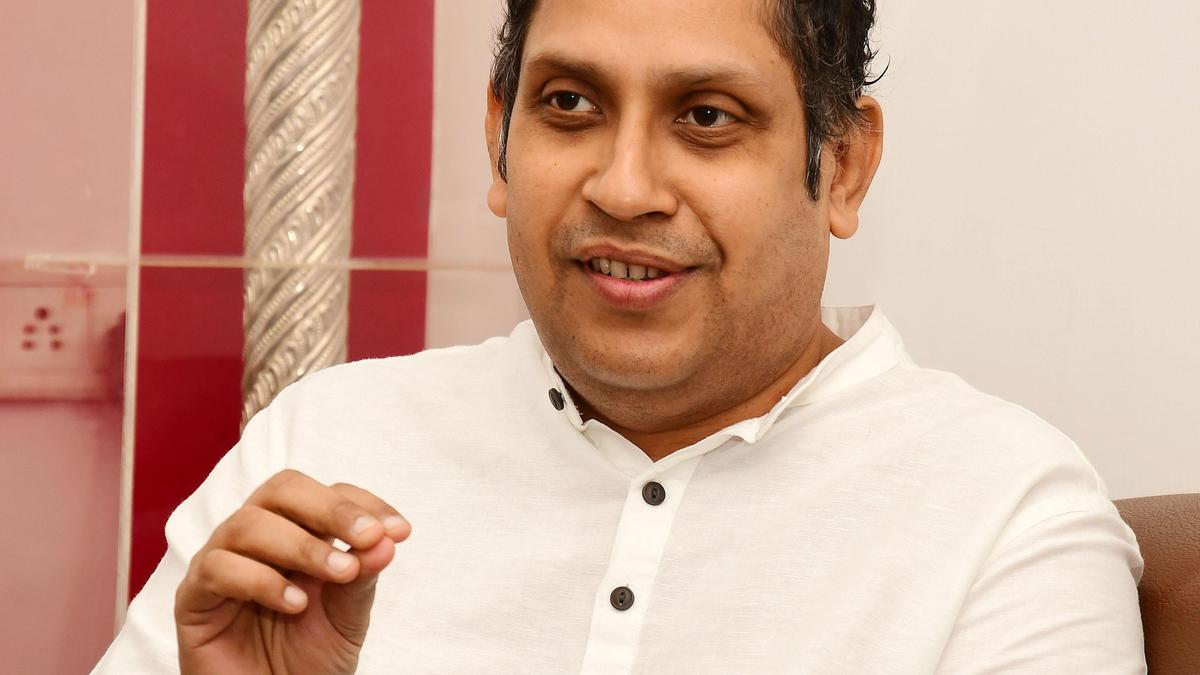
Congress leader Praveen Chakravarty has strongly opposed population-based delimitation, arguing that a uniform increase in Lok Sabha seats unfairly penalizes states like Tamil Nadu. He highlights a growing disconnect between the political establishment and Gen Z, who are demanding radical systemic changes.
The Delimitation Dilemma: A Clash of Representation and Equity
Congress Rajya Sabha Member Praveen Chakravarty has ignited a critical debate regarding the future of India's electoral architecture, specifically targeting proposals for delimitation based on population growth. By characterizing the potential 50% increase in Lok Sabha seats as an act that is "pulling the wool over someone’s eyes," Chakravarty underscores the deep-seated anxiety among southern states regarding their future political influence in the national legislature.
The Penalty of Success
At the heart of this controversy is the argument that states like Tamil Nadu, which have successfully implemented population control measures and social development programs, should not be penalized with a reduction in their relative parliamentary representation. Chakravarty posits that if seat allocation were strictly tied to population metrics, states with higher fertility rates would gain power at the expense of those that have achieved demographic stability. This creates a perceived 'punishment' for governance success, threatening the federal balance of the Indian Union.
The Illusion of Uniformity
Chakravarty challenges the narrative that a uniform percentage increase in seats across all states provides a fair solution. By contrasting the impact on states like Uttar Pradesh—which holds 80 seats—against the potential erosion of influence for smaller or demographically stable states, he highlights the structural inequality inherent in the proposal. This perspective suggests that numerical uniformity masks a shift in the center of gravity of Indian politics, potentially alienating the southern states that have long been foundational to the nation's economic and social progress.
Generational Discontent and Political Change
Beyond the technicalities of delimitation, Chakravarty links these concerns to a broader shift in the political landscape. He points to the recent Gen Z protests that culminated in the resignation of Union Education Minister Dharmendra Pradhan as evidence of a deeper malaise. He suggests that the younger generation is increasingly disillusioned with the "entrenched politics of the establishment," signaling a demand for more radical, transparent, and equitable governance models that move beyond traditional power-brokering.
Implications for Indian Federalism
The debate over delimitation is not merely a mathematical exercise; it is a fundamental challenge to the federal spirit of India. As the nation prepares for future electoral reforms, the tension between 'one person, one vote' and the protection of regional interests remains a volatile issue. The refusal of the Tamil Nadu Congress to accept seat changes based on population growth reflects a growing demand for a constitutional framework that respects historical regional contributions rather than prioritizing sheer demographic volume.
Conclusion: A Path Toward Consensus
Ultimately, Praveen Chakravarty’s critique serves as a warning to the central establishment. If the government proceeds with reforms that are perceived as undermining regional autonomy or punishing states for successful development outcomes, it risks intensifying the disconnect with both regional leadership and a politically active youth demographic. Future electoral stability will likely depend on finding a middle ground that balances population-based representation with the preservation of equitable power-sharing across India’s diverse states.
Verification Required?