Iran's real war toll: How long can US Navy ignore female crew running out of pads and tampons?
Source Entity
Latest News: Todays Latest News Headlines from India & World | Hindustan Times | Hindustan Times
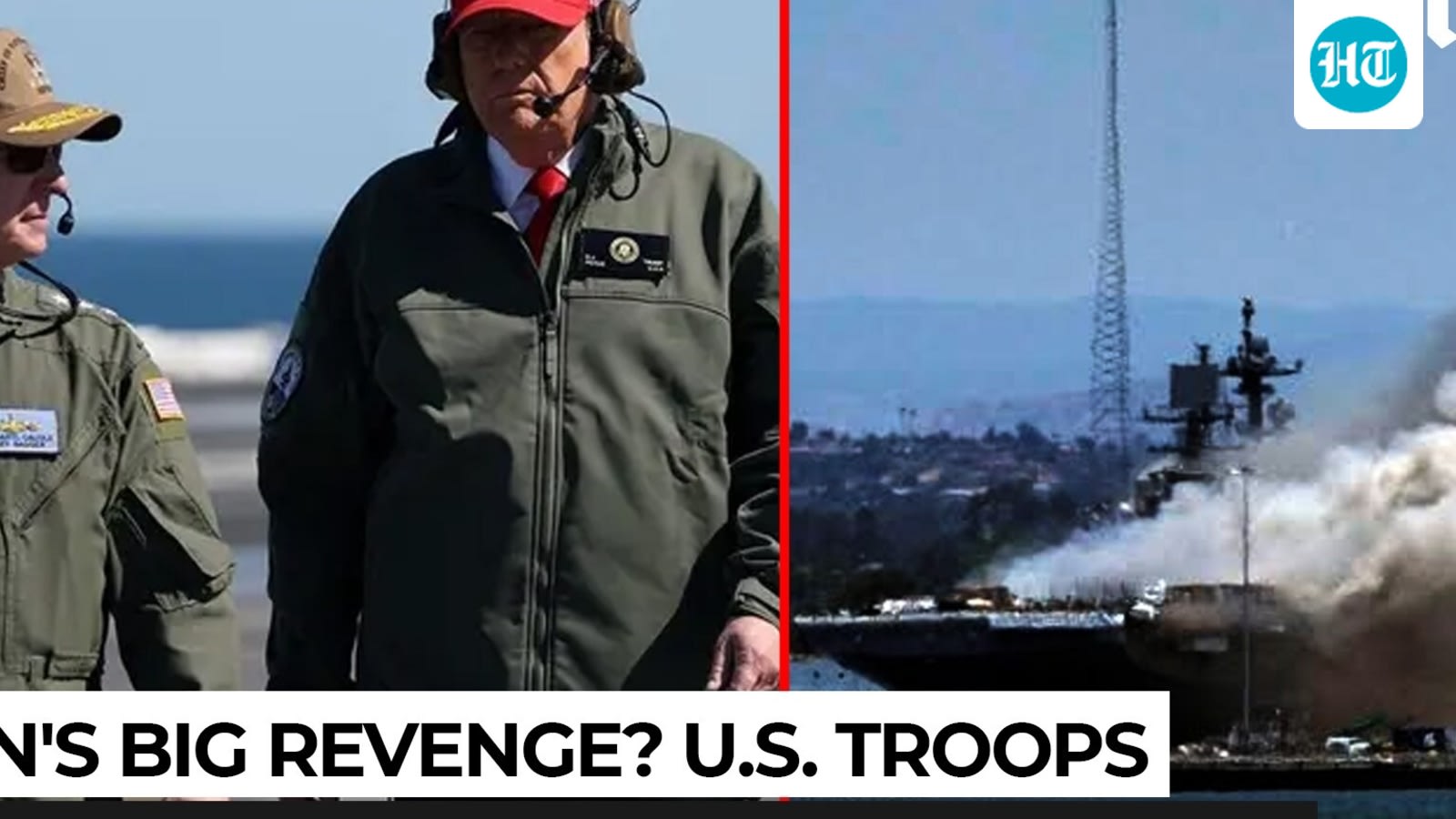
The USS Abraham Lincoln and USS Boxer face severe morale and logistical crises due to record-breaking, extended deployments in the Middle East. Reports of mental health struggles, failing infrastructure, and supply shortages have sparked a national debate over military welfare.
The Psychological and Physical Toll of Extended Naval Deployments
The ongoing deployment of the USS Abraham Lincoln, which has exceeded 250 consecutive days at sea, marks a historic duration for a modern U.S. aircraft carrier. This unprecedented isolation, necessitated by the U.S. military's posture in the Middle East, has brought the psychological limits of naval service into sharp focus. Reports indicating that sailors have attempted to jump overboard underscore a profound mental health crisis, further evidenced by families reaching out to lawmakers regarding the crumbling morale of their loved ones.
Infrastructure Failure and Living Conditions
Beyond the psychological strain, the physical environment aboard the USS Abraham Lincoln has become a focal point of public scrutiny. Viral footage documenting clogged and broken toilets has ignited a contentious debate. While Defense Secretary Pete Hegseth dismissed these complaints as being potentially misinterpreted, the imagery highlights the daily reality of sailors operating in confined, high-stress environments. This has sparked a broader societal conversation, with some military advocates and veterans contrasting these grievances with the more austere conditions faced by infantry troops, labeling the complaints as a sign of declining toughness.
The Logistics of Sustained Conflict
Adding to the operational strain, reports from the USS Boxer have revealed critical failures in the supply chain, specifically regarding essential hygiene products for female crew members. The inability to provide basic necessities during an extended deployment raises significant questions regarding the U.S. Navy’s logistical readiness. When a naval vessel—a symbol of supreme logistical capability—cannot ensure the availability of basic health supplies, it reflects systemic issues in resupply chains during prolonged, high-tempo operations.
Historical Context and Modern Implications
Naval history, from the epics of Homer to the modern era, has long recognized the corrosive impact of extended time at sea on the human spirit. The current situation serves as a modern case study in how prolonged isolation, coupled with the uncertainty of conflict in the Middle East, degrades crew cohesion. The pressure on the USS Abraham Lincoln and USS Boxer is not merely a matter of equipment maintenance but a warning sign of the limitations of human endurance in modern warfare.
Future Trends and Institutional Reform
As the U.S. remains engaged in regional tensions, the strain on naval personnel is likely to intensify. The intersection of crumbling infrastructure, supply shortages, and mental health crises necessitates a re-evaluation of deployment cycles. If the military continues to prioritize extended presence over crew welfare, the long-term impact on retention and recruitment may prove more damaging than the immediate logistical failures. The current crisis suggests that without significant adjustments to resupply protocols and mental health support, the Navy risks alienating the very personnel required to maintain its global reach.
Verification Required?