"Disaster": 4 Renaissance-Era Paintings Stolen From Italian Museum
Source Entity
NDTV News Search Records Found 1000
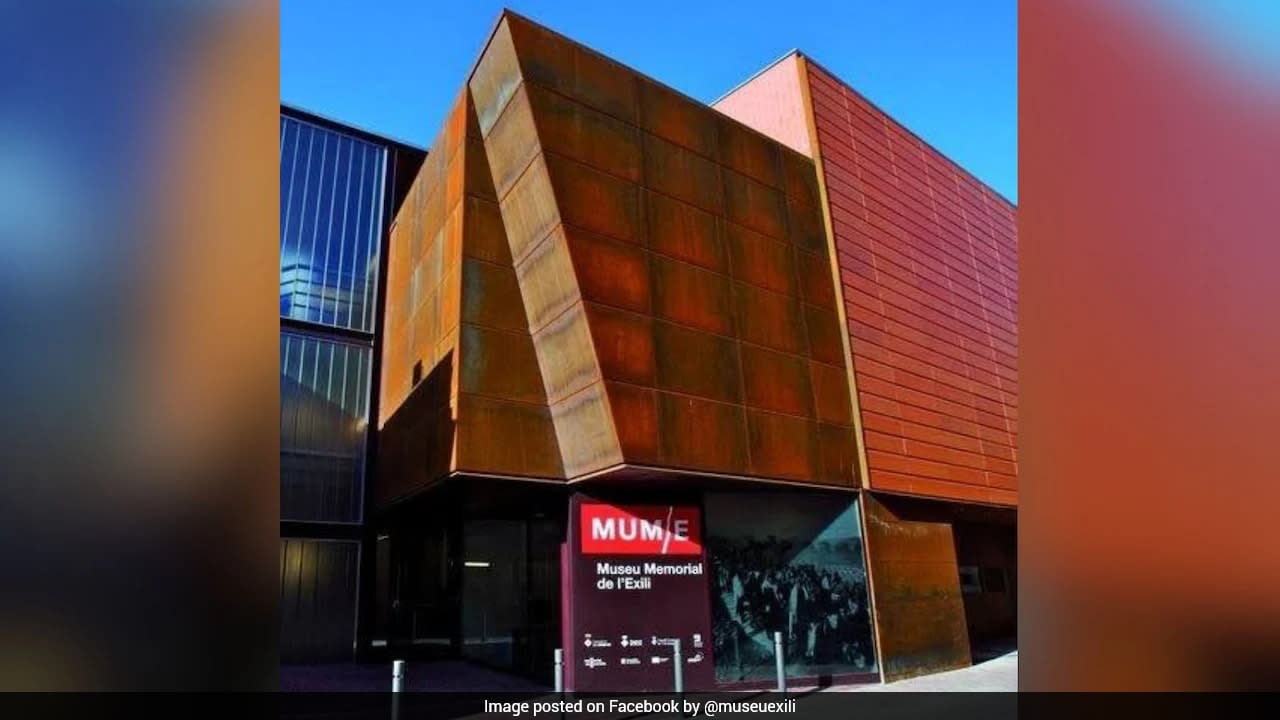
Four priceless Renaissance artworks by Antonello da Messina were stolen from a Sicilian museum during the Ferragosto holiday. Authorities suspect a sophisticated heist, as the thieves bypassed security systems to target these specific historical masterpieces.
The Tragic Loss of Renaissance Masterpieces
The recent theft at the Museo Regionale Accascina (MuMe) in Messina, Sicily, represents a devastating blow to Italy’s cultural heritage. During the quiet of the Ferragosto holiday, thieves successfully bypassed sophisticated alarm systems to abscond with four significant works by the celebrated Renaissance painter Antonello da Messina. The stolen items include three of the five surviving panels of the 1473 "San Gregorio Polyptych" and a double-sided panel depicting the Virgin Mary and the dead Christ in Pietà.
A Targeted Professional Operation
The precision of the heist suggests an operation carried out by professionals rather than opportunistic burglars. The fact that the Pietà panel was extracted from an armored display case without triggering any alarms points to a high degree of technical sophistication and potential inside knowledge. Alessandro Giuli, Italy’s culture minister, has officially confirmed the loss, characterizing the stolen pieces as having "extraordinary value." This incident follows a pattern of high-stakes art thefts across Europe, raising urgent questions about the security protocols governing public institutions housing priceless antiquities.
The Historical Significance of Antonello da Messina
Antonello da Messina is a pivotal figure in the history of Western art, credited with introducing the oil painting techniques of the Flemish masters to the Italian Renaissance. His work is characterized by remarkable psychological depth and luminosity. The vulnerability of such pieces is particularly poignant given the Italian government's recent investment in the artist's legacy; notably, in March, the state acquired his devotional painting "Ecce Homo" for $14.9 million, highlighting the escalating market value and cultural importance of his surviving portfolio.
Implications for the Global Art Market
Investigators are currently operating under the primary suspicion that these works were stolen "to order" for the illicit black market. When masterpieces of this caliber are stolen, they often disappear from public view for decades, either locked away in private collections or used as collateral in criminal networks. The recovery of such items is notoriously difficult, as they are virtually impossible to sell through legitimate auction houses, forcing them into the shadows of the international art underworld.
Future Trends in Cultural Protection
This heist serves as a grim reminder of the persistent threats faced by museums, especially during public holidays when staffing is minimal. As the black market for high-value historical art continues to thrive, museums worldwide will likely be forced to reconsider their reliance on traditional alarm systems. We may see a shift toward more advanced biometric security, enhanced surveillance, and stricter inventory controls to protect pieces that are, by their very nature, irreplaceable. The international community now watches closely to see if these treasures can be recovered before they are lost to the private vaults of history.
Verification Required?