Mojtaba puts a price on Trump's men: Iran to pay $30000 to kill US soldiers, bonus for Iranian women
Source Entity
Latest News: Todays Latest News Headlines from India & World | Hindustan Times | Hindustan Times
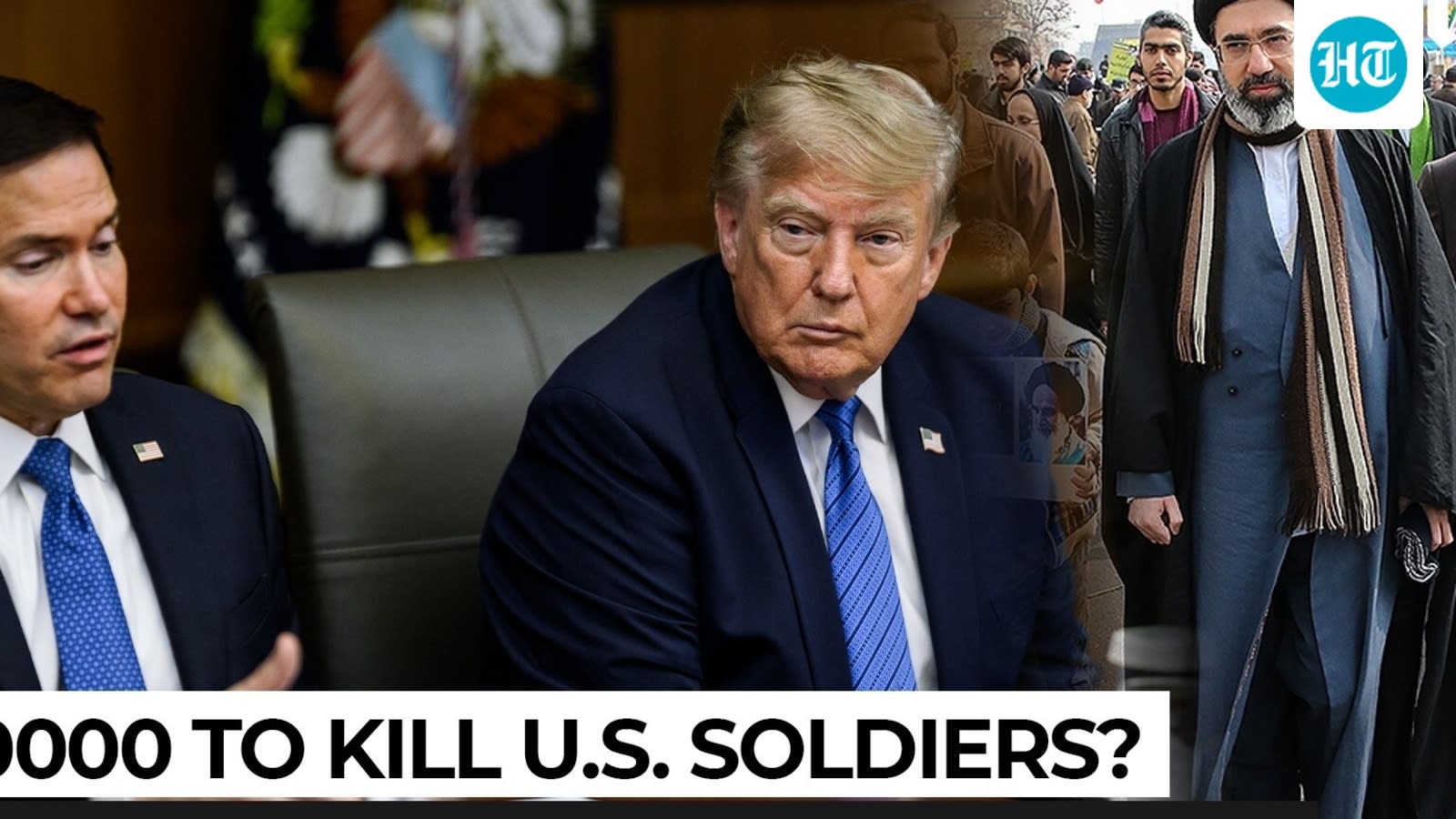
Iranian Army chief Amir Hatami has announced a $30,000 bounty for killing or capturing U.S. soldiers, with the reward doubling to $60,000 if performed by an Iranian woman. This provocative rhetoric follows heightened tensions in West Asia and ongoing disputes between Tehran and Washington.
Escalating Rhetoric: The Iranian Bounty Announcement
In a significant escalation of verbal hostility, Iranian Army chief Amir Hatami has publicly announced a bounty for the killing or capturing of U.S. military personnel. The stated reward is $30,000 for any individual who successfully targets an American soldier, with the figure doubling to $60,000 should the act be carried out by an Iranian woman. This announcement, reported by state-run agency IRNA, allegedly stems from a high volume of public requests to participate in such actions against U.S. forces.
Contextualizing the Tensions
The declaration arrives against a backdrop of long-standing, volatile relations between Tehran and Washington. While there is no current, large-scale deployment of U.S. ground troops within Iranian borders, the region remains a theater of intermittent strikes on mutual interests. The mention of this bounty serves as a stark reminder of the non-conventional warfare strategies that often characterize the geopolitical friction in West Asia.
The Role of Domestic and Regional Factors
Amir Hatami’s statement is deeply intertwined with the broader regional instability that has persisted since the onset of the conflict on February 28. Beyond the direct friction with the United States, Iran is currently navigating complex diplomatic disputes, including issues with Qatar regarding the status of missing Iranian pilots. Furthermore, the strategic bottleneck of the Strait of Hormuz remains a constant point of contention, complicating any potential path toward a lasting peace deal.
Analyzing the Strategic Intent
Experts suggest that such announcements are often utilized as a tool for domestic mobilization and psychological warfare. By citing "large numbers of requests" from the public, the leadership aims to project an image of national unity and resolve. However, the lack of specificity regarding where or when such actions could occur suggests that the threat is currently more performative than a reflection of a structured military operational plan.
Future Implications and Risks
Looking ahead, the rhetoric poses significant risks for escalation. While U.S. ground presence remains minimal—notably restricted to isolated events like the April rescue mission of a downed pilot—the formalization of a bounty creates a dangerous precedent. This move could encourage non-state actors or radicalized individuals to attempt asymmetric operations, potentially triggering a broader military response from the United States that both nations have thus far sought to avoid.
Conclusion
In summary, the bounty announcement by the Iranian military leadership represents a dangerous intensification of the status quo. By placing a monetary value on American lives, Tehran has signaled a shift toward more aggressive, albeit likely unconventional, posturing. As the situation in West Asia remains fragile, the international community will be closely monitoring whether this rhetoric translates into actionable threats or remains a maneuver in the ongoing war of words.
Multiple Citing Sources
Verification Required?