BJP’s ‘planned cash grant’ to U.P. women is a cover for corruption: Akhilesh Yadav
Source Entity
India Latest News: Top National Headlines Today & Breaking News | The Hindu
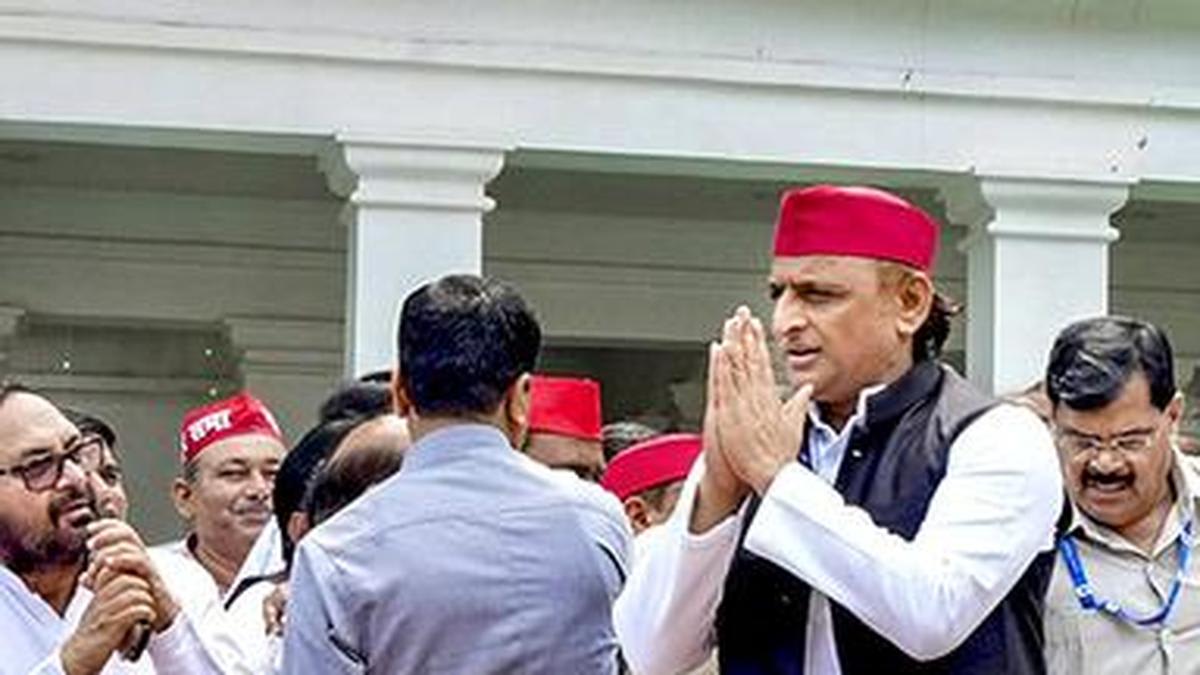
Samajwadi Party leader Akhilesh Yadav has criticized the BJP's proposed ₹20,000 cash grant for women in Uttar Pradesh, labeling it as election-driven corruption. Yadav utilized an AI-generated video to link the ruling party to alleged embezzlement at the Ram Temple, framing the grant as 'sinful earnings.'
Political Escalation in Uttar Pradesh
As the political climate in Uttar Pradesh intensifies ahead of the upcoming Vidhan Sabha elections, Samajwadi Party (SP) president Akhilesh Yadav has launched a sharp critique against the ruling Bharatiya Janata Party (BJP). The focal point of this confrontation is a reported government proposal to provide a ₹20,000 cash grant to women across the state. Yadav has publicly dismissed this initiative, characterizing it as a 'jumla'—a term frequently used in Indian political discourse to describe unfulfilled or deceptive campaign promises—and arguing that the BJP is attempting to use financial incentives as a tool for electoral gain.
The Intersection of Technology and Political Messaging
In a notable display of modern political campaigning, Yadav utilized a three-minute AI-generated video shared on the social media platform X to amplify his message. The video depicts citizens refusing monetary offers, framing the funds as 'stolen' or illegitimate. By leveraging synthetic media, the SP leader is attempting to shape public perception regarding the source of state funds, effectively turning the government's fiscal policy into a narrative about moral integrity and transparency.
Allegations of Financial Misconduct
Beyond the critique of the cash grant, Yadav has strategically linked the current administration to long-standing allegations concerning the embezzlement of donations meant for the Ram Temple in Ayodhya. By connecting the proposed women's grant to these earlier, controversial claims, he is attempting to establish a pattern of financial malpractice. This tactic is designed to erode the BJP's base by casting doubt on the origins of the state's welfare budget, suggesting that the money being distributed is effectively tainted by corruption.
Strategic Implications for the Vidhan Sabha Polls
With the state assembly elections scheduled for early 2027, the rhetoric surrounding the ₹20,000 grant underscores a broader battle for the female electorate. The BJP’s strategy relies on direct benefit transfers to secure voter loyalty, while the opposition is working to reframe these transfers as desperate attempts to buy votes using questionable resources. The success of these respective strategies will likely hinge on the electorate's trust in the government’s financial management versus their receptivity to opposition narratives regarding corruption.
Future Trends in Political Discourse
The use of AI-generated content in this incident marks a significant trend in Indian political campaigning. As political parties increasingly adopt sophisticated digital tools to influence voter sentiment, the line between factual policy debate and narrative-driven misinformation becomes increasingly blurred. Future election cycles in Uttar Pradesh will likely see an uptick in such high-tech influence operations, forcing regulators and the public to become more discerning about the content they consume and the sources providing it.
Conclusion
The ongoing standoff between Akhilesh Yadav and the BJP highlights the high stakes of the upcoming Uttar Pradesh elections. By attacking the proposed cash grant through the lens of institutional corruption and utilizing digital media to reach voters, the Samajwadi Party is attempting to build a moral argument against the ruling party’s fiscal policies. Whether this strategy will resonate with the public or be overshadowed by the practical appeal of direct financial assistance remains a critical question for the upcoming election cycle.
Verification Required?