Punjab Cong faces fresh rift as MP challenges Warring's 'one family, one ticket' rule
Source Entity
TOI NEWS DESK
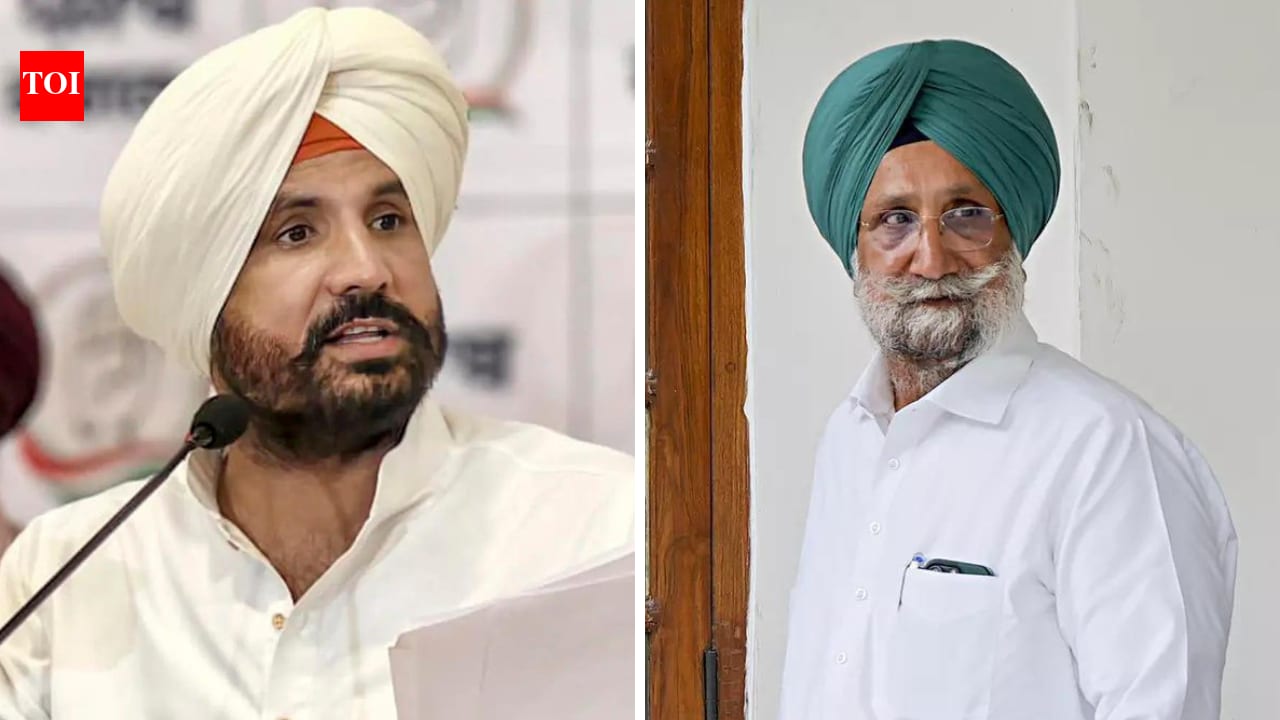
Punjab Congress is experiencing internal friction as MP Sukhjinder Singh Randhawa challenges the party's 'one family, one ticket' election policy. The BJP, led by Ravneet Bittu, has utilized this internal discord to criticize the Congress party's organizational stability.
Internal Discord in Punjab Congress: The 'One Family, One Ticket' Conflict
Recent reports indicate a deepening rift within the Punjab Congress unit, triggered by a public challenge to the party’s 'one family, one ticket' mandate. MP Sukhjinder Singh Randhawa has openly questioned the policy championed by state unit chief Amrinder Singh Raja Warring, ahead of the critical upcoming assembly elections. This internal disagreement highlights the persistent tension between veteran leadership and the need for structural reform within the party hierarchy.
The Policy Debate and Its Implications
The 'one family, one ticket' rule is designed to promote meritocracy and prevent the consolidation of power within a few influential political dynasties. However, critics like Randhawa argue that such rigid constraints may overlook the capabilities of other family members who have proven their political efficacy. The public nature of this disagreement suggests a lack of consensus on candidate selection strategy, which could significantly impact the party's cohesion as the election cycle approaches.
Strategic Challenges for the Congress
For the Punjab Congress, this policy debate is more than an internal governance issue; it is a strategic vulnerability. By restricting candidacy, the party risks alienating established political families that have historically served as the backbone of its grassroots organization. If the leadership pushes forward with the rule against the wishes of senior members, it could lead to factionalism, candidate defections, or a weakened campaign effort in key constituencies.
The Role of Political Opportunism
The situation has naturally attracted the attention of political rivals, most notably the Bharatiya Janata Party (BJP). Ravneet Bittu has actively seized upon Randhawa's public dissent to frame the Congress as a disorganized entity struggling with internal contradictions. By amplifying these cracks, the BJP aims to shift the narrative away from policy debates and toward the perceived instability of the Congress leadership.
Broader Political Context
This incident reflects a broader challenge faced by legacy parties in India: balancing the aspirations of long-term loyalists with the public demand for generational change and anti-nepotism measures. While the 'one family, one ticket' rule is often popular with the electorate as a sign of reform, its implementation frequently triggers friction among party insiders who view these restrictions as arbitrary barriers to their political influence.
Future Outlook
As the state heads toward assembly elections, the ability of Amrinder Singh Raja Warring to resolve this dispute will be a key indicator of his control over the state unit. If the party fails to reconcile the stance of senior leaders with its official policy, it may struggle to present a unified front to voters. The coming weeks will likely determine whether this is a temporary disagreement or a sign of a larger, systemic fracture within the Punjab Congress.