Many PDP leaders detained for bid to protest seeking insurance for hail-hit apple orchards in Kashmir
Source Entity
India Latest News: Top National Headlines Today & Breaking News | The Hindu
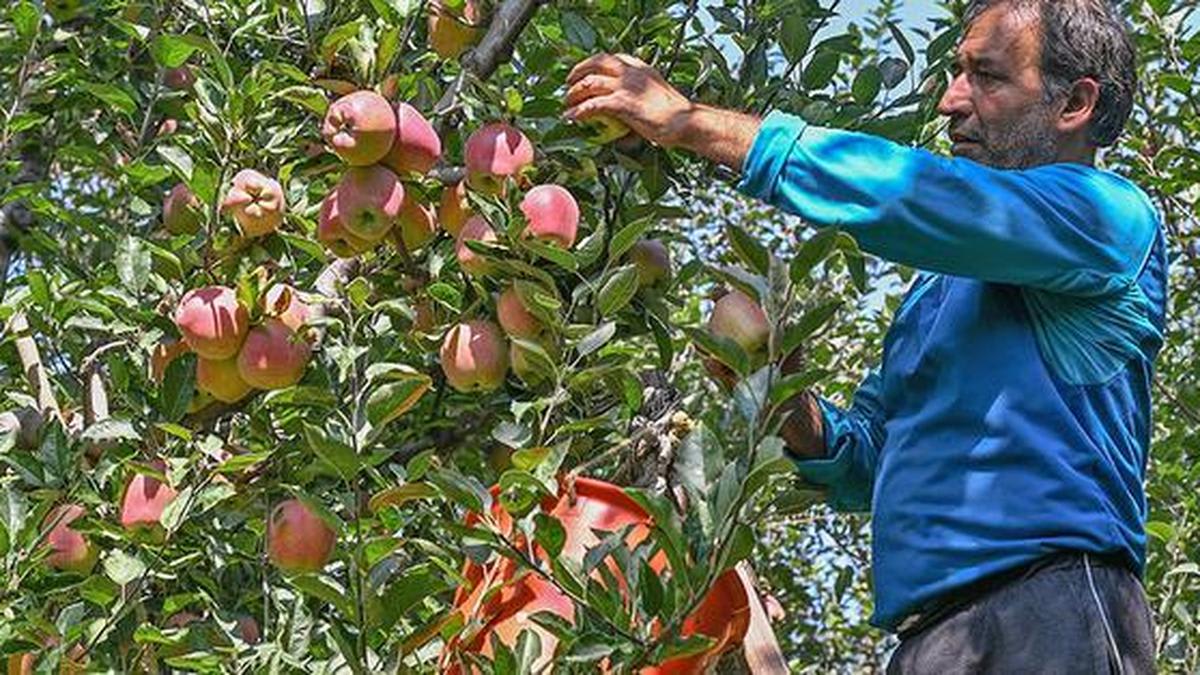
PDP leaders were detained in Shopian while protesting for crop insurance for apple farmers following severe hail damage. The party is demanding comprehensive coverage and subsidies for anti-hail nets to protect the region's vital horticulture sector.
Tensions Rise in Kashmir Over Agricultural Policy
On August 16, 2026, the political landscape in South Kashmir witnessed a significant escalation as authorities detained several leaders from the Peoples Democratic Party (PDP). The arrests occurred in the Shopian district, a region deeply dependent on the horticulture sector, as party members attempted to stage a protest demanding enhanced financial protection for local apple orchardists. This incident highlights the growing friction between regional political factions and the administration regarding the economic welfare of the farming community.
The Economic Stakes of Kashmir’s Horticulture
The core of the conflict lies in the vulnerability of Kashmir’s economy, which relies heavily on apple exports from districts such as Shopian, Kulgam, and Pulwama. For thousands of families in this region, the apple harvest is not merely a seasonal activity but the primary source of livelihood. Recent hail storms have caused catastrophic damage to these orchards, leading to widespread financial distress among farmers who currently lack a robust safety net to mitigate such climate-induced losses.
The Demand for Comprehensive Crop Insurance
Former PDP legislator Aijaz Ahmad Mir has emerged as a vocal proponent for systemic reform, specifically calling for the inclusion of apples and cherries under a comprehensive Crop Insurance Scheme. Currently, the absence of such coverage leaves farmers entirely exposed to the whims of the weather. Mr. Mir’s advocacy reflects a long-standing demand for a policy framework that acknowledges the high-risk nature of fruit cultivation in the valley, where climate change is increasingly manifesting through unpredictable and destructive weather patterns.
Infrastructure and Subsidies as a Solution
Beyond immediate compensation for the recent hail destruction, the PDP’s platform emphasizes long-term preventative measures. Mr. Mir has explicitly called for a 100% subsidy on anti-hail nets. These nets serve as a critical piece of infrastructure, providing a physical barrier that can save entire harvests from being decimated by localized storms. By pushing for this subsidy, the PDP is attempting to shift the focus from reactive disaster relief to proactive investment in agricultural resilience.
Broader Implications and Future Trends
The detention of opposition leaders during a protest over agricultural policy suggests an increasingly restricted space for public dissent in the region. As the economic stability of South Kashmir remains tied to the success of its orchards, the government’s response to these demands will likely shape future political sentiment. If the administration continues to resist calls for a comprehensive insurance scheme, it risks alienating a significant portion of the agrarian population, potentially creating a long-term political vacuum that opposition parties are eager to fill.
Conclusion
The events in Shopian underscore a critical intersection of climate risk, economic dependency, and regional politics. As the horticulture sector faces mounting threats from natural calamities, the demand for government intervention—ranging from immediate compensation to structural subsidies—will likely intensify. Whether the authorities move to formalize crop insurance or continue to rely on ad-hoc relief measures remains a pivotal question for the future of Kashmir’s agricultural economy.
Verification Required?