How JEE Advanced AIR 1 toppers’ scores have shifted over 10 years: From Aman to Shubham
Source Entity
The Indian Express
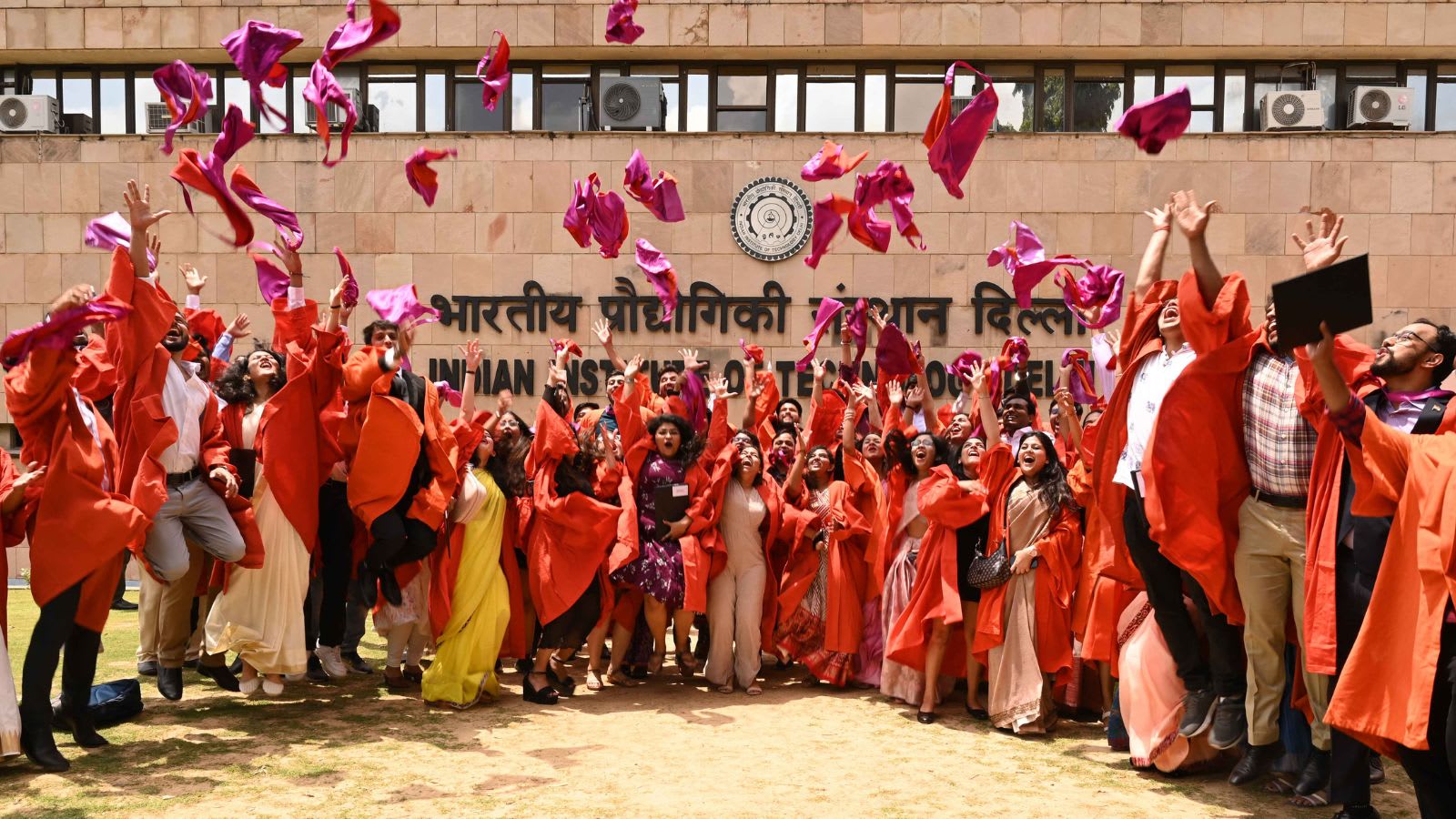
The JEE Advanced 2026 results show a 4.6% rise in qualifiers, while IIT seat capacity grew by only 3.7%. With only one in three qualifiers securing a seat, competition remains intense as top scorers like Shubham Kumar highlight the rigorous nature of the exam.
The Expanding Gap: Analyzing JEE Advanced 2026 Trends
The recent release of the Joint Entrance Examination (JEE) Advanced 2026 report, organized by IIT Roorkee, highlights a growing disparity between the rising number of qualified candidates and the available capacity at India’s premier engineering institutions. With 56,880 students qualifying this year—an increase of 4.6% from the previous cycle—the pressure on the 23 Indian Institutes of Technology (IITs) to accommodate top-tier talent has never been more pronounced.
Disproportionate Growth in Seats vs. Qualifiers
While the total number of BTech seats across the IIT network saw a modest increase from 18,160 to 18,826, this 3.7% growth lags behind the 4.6% surge in successful candidates. The Joint Implementation Committee (JIC) data reveals a sobering reality: only one in three qualifiers is ultimately able to secure a seat. This statistical bottleneck underscores the hyper-competitive nature of the examination, where even qualifying does not guarantee entry into the coveted IIT ecosystem.
The Anatomy of Excellence
This year’s topper, Shubham Kumar, secured an impressive 330 out of 360 marks, closely followed by Kabeer Chhillar with 329. The narrative of these top performers, who were hostel-mates in Kota, reflects the intense preparation culture that defines the JEE landscape. With 1,79,694 candidates appearing for both papers, the journey from the massive pool of over a million initial aspirants to the final merit list remains one of the most rigorous academic gauntlets globally.
Historical Context and Evolution
Tracing the trajectory from 2016 topper Aman Bansal to 2026 topper Shubham Kumar illustrates a decade of evolving standards in competitive engineering entrance exams. The consistency of high scores and the dominance of specific subject preferences, such as Computer Science and Engineering (CSE), suggest that the academic profile of top rankers remains highly specialized. The data shows that the pursuit of excellence has become increasingly refined, with top-tier candidates often achieving perfect percentiles in preliminary stages like JEE Main.
Broader Implications for Higher Education
The widening gap between supply and demand at IITs poses significant questions regarding the future of engineering education in India. As the number of qualified applicants continues to outpace infrastructure growth, students are increasingly forced to look toward alternative premier institutions or reconsider their academic pathways. This trend suggests that while the prestige of an IIT degree remains a primary motivator, the current system is reaching a critical threshold of accessibility.
Future Trends and Conclusion
Looking ahead, the mismatch between seat capacity and the rising number of qualified candidates is likely to persist unless there is a significant expansion in infrastructure or a diversification of pedagogical models. The JIC report serves as a vital indicator for policymakers, suggesting that the pressure on the JEE Advanced examination will continue to grow. For now, the 2026 data confirms that the path to an IIT remains an elite, narrow corridor, reserved for the most resilient and high-scoring students in the country.