New Nvidia boss says momentum goes on as firm reports bumper results after Huang quits
Source Entity
BBC News
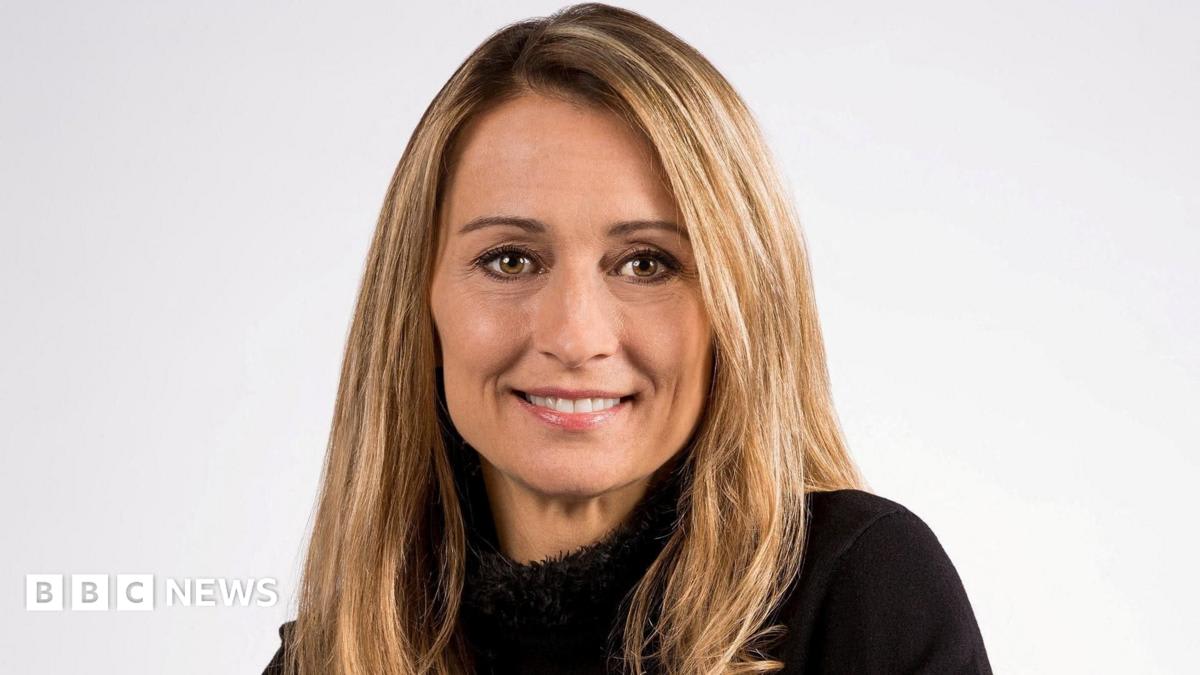
Former Nvidia CEO Jensen Huang has expressed regret over personal conduct issues that led to his resignation. President Trump has publicly signaled support for Huang's potential reinstatement, citing that he has learned from his mistakes.
The Resignation and Accountability of Jensen Huang
Jensen Huang, the former CEO of Nvidia, has formally addressed the circumstances surrounding his sudden departure from the technology giant. Huang acknowledged that he made "serious mistakes" in his personal life, which ultimately placed an undue burden on the company’s board of directors. This admission marks a pivotal moment in corporate governance, as Huang expressed deep gratitude for his tenure, describing the act of building Nvidia into a global technology powerhouse as the "privilege of his life."
The Security Concerns and Personal Conduct
The controversy surrounding Huang’s resignation stems from allegations of extramarital relationships, including one involving a businesswoman who has drawn scrutiny from U.S. intelligence agencies for suspected links to Chinese intelligence. Furthermore, reports indicated that Huang had been involved in an office relationship with an Nvidia executive. These revelations created a complex geopolitical and internal risk profile for the company, necessitating a swift leadership transition to maintain the integrity of Nvidia’s operations and stakeholder trust.
Geopolitical Implications of Corporate Leadership
The involvement of an individual with suspected intelligence ties highlights the intersection of high-level corporate leadership and national security. As a leading manufacturer of advanced semiconductors—components essential to both modern consumer tech and defense systems—Nvidia’s leadership is of significant interest to global powers. Huang’s statement emphasized his willingness to return to the CEO role should the board determine that his reinstatement serves the best interests of the company, its employees, shareholders, and the United States, acknowledging the gravity of the national security context.
Presidential Perspectives and Political Support
President Donald Trump has provided a notable endorsement regarding the potential return of Huang to the helm of Nvidia. Speaking to reporters, Trump remarked that he would "not mind" seeing Huang reinstated, suggesting that the former executive has "learned a big lesson" from the scandal. Trump also cast doubt on the severity of the espionage allegations, specifically questioning the claims surrounding the woman involved in the affair, thereby softening the political pressure on the tech executive.
The 'War Room' and Path to Reinstatement
Reports suggest that Huang has not remained passive following his departure. He has allegedly assembled a "war room" comprised of prominent Silicon Valley executives to mount a campaign for his return. This move signals a concerted effort to leverage his historical success and industry connections to sway the board of directors. The tension between his proven track record of innovation and the recent ethical and security-related controversies creates a challenging decision for Nvidia’s board.
Future Outlook for Nvidia
As Nvidia navigates this period of leadership uncertainty, the core question remains whether the company can separate Huang’s technical contributions from his personal conduct. While stakeholders value the stability and growth Huang fostered during his tenure, the board must weigh these factors against the potential for ongoing reputational risk and the scrutiny of U.S. intelligence officials. The path forward will likely depend on whether the board believes that Huang’s "lesson" is sufficient to mitigate future risks to the firm’s standing.
Multiple Citing Sources