'Unnecessary hierarchy': Jensen Huang defends lack of succession planning in Nvidia board meeting, claim reports
Source Entity
Latest News: Todays Latest News Headlines from India & World | Hindustan Times
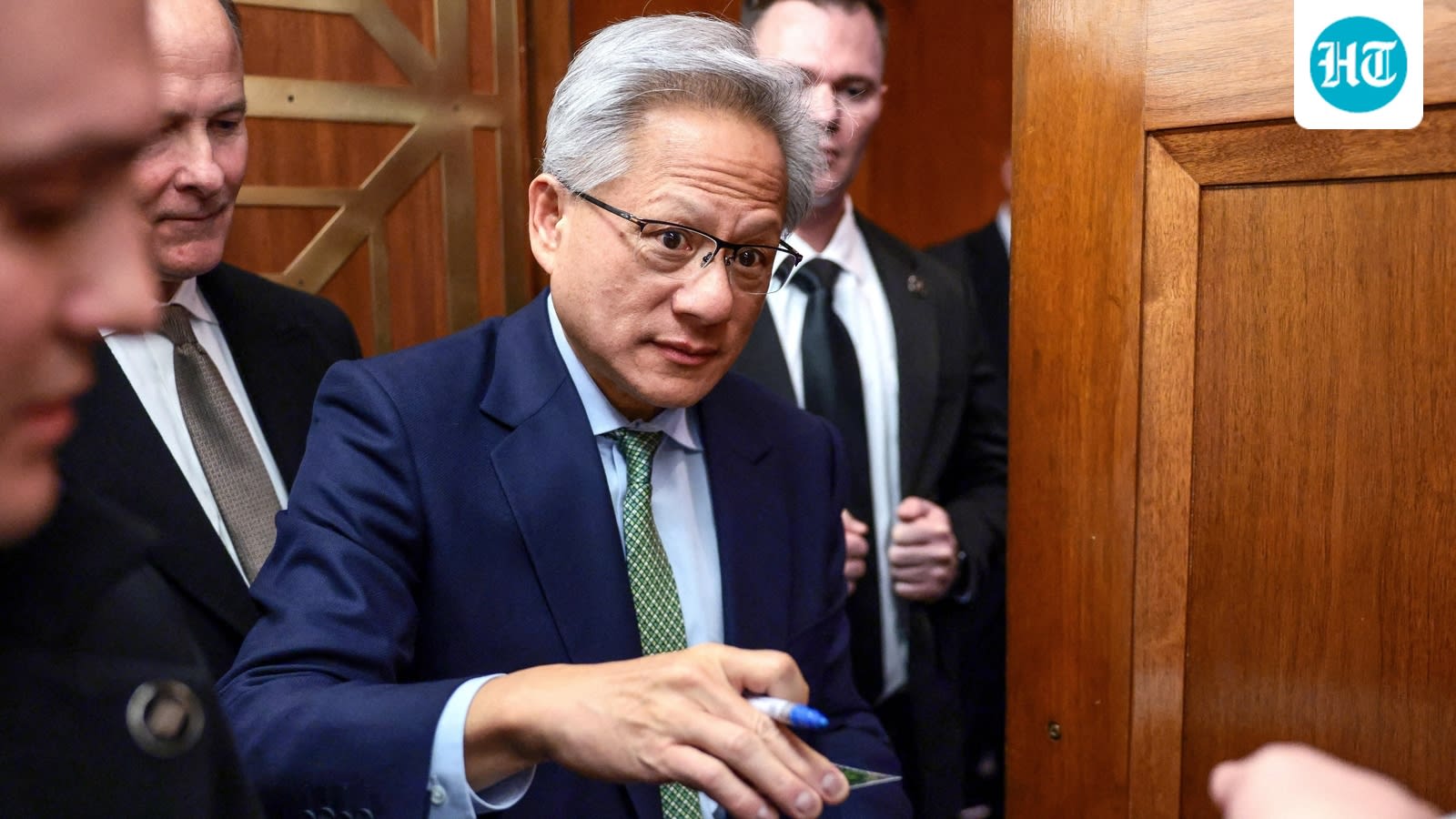
Nvidia CEO Jensen Huang has been reinstated following a brief resignation triggered by personal scandals. Despite the recent leadership vacuum, Huang maintains that Nvidia's unique business model negates the need for a formal succession plan.
The Return of Jensen Huang: A Leadership Crisis at Nvidia
Nvidia, the global leader in semiconductor innovation, has recently navigated a period of intense volatility following the resignation of its long-time CEO, Jensen Huang. On November 12, Huang stepped down from his position after admitting to extramarital affairs, including allegations involving a Chinese businesswoman suspected of espionage. This development sent shockwaves through the tech industry, forcing investors and analysts to grapple with the sudden loss of a founder-leader who has been instrumental in the company’s trajectory toward becoming a titan of the artificial intelligence era.
A Contrite Return and Cultural Reassessment
Following his reinstatement on Monday, Huang held an all-hands meeting to address the workforce. Reports from insiders indicate a tone characterized by remorse and humility. Huang acknowledged that his personal actions had let the organization down, promising to perform better in his second tenure. This meeting served as a critical platform for the CEO to discuss not only his personal conduct and adherence to the company’s code of ethics but also the broader implications of his departure and subsequent return on Nvidia's corporate culture.
The Succession Planning Controversy
One of the most contentious topics addressed by Huang was the absence of a formal succession plan. In a move that has surprised many in the financial sector, Huang explicitly rejected the necessity of a succession roadmap. He argued that Nvidia’s unique business model and its deeply integrated leadership structure render traditional corporate succession hierarchies unnecessary. By positioning the company as a collective of capable leaders rather than a top-down monarchy, he aims to deflect concerns regarding the firm's stability in his absence.
Analyzing the 'Unique Business Model' Argument
Huang’s assertion that Nvidia does not require a succession plan relies on the premise that the company’s operational framework is fundamentally different from that of a standard organization. He suggests that because multiple leaders are already steering different, vital aspects of the company, the loss of any single individual—even the CEO—should not destabilize the enterprise. This perspective challenges conventional corporate governance standards, which typically mandate clear, transparent pathways for leadership transition to mitigate institutional risk.
Future Implications and Investor Sentiment
While Huang’s return provides immediate stability, the debate over succession planning remains a focal point for shareholders. The events of the past two weeks have exposed the vulnerability of a company heavily reliant on the vision of its founder. For investors, the lack of a formal succession plan represents a significant risk factor. As Nvidia continues to dominate the chip market, the market will likely be watching closely to see if Huang’s "unique model" can truly withstand future leadership shocks or if the company will eventually be forced to adopt more rigid, traditional governance structures to appease institutional stakeholders.
Verification Required?