Inside the three-month plan for 2013 Naxal ambush that wiped off Chhattisgarh Congress leadership
Source Entity
Jayprakash S Naidu
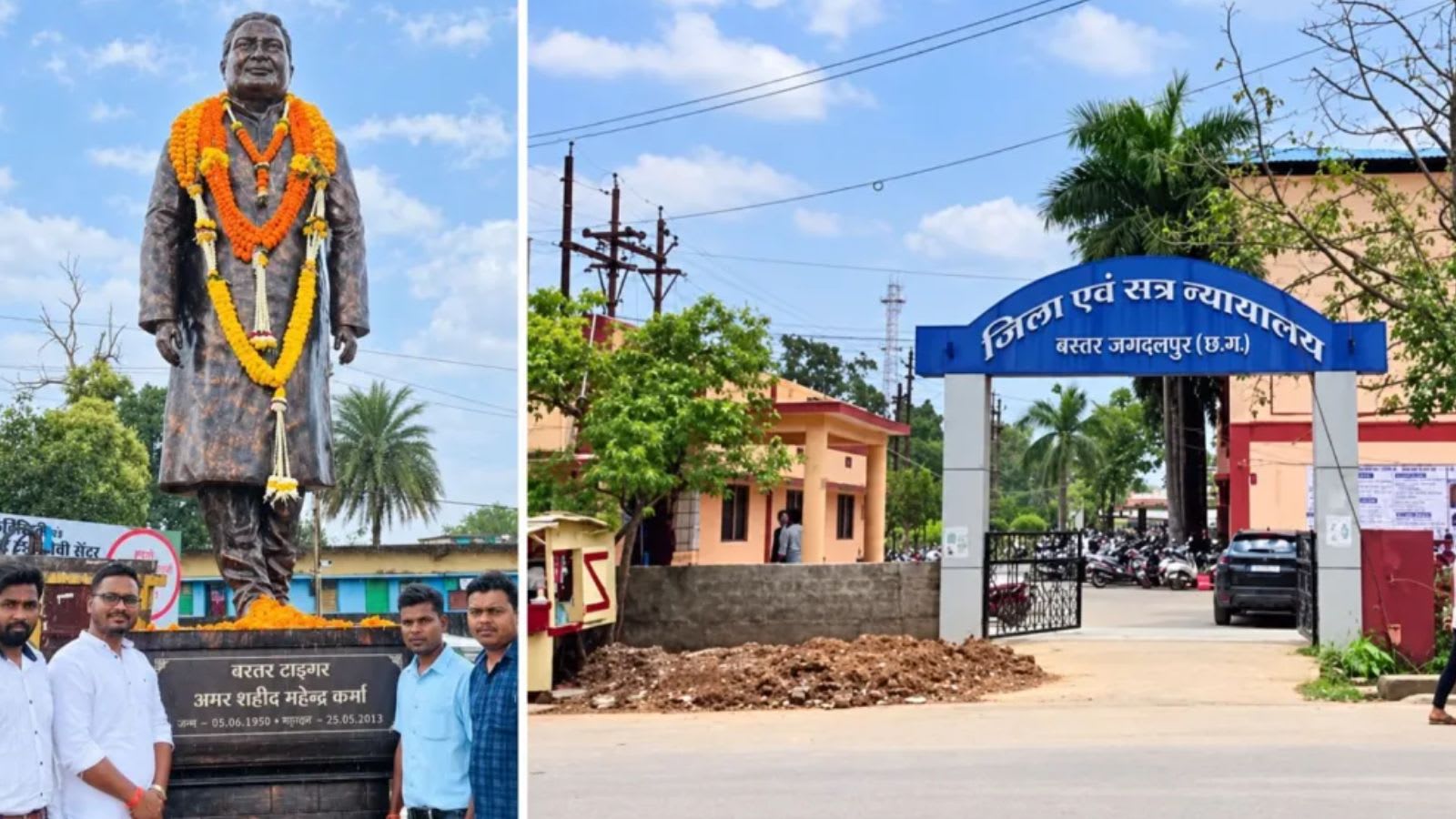
An NIA court has sentenced 10 Maoists to death for the 2013 Jhiram Ghati ambush that decimated Chhattisgarh's Congress leadership. The court classified the case as 'rarest of rare' due to the meticulous three-month planning and execution of the attack.
The Jhiram Ghati Verdict: A Judicial Milestone
On September 16, 2026, a special National Investigation Agency (NIA) court in Jagdalpur delivered a landmark judgment regarding the May 25, 2013, Jhiram Ghati attack. By sentencing 10 convicted Maoists to death, the court underscored the gravity of an assault that claimed 27 lives, including prominent Chhattisgarh Congress leaders such as Vidya Charan Shukla, Nand Kumar Patel, and Mahendra Karma. This verdict marks a definitive closure to a judicial process examining one of the most significant domestic security breaches in India’s recent history.
Anatomy of a Calculated Conspiracy
The court’s order provides a chilling insight into the operational sophistication of the Communist Party of India (Maoist). Evidence presented revealed that the conspiracy was finalized during meetings of the South Regional Unified Command held between February 16 and 25, 2013. The attackers executed a three-month plan that included rigorous site surveys, precise recce operations, and even a full-scale rehearsal. This level of logistical preparation—down to the expert rationing of food stocks for the cadre—demonstrates a high degree of organizational intent to neutralize the state's political leadership.
The 'Rarest of Rare' Doctrine
In classifying the massacre as a 'rarest of rare' case, the court determined that life imprisonment was wholly inadequate given the brutality and premeditation involved. The judiciary relied on established legal precedents, specifically citing Machhi Singh v. State of Punjab (1983) and the Mohd. Ajmal Mohammad Amir Kasab v. State of Maharashtra (2012) ruling. By invoking these judgments, the court emphasized that the scale of the violence, involving the use of 8 to 9 kg of explosives and the discharge of 206 bullets into the Parivartan Yatra convoy, demanded the ultimate penalty under the law.
Impact on Regional Political Landscape
The 2013 ambush was not merely an act of violence; it was a targeted strike intended to hollow out the political opposition in Chhattisgarh. By wiping out a significant portion of the Congress party's state leadership in a single afternoon, the Maoist insurgency sought to destabilize democratic processes in a conflict-prone region. The long-term implications of this vacuum have influenced Chhattisgarh’s political trajectory for over a decade, making this recent judicial intervention a vital component of the state’s pursuit of justice and accountability.
Broader Implications for Internal Security
The sentencing serves as a stark reminder of the persistent threat posed by extremist groups and the evolving nature of counter-terrorism efforts in India. The NIA's ability to reconstruct the timeline of the conspiracy—from the initial meetings in February to the final execution in May—highlights the importance of forensic intelligence in prosecuting complex insurgency-related crimes. As the state continues to manage the remnants of these conflicts, this verdict acts as a deterrent, reinforcing the mandate of the rule of law against organized attempts to undermine the constitutional order.
Conclusion
The death sentences awarded to the 10 convicts bring a formal end to the legal proceedings surrounding the Jhiram Ghati tragedy. While the verdict cannot restore the lives lost, it affirms the judiciary's stance on mass casualty events targeting elected officials. This case stands as a historical reference point for how the Indian legal system handles domestic terrorism, ensuring that the meticulous planning of such atrocities does not go unpunished.
Multiple Citing Sources