Cramer says 'frozen' conditions are holding many stocks back. Here's what could change that
Source Entity
US Top News and Analysis
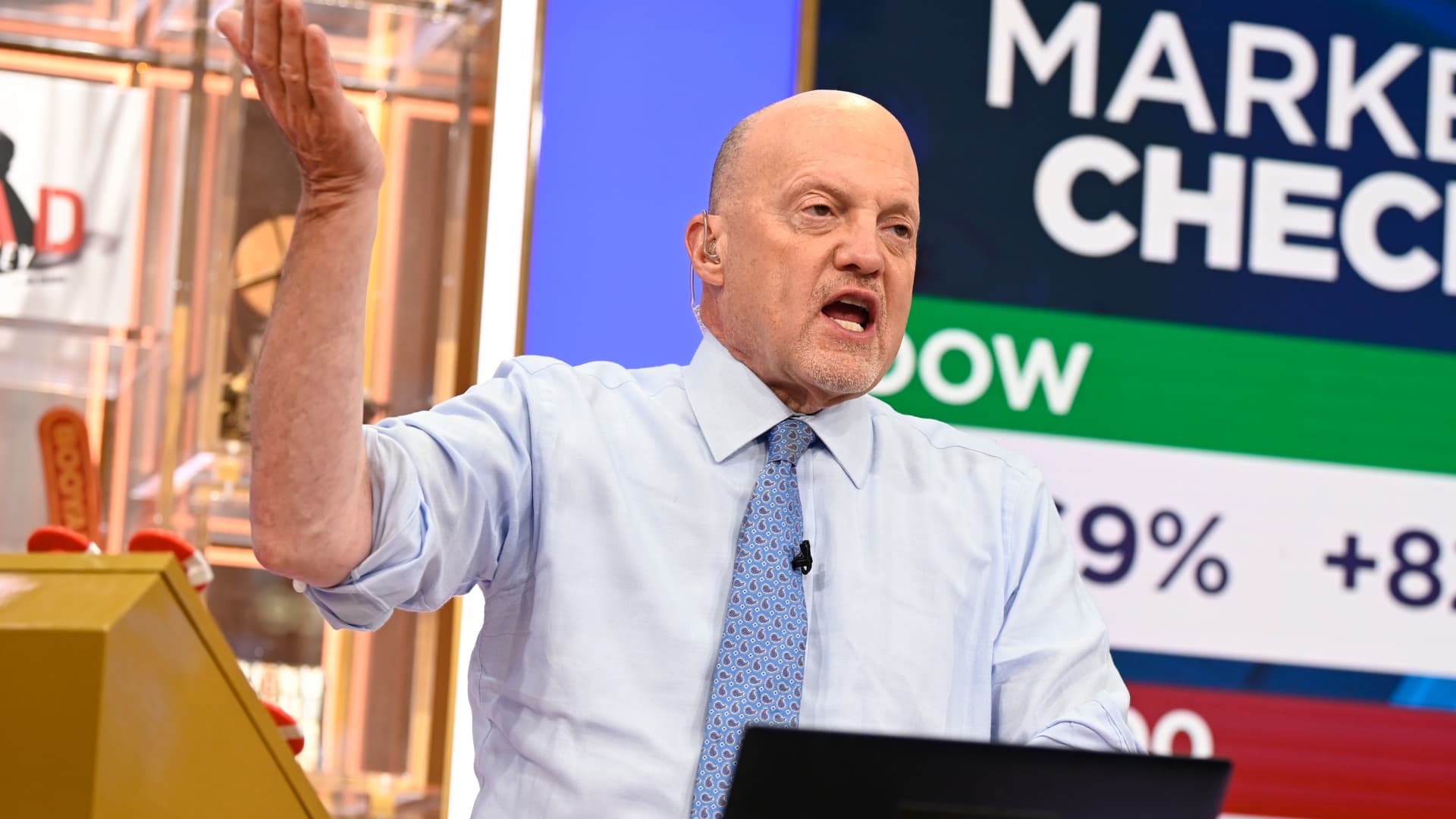
Jim Cramer warns that high interest rates and geopolitical uncertainty are creating a 'frozen' market environment. Despite these headwinds, he advises investors to remain patient rather than abandoning their positions.
The 'Frozen' Market: Analyzing Economic Stagnation
CNBC's Jim Cramer has recently highlighted a growing concern among financial analysts: a pervasive sense of stagnation across multiple sectors of the U.S. economy. By describing these conditions as "frozen," Cramer points to a multifaceted crisis where traditional market catalysts are being neutralized by external pressures. This state of affairs is not merely a localized issue but a systemic hurdle that is currently suppressing stock performance and investor sentiment.
The Impact of Macroeconomic Headwinds
The current market environment is being shaped by a confluence of high interest rates, geopolitical instability, and a contentious political climate. These factors have combined to create an atmosphere of uncertainty that discourages capital expenditure and risk-taking. When corporations and consumers alike face high borrowing costs and political ambiguity, the natural result is a deceleration in activity, which Cramer identifies as the primary driver behind the current lack of market momentum.
The Housing Market Impasse
Perhaps the most illustrative example of this stagnation is the U.S. housing market. With 30-year mortgage rates surging from roughly 3% just five years ago to approximately 7.5% today, the market has entered a period of profound sluggishness. This drastic shift has created a "lock-in" effect, where existing homeowners are incentivized to hold onto their lower-rate mortgages, drastically reducing housing inventory and preventing the market from finding a new equilibrium.
Stalling IPOs, M&A, and Infrastructure Growth
Beyond real estate, the "frozen" phenomenon has extended into corporate finance and industrial expansion. Initial Public Offering (IPO) and Mergers and Acquisitions (M&A) activities, which typically serve as bellwethers for market health, have slowed significantly. Even the previously high-growth sector of data-center construction is encountering new obstacles, suggesting that the headwinds are now impacting even the most resilient areas of the economy.
Strategic Outlook for Investors
Despite these daunting indicators, Cramer’s core message to investors is one of resilience. He advises against "jumping ship," suggesting that the current market freeze is a temporary, albeit painful, phase. For the long-term investor, the challenge lies in distinguishing between transient economic friction and permanent structural decline. As policy environments shift or interest rate trajectories stabilize, the potential for a thaw exists, which could serve as a catalyst for renewed market growth.
Conclusion
In summary, while the U.S. economy is currently navigating a period of reduced velocity characterized by high interest rates and geopolitical caution, these conditions are not necessarily indicative of a permanent market failure. By understanding the specific pressures—such as the housing lock-in effect and the decline in corporate deals—investors can better navigate the landscape. The key to weathering this period, according to the analysis, is maintaining a focus on underlying value rather than reacting impulsively to the current lack of activity.