'SC/ST MPs need more speaking time in Parliament': NDA ally Jitan Ram Manjhi
Source Entity
KANCHAN YADAV
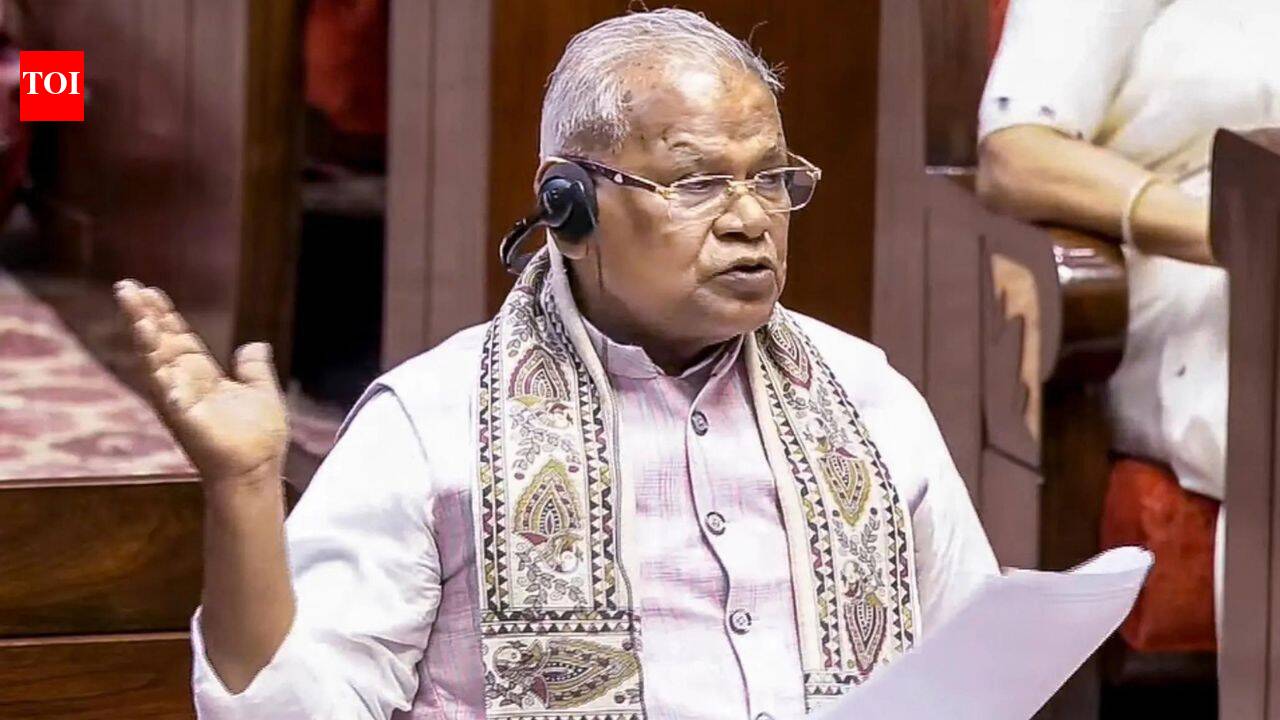
Union Minister Jitan Ram Manjhi has urged Lok Sabha Speaker Om Birla to ensure more speaking time for SC/ST MPs in Parliament. The request follows concerns raised by BJP MP Gajendra Singh Patel regarding inadequate representation during legislative debates.
Representation Concerns in the Indian Parliament
Union Minister and Hindustani Awam Morcha (Secular) leader Jitan Ram Manjhi has formally addressed Lok Sabha Speaker Om Birla, highlighting a significant grievance regarding the parliamentary participation of Scheduled Castes (SC) and Scheduled Tribes (ST) Members of Parliament. In his letter dated September 16, Manjhi articulated that these representatives are frequently denied adequate time to speak during critical legislative discussions, potentially undermining their ability to voice the concerns of their constituents.
Origins of the Grievance
The issue was brought to the forefront during an 'NDA sansad samooh samvaad baithak' (NDA MP Group Dialogue Meeting) held at Manjhi’s residence on August 5. During this internal discussion, BJP Lok Sabha MP Gajendra Singh Patel, who represents the reserved tribal constituency of Khargone in Madhya Pradesh, reportedly raised the concern that SC/ST lawmakers are marginalized during debates on important Bills. Manjhi’s decision to elevate this internal feedback to the Speaker’s office underscores a growing sensitivity within the NDA coalition regarding legislative inclusivity.
The Significance of Parliamentary Voice
In the context of the Indian parliamentary system, the time allotted to MPs for debate is a direct reflection of the weight given to their respective regions and communities. For MPs representing reserved constituencies, the floor of the House is the primary venue to advocate for the specific socio-economic needs of marginalized populations. When these voices are perceived as restricted, it raises questions about the efficacy of representation for communities that historically face structural barriers to political engagement.
Broader Implications for the NDA
As a prominent Dalit leader and a key ally within the ruling National Democratic Alliance, Jitan Ram Manjhi’s intervention is politically significant. By championing the cause of SC/ST MPs, Manjhi is positioning himself as a guardian of equitable participation within the coalition. This move suggests that even within the ruling alliance, there is a push for a more inclusive legislative process that ensures the voices of reserved-seat representatives are not drowned out by more dominant parliamentary factions.
Expectations for Procedural Reform
Manjhi has explicitly requested that Speaker Om Birla issue necessary directions to the concerned authorities to rectify this imbalance. While the Speaker holds the discretion to allocate time, this formal request places pressure on the chair to ensure that the distribution of speaking slots is handled with greater sensitivity to the diversity of the House. Future sessions of Parliament will likely be monitored to see if these concerns lead to tangible changes in how debate time is distributed among members from different social backgrounds.
Multiple Citing Sources