The takeaways from Trump-Xi summit: Plenty of show, little of substance — and worries for India
Source Entity
Anil Sasi
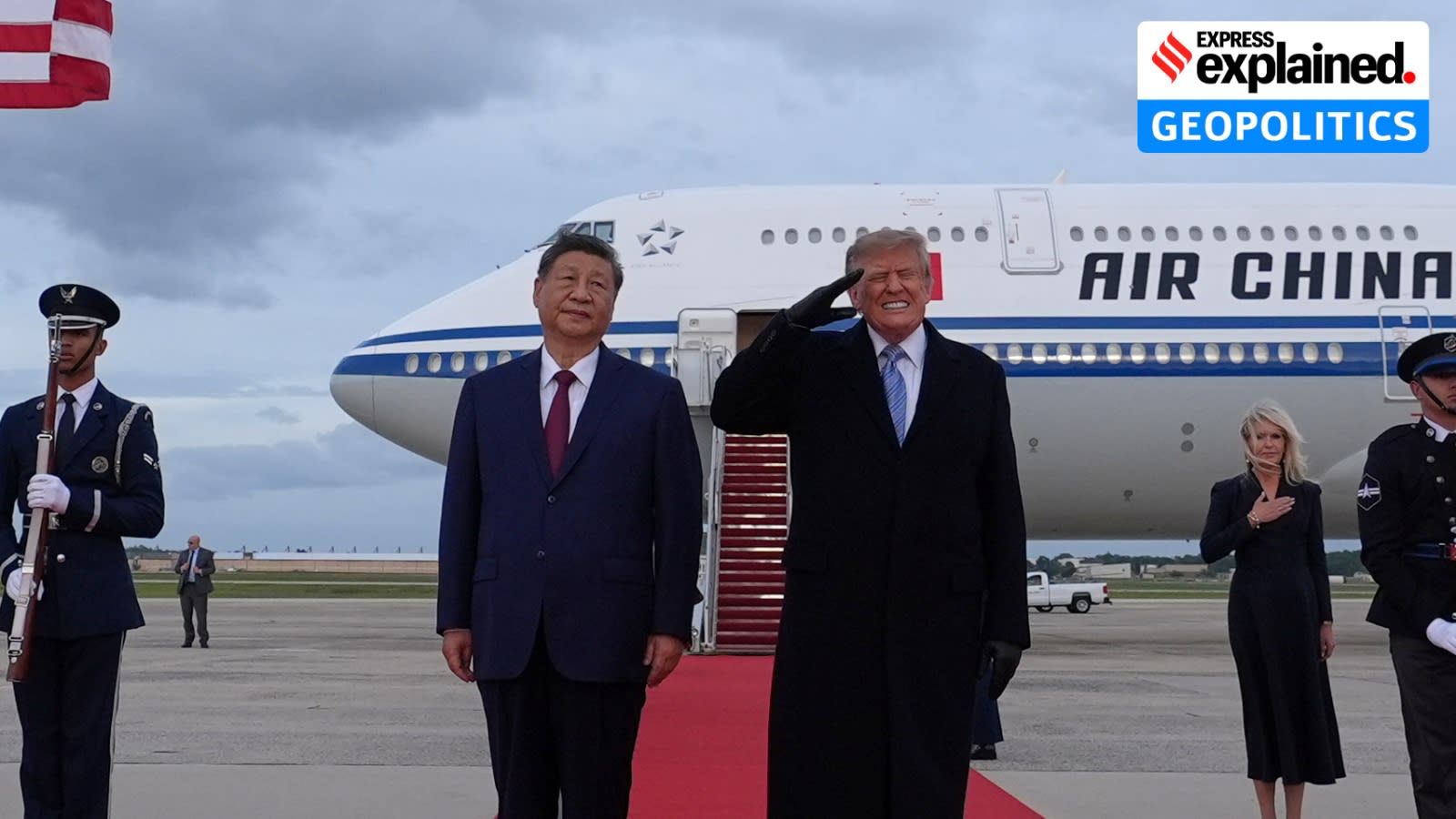
President Trump and President Xi Jinping held a high-stakes summit focused on trade stability, AI governance, and diplomatic symbolism. The meeting featured a star-studded guest list of tech leaders and occurred amidst a notable, surprise uptick in U.S. orders for Chinese goods.
A New Chapter in U.S.-China Diplomacy
The recent summit between President Donald Trump and President Xi Jinping marks a significant pivot in the bilateral relationship between the world's two largest economies. As global markets watch for signs of cooling tensions, the meeting served as a stage for both high-level diplomatic gestures and pragmatic economic maneuvering. By hosting a prestigious state dinner in Washington, the U.S. administration sought to set a tone of stability, underscored by the presence of key industry leaders and symbolic offerings.
The Economic Pulse: A Surprise Rebound
Economic data released by the China Beige Book suggests that the private sector anticipated this stabilization. A survey of 1,296 Chinese firms conducted throughout September revealed a "surprise" jump in U.S. orders. This rebound in exports, which rose on both a yearly and monthly basis, indicates that businesses are actively positioning themselves to capitalize on a period of relative tariff improvement. The data from the Yantian Port in Shenzhen reflects this logistical reality, with container activity signaling a renewed confidence in trans-Pacific supply chains.
Symbolic Diplomacy and the Bald Eagle
Beyond the macroeconomic indicators, the summit utilized traditional statecraft to signal intent. President Trump’s gift of a bald eagle sculpture to President Xi Jinping was more than a mere formality; it was a curated message of American identity. By describing the eagle as an embodiment of the "free and soaring spirit of America," the gift served to frame the U.S. position in the relationship while inviting a reciprocal acknowledgment of national values. Such gestures are vital in high-stakes diplomacy, providing a human element to otherwise rigid geopolitical negotiations.
AI Governance at the Forefront
Perhaps the most consequential aspect of the summit was the inclusion of major technology figures. With AI safety concerns reaching a fever pitch, the presence of CEOs from Nvidia, SpaceX, AMD, Apple, OpenAI, Google, and Microsoft highlights that technological hegemony is now the central pillar of global security. The dinner discussions likely moved beyond trade deficits to address the existential risks posed by rapid AI development, signaling that both nations recognize the necessity of collaborative oversight in the digital age.
Future Trends and Strategic Implications
Looking forward, the alignment of private sector demand and presidential dialogue suggests a cautious thawing of relations. If the current trend of increased trade orders holds, it may provide the economic breathing room necessary for both leaders to address more contentious issues. However, the reliance on tech giants to mediate these discussions underscores a new reality: the future of U.S.-China relations is no longer solely in the hands of diplomats, but is deeply intertwined with the trajectory of the global tech industry.
Conclusion
In summary, the Trump-Xi summit represents a calculated effort to balance economic necessity with national pride and technological caution. From the surge in port activity at Shenzhen to the high-level dialogue in Washington, the event illustrates a shift toward managed competition. Whether this stability proves durable will depend on how effectively both nations can translate these symbolic and private-sector signals into long-term, actionable policy.
Multiple Citing Sources