J&K Bank Officer Dismissed Over 'Anti-National' Charges Reinstated By High Court
Source Entity
NDTV News Search Records Found 1000
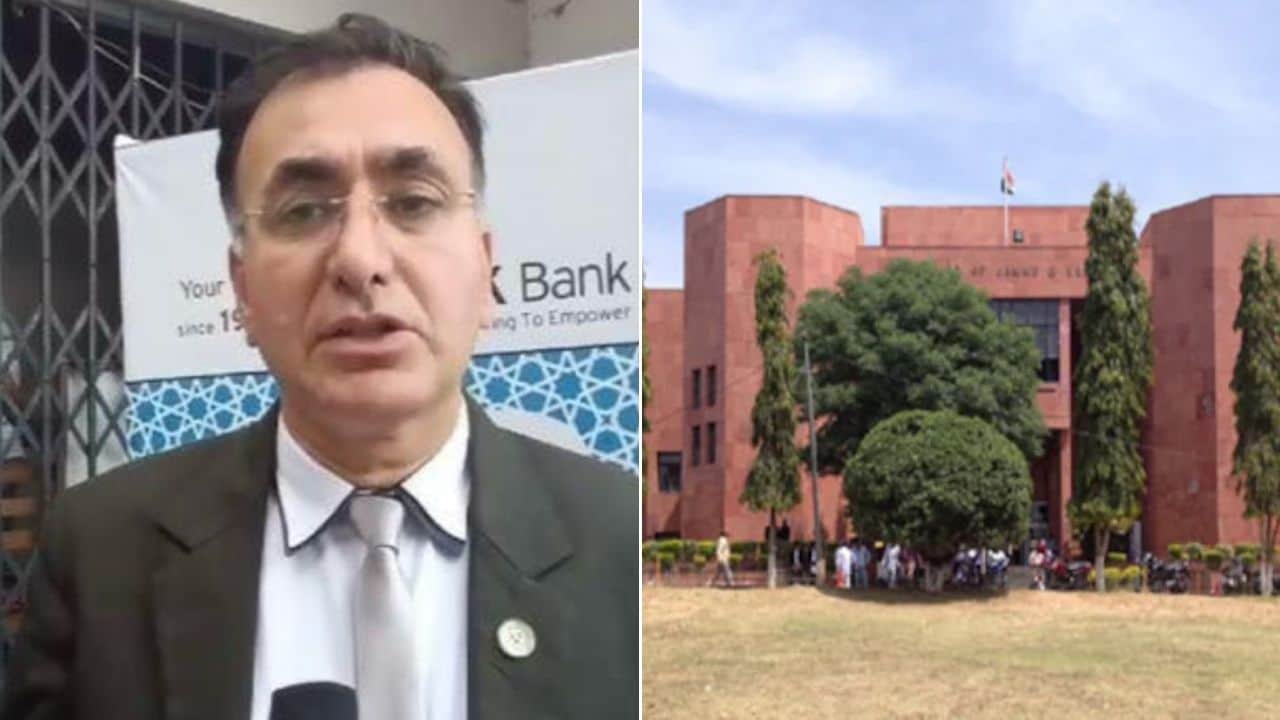
The J&K High Court reinstated a bank official dismissed without inquiry over social media activity. Simultaneously, the Supreme Court Collegium acted to address judicial turmoil in Rajasthan by appointing a new Chief Justice following allegations against Acting CJ Sanjeev Prakash Sharma.
Judicial Oversight and Administrative Reforms in the Indian Judiciary
Recent developments across the Indian judicial landscape underscore a period of significant administrative adjustment and accountability. In a notable ruling, the Jammu & Kashmir High Court has reinstated a bank executive who was previously dismissed without a formal inquiry. The dismissal was allegedly linked to the individual’s involvement in a #TortureKashmir hashtag campaign on social media. This decision highlights the judiciary's commitment to due process, emphasizing that even in sensitive contexts, employers cannot circumvent mandatory inquiry procedures when terminating an employee.
The Rajasthan High Court Crisis
Simultaneously, the Rajasthan High Court has been embroiled in internal instability. Lawyers' associations at the principal seat in Jodhpur initiated a work abstention, effective until September 6, 2026. This protest was driven by a three-point charter of demands, specifically calling for Acting Chief Justice Sanjeev Prakash Sharma to be relieved of his judicial and administrative duties. The agitation gained momentum following the public disclosure of letters from Supreme Court Judge Sandeep Mehta, which raised serious concerns regarding the alleged 'misuse of powers' by Justice Sharma.
Escalation and Protest
The situation in Rajasthan reached a flashpoint when lawyers at the Jaipur Bench staged protests outside Justice Sharma’s courtroom. The atmosphere became volatile as police were summoned to disperse protesters, an act that prevented several legal practitioners from accessing the court. This confrontation reflects a deep-seated friction between the bar and the bench, triggered by the serious nature of the allegations made by a sitting Supreme Court judge, which questioned the administrative integrity of the Rajasthan High Court’s leadership.
Collegium Intervention and Leadership Transition
In response to the mounting pressure and the gravity of the allegations, the Supreme Court Collegium, led by Chief Justice of India Surya Kant, acted swiftly. On Monday evening, the Collegium recommended Chhattisgarh High Court Judge Sanjay K. Agarwal as the new Chief Justice of the Rajasthan High Court. This decisive action occurred within an hour of Justice Sanjeev Prakash Sharma proceeding on leave, effectively signaling an end to the immediate administrative impasse.
Broader Judicial Implications
Furthermore, the Collegium announced the appointment of Justice Pushpendra Bhati, the second senior-most judge of the Rajasthan High Court, as the Chief Justice of the Jammu & Kashmir and Ladakh High Court. These strategic transfers and appointments demonstrate the Supreme Court’s proactive approach to resolving internal institutional crises. By addressing the allegations against Justice Sharma through formal leadership changes, the Collegium aims to restore public and professional confidence in the judicial administration of the Rajasthan High Court.
Conclusion
The dual events—the reinstatement of the bank official and the restructuring of high court leadership—illustrate the dual role of the judiciary in upholding both employment rights and institutional integrity. As the Rajasthan High Court transitions under new leadership, the legal community will be watching to see if these changes effectively resolve the grievances raised by the bar and restore stability to the institution.
Multiple Citing Sources
Verification Required?