'Captain is the main man': On nostalgic night, John Wright's message for the present
Source Entity
SAHIL MALHOTRA
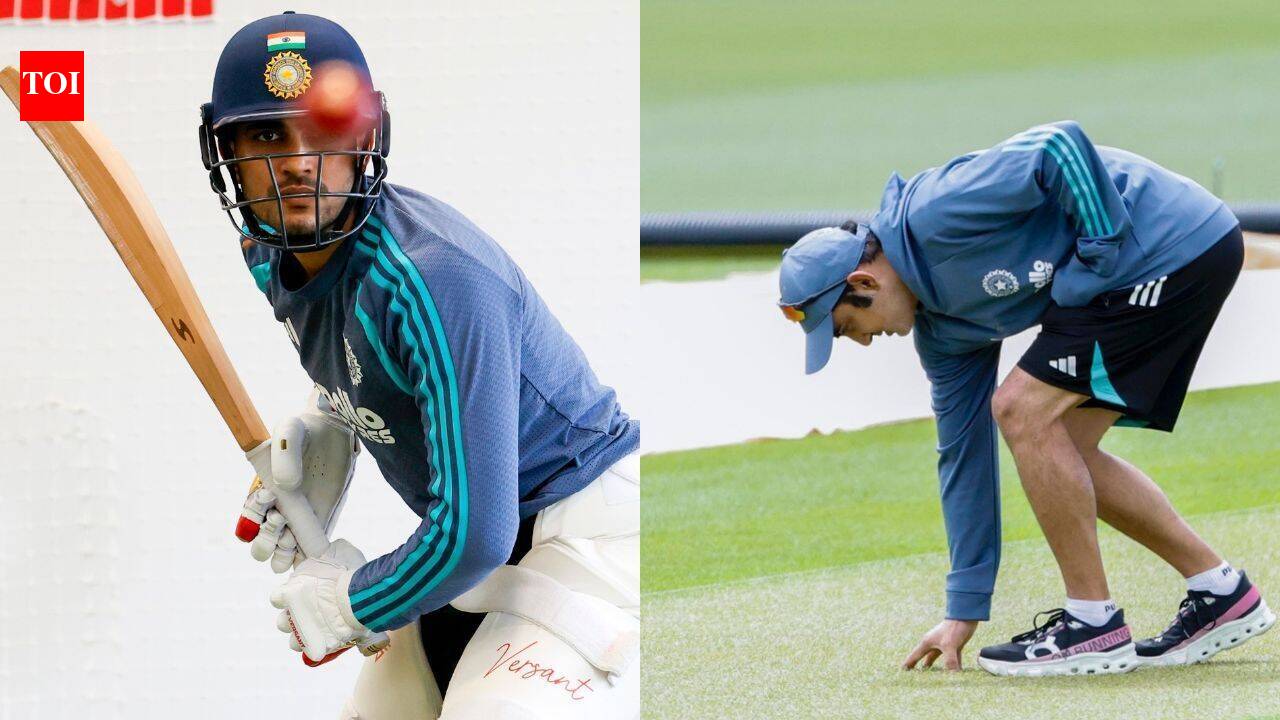
Former coach John Wright has advised Shubman Gill to cultivate a distinct leadership style similar to Sourav Ganguly. Meanwhile, India's WTC final qualification prospects have dimmed significantly, as acknowledged by bowling coach Morne Morkel.
The Evolution of Indian Leadership: Lessons from the Past
John Wright, the former coach who oversaw a transformative era in Indian cricket, has offered a poignant reflection on the nature of leadership, specifically drawing parallels between the tenure of Sourav Ganguly and the current challenges faced by young captain Shubman Gill. Wright’s observations underscore a fundamental truth in cricket: the captain must be the primary architect of the team's identity. As Gill navigates the complexities of modern international captaincy, the pressure to balance tactical input from the coaching staff while maintaining an independent, authoritative presence is paramount.
Defining the Captain’s Identity
Historically, the most successful Indian captains—Ganguly being the prime example—did not merely execute the plans of their coaching staff; they imposed their own vision upon the squad. Wright’s message serves as a reminder that a coach, including current head coach Gautam Gambhir, should function as a facilitator rather than the primary driver of on-field decisions. For Gill, the directive is clear: to command respect and achieve consistency, he must ensure the team reflects his personal vision, fostering a culture that is undeniably his own.
The Tactical Tug-of-War
Recent visual documentation from the Hagley Oval, showing Gill preparing in the nets while Gambhir inspects the pitch, highlights the collaborative yet delicate nature of the current setup. While coordination is necessary, the risk of a blurred line between coaching influence and captaincy autonomy is ever-present. If the captain defers too frequently to the sidelines, the team risks losing its spontaneous tactical edge, which is essential in the high-stakes environment of Test cricket.
WTC Aspirations and Reality
While the discourse around leadership is critical for the future, the immediate landscape is clouded by the stark reality of the World Test Championship (WTC) standings. India’s hopes of reaching the final, a goal that has defined the team's cycle for the past two years, are now described as all but over. The mathematical hurdles have become insurmountable, leaving the team in a state of transition where the focus must shift from qualification to rebuilding and refining their core strategies.
Perspectives from the Coaching Staff
Morne Morkel, the team's bowling coach, has offered a candid assessment of the situation. While acknowledging that every player possesses a burning desire to compete in the WTC final, he admitted that the goal is now a significant challenge. This transparency from the coaching staff is vital; it sets the tone for a team that must now play for pride and future development rather than immediate tournament progression.
A Path Forward
As India moves past the disappointment of their WTC campaign, the synergy between Gill and the coaching staff will determine the team's trajectory. By embracing Wright’s advice to assert authority and focusing on long-term structural improvements, Gill can turn this period of stagnation into a foundation for a new, resilient era of Indian cricket. The challenge lies not in the past failures, but in how effectively the current leadership can redefine its identity on the global stage.