Earnings live: Wall Street bank stocks mixed despite profit haul
Source Entity
Yahoo Finance
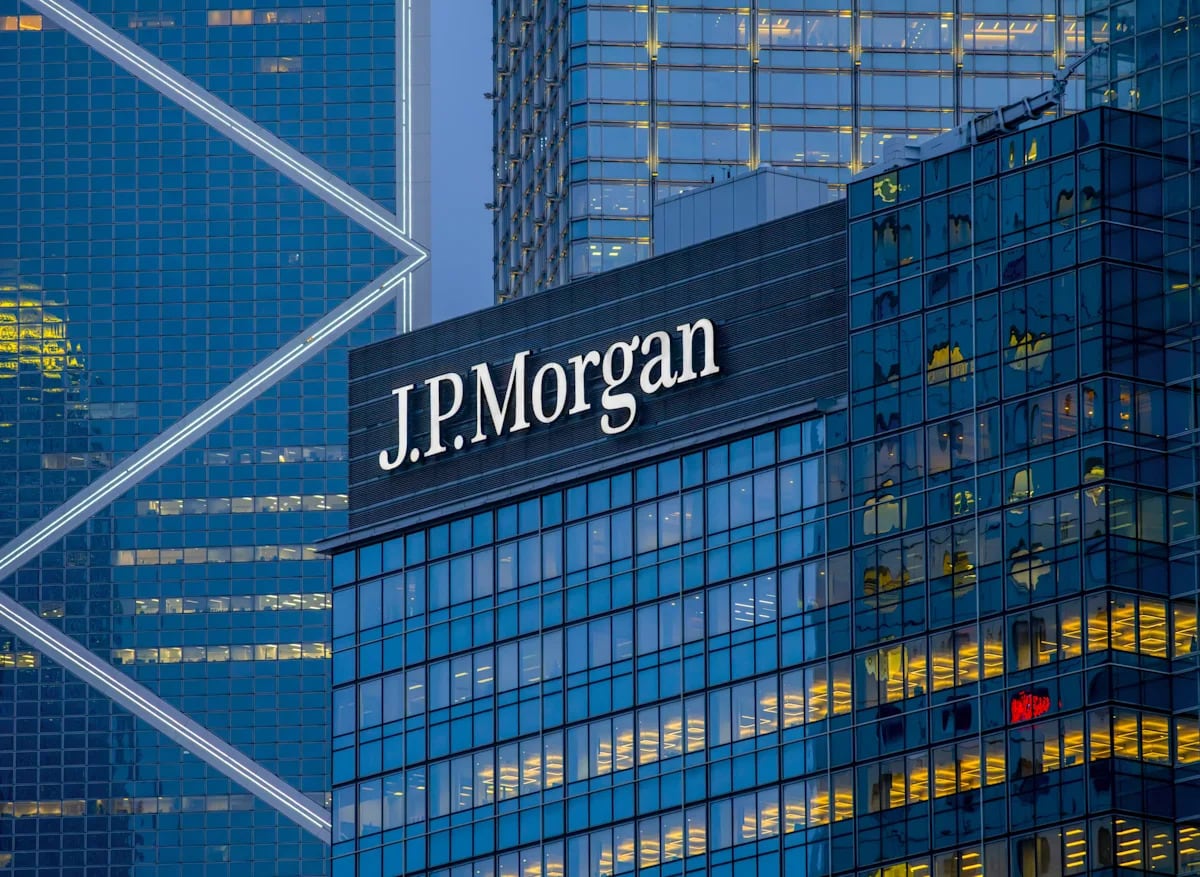
JPMorgan Chase has kicked off the second quarter earnings season by reporting its largest quarterly profit on record. Despite this strong performance, Wall Street bank stocks have shown a mixed reaction, reflecting investor uncertainty regarding the broader economic outlook.
Wall Street's Divergent Reaction to Record Banking Profits
The Vanguard of Q2 Earnings
The commencement of the second quarter earnings season is traditionally viewed as a critical barometer for the health of the global economy, with the financial sector serving as the primary bellwether. The recent reports from major Wall Street institutions, led by JPMorgan Chase, have set a complex tone for the period. JPMorgan's announcement of its biggest quarterly profit on record is a significant milestone, signaling that the largest banking entity in the United States continues to leverage its scale and operational efficiency to maximize returns in a challenging macroeconomic environment.
Analyzing JPMorgan's Record-Breaking Performance
JPMorgan's ability to secure record profits is not an isolated success but a result of strategic positioning within the current interest rate cycle. The bank has likely benefited from expanded Net Interest Income (NII), where the gap between what the bank earns on loans and what it pays on deposits widens during periods of high interest rates. This "fortress balance sheet" approach allows the institution to absorb market volatility while continuing to grow its bottom line, effectively capitalizing on the Federal Reserve's monetary tightening policies that have characterized the recent economic era.
The Paradox of Mixed Market Reactions
Despite the headline-grabbing profit figures, the mixed reaction of bank stocks highlights a psychological gap between corporate earnings and investor sentiment. When a company reports record profits but the stock price remains stagnant or dips, it often suggests that the market had already "priced in" the success. Investors are likely looking beyond the current quarter's windfall to assess the sustainability of these gains. There is a growing concern that the peak of the interest rate benefit has been reached, and any future pivots toward rate cuts by the central bank could compress margins for these financial giants.
Broader Economic Implications and Credit Risk
Beyond the immediate profit numbers, the broader implication of these results lies in the health of the underlying loan portfolios. While JPMorgan is thriving, the market's mixed reaction may stem from a cautious analysis of loan loss provisions. As high interest rates persist, the cost of borrowing increases for consumers and corporations alike, raising the risk of defaults. Analysts are scrutinizing whether these record profits are being offset by a necessary increase in reserves to cover potential bad debts, which would indicate a cooling economy and a rise in credit stress.
Historical Context and Sector Divergence
Historically, the banking sector has experienced periods of extreme divergence during economic transitions. We are currently seeing a trend where the "Too Big to Fail" institutions, like JPMorgan, possess the diversified revenue streams—spanning investment banking, asset management, and retail banking—to weather storms that might sink smaller, regional banks. This divergence reinforces the systemic importance of these mega-banks, as they become the safe havens for capital during periods of uncertainty, further consolidating their market power and profitability.
Future Trends and Market Outlook
Looking forward, the trajectory of bank stocks will likely depend on the Federal Reserve's next moves. If the economy achieves a "soft landing," where inflation is tamed without triggering a severe recession, bank stocks may eventually align with their strong earnings. However, if the record profits are viewed as the "last hurrah" before a downturn, the mixed reaction seen today could evolve into a broader sell-off. The upcoming reports from other major banks will be crucial in determining if JPMorgan's success is an industry-wide trend or a unique result of its specific scale and management.
Conclusion
In summary, while JPMorgan Chase has delivered an unprecedented financial performance, the market's lukewarm response underscores a period of transition for Wall Street. The tension between current record profitability and future economic uncertainty creates a volatile environment for investors. As the Q2 earnings season progresses, the focus will shift from how much banks earned in the past three months to how they are preparing for the economic realities of the coming year.