‘Tameez mein rehna chahiye’: Kailash Kher addresses Samay Raina-Sharon Verma’s Kashmiri Pandit-Bihari row
Source Entity
Latest News: Todays Latest News Headlines from India & World | Hindustan Times | Hindustan Times
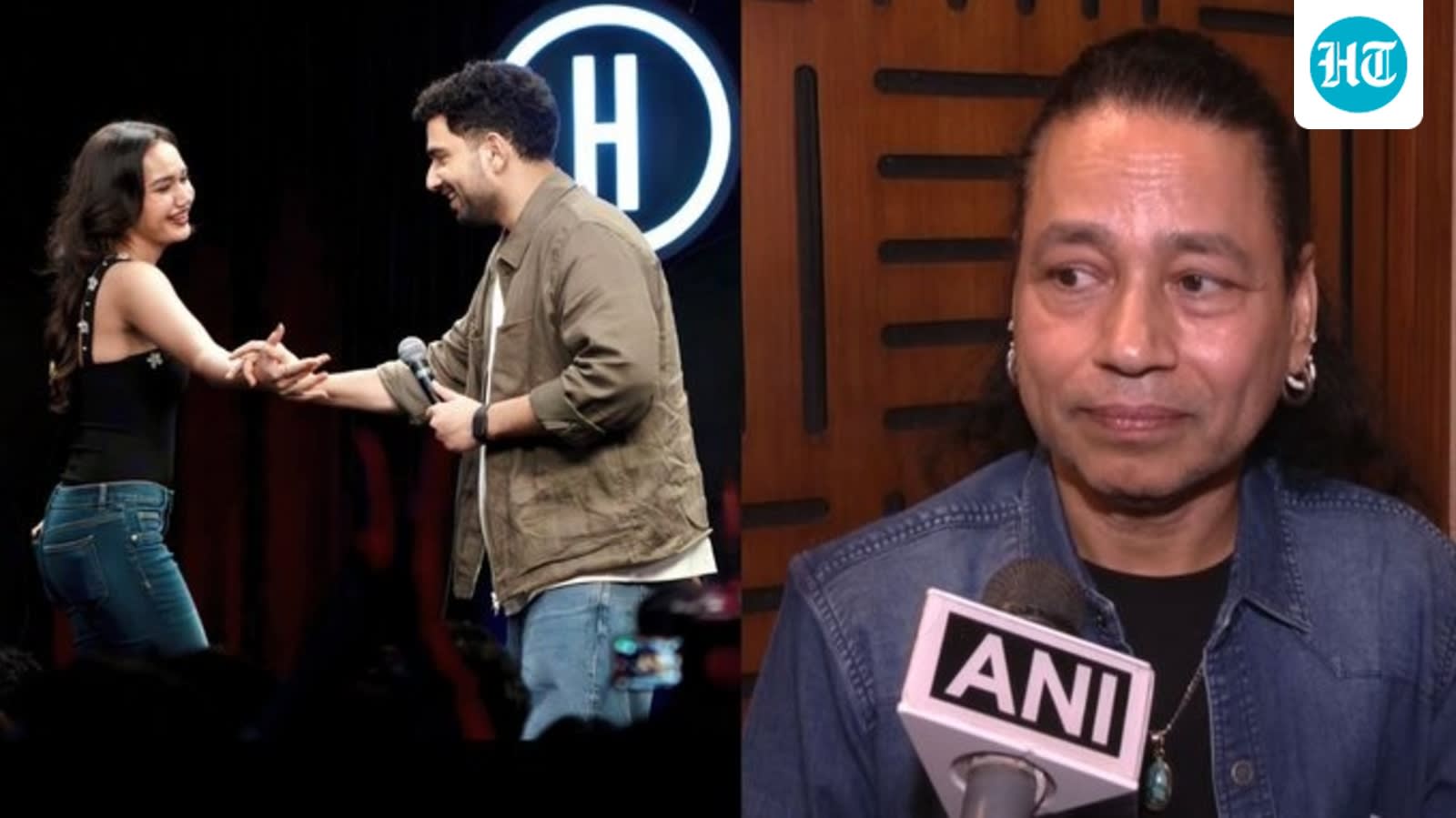
Singer Kailash Kher has publicly urged comedians to maintain civility and awareness following a controversy on 'India's Got Latent'. The debate centers on insensitive jokes regarding Kashmiri Pandits and residents of Bihar, sparking a broader conversation on the limits of comedy.
The Intersection of Comedy and Cultural Sensitivity
The recent controversy surrounding the stand-up comedy show India’s Got Latent, featuring comedians Samay Raina and Sharon Verma, has ignited a significant debate regarding the boundaries of humor in the digital age. At the center of the discourse is the nature of jokes targeting sensitive regional and historical identities, specifically those concerning Kashmiri Pandits and the people of Bihar. The public backlash highlights an increasing friction between the freedom of expression inherent in stand-up comedy and the societal expectation of cultural empathy.
Kailash Kher’s Call for 'Tameez'
Renowned singer Kailash Kher has weighed in on the controversy, advocating for a return to decorum in public discourse. In his statement to ANI, Kher emphasized the need for comedians to remain “chaitanye” (alert) and “tameez” (polite) when crafting their sets. By framing comedy as a form of discipline akin to music, Kher argues that when the 'tune'—or the intent behind the humor—is off-key, the result can inadvertently cross the line into mockery, causing real-world hurt to marginalized or historically sensitive groups.
The Impact of Regional Stereotyping
The criticism directed at Raina and Verma stems from the historical and social weight carried by the groups mentioned in their performances. Kashmiri Pandits have a complex history of displacement and struggle, while Biharis have often been the target of systemic regional stereotyping in Indian media. When these identities become the fodder for punchlines, it raises essential questions about whether stand-up comedy should be a space for punching up at power structures or if it risks punching down at vulnerable communities.
The Digital Age and Comedic Accountability
This incident is emblematic of a broader trend where social media acts as a rapid feedback loop for cultural content. In the past, comedy routines were contained within physical venues; today, snippets of shows are disseminated globally, stripped of their original context, and subjected to intense scrutiny. This exposure has forced a reckoning among content creators regarding their responsibility to their audience and the broader national fabric.
Towards a More Conscious Comedy
Kailash Kher’s intervention serves as a reminder that artistic expression does not exist in a vacuum. As comedians navigate a rapidly evolving landscape, the pressure to balance 'edgy' content with social responsibility will likely intensify. The demand for 'tameez' is not necessarily a call for censorship, but rather a request for a more sophisticated approach to satire—one that recognizes the difference between clever observation and harmful ridicule.
Conclusion: The Future of Satire
Moving forward, the industry will likely see a push for greater self-regulation and sensitivity training among performers. The India’s Got Latent controversy acts as a case study for the limits of public discourse, suggesting that while humor is an essential tool for social commentary, its power must be wielded with an acute awareness of historical context and human dignity.
Verification Required?