Kangana Ranaut endorses Anandiben Patel’s remarks: ‘A mother should learn how to cook’
Source Entity
The Indian Express
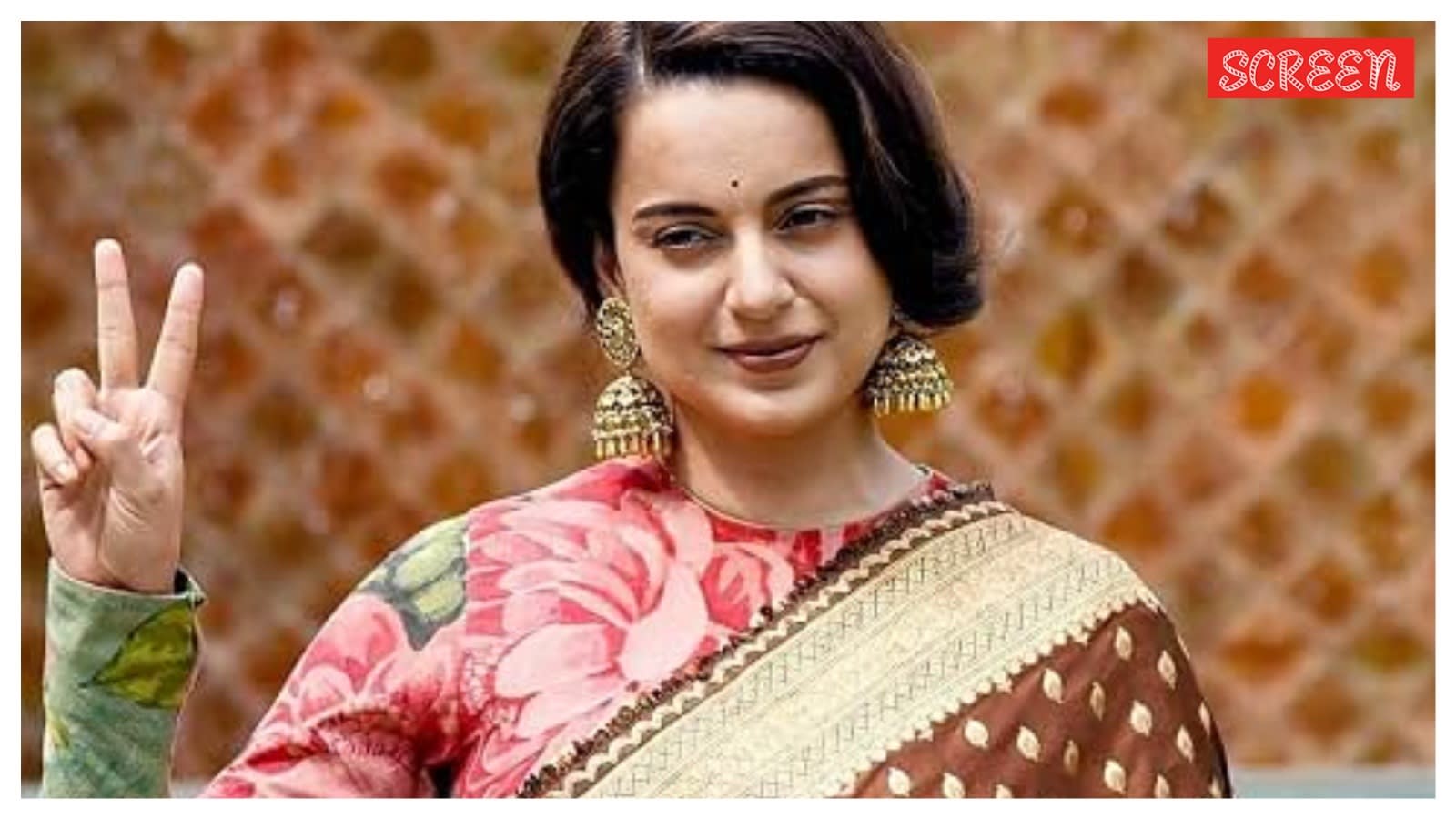
Kangana Ranaut on Sunday endorsed a contentious post on X, which contained a video of Uttar Pradesh Governor Anandiben Patel saying in a speech that a mother should first learn how to cook for her fam...
Analysis of the Controversy Surrounding Gender Roles and Political Endorsements
In a recent development that has reignited debates over traditional gender roles in India, actor and Member of Parliament Kangana Ranaut endorsed a video featuring Uttar Pradesh Governor Anandiben Patel. In the clip, Governor Patel emphasizes that a mother should first learn how to cook for her family, suggesting that domestic skills are a fundamental prerequisite for motherhood. Ranaut's endorsement of these remarks on X (formerly Twitter) has quickly transitioned from a simple social media interaction to a broader cultural flashpoint, highlighting the deep ideological divide regarding the role of women in the modern Indian household.
The Intersection of Tradition and Modernity
Governor Patel's comments reflect a deeply rooted traditionalist perspective that views the domestic sphere as the primary domain of the mother. By stating that cooking is a necessary skill for a mother, the Governor invokes a cultural narrative where the stability of the family unit is predicated on the woman's ability to provide care and nourishment. This perspective is often framed not as a limitation, but as a celebration of maternal duty and traditional family values. However, in the context of 21st-century India, where more women are pursuing higher education and professional careers than ever before, such statements are frequently perceived as regressive and reductive.
Political Alignment and Public Persona
Kangana Ranaut's decision to endorse these remarks is consistent with her recent public evolution. Once known as a disruptor and a rebel within the film industry, Ranaut has increasingly aligned herself with nationalist and conservative ideologies since her entry into formal politics as an MP. By backing the Governor's stance, Ranaut is signaling her alignment with a specific cultural ethos that prioritizes traditional familial structures over liberal feminist interpretations of gender equality. This strategic alignment allows her to consolidate support among a conservative voter base that views the erosion of traditional domestic roles as a symptom of Westernized social decay.
Societal Implications and the 'Culture War'
This event is a microcosm of the ongoing 'culture war' within India. On one side, there is a push toward 'Nari Shakti' (Women's Power) defined by economic independence, political leadership, and the breaking of glass ceilings. On the other side, there is a belief that true empowerment involves the harmonious balance of professional success with the preservation of traditional domestic responsibilities. The controversy arises when the 'choice' to be a homemaker is presented as a 'duty' or a requirement, as implied by the Governor's remarks. This tension underscores a societal struggle to redefine womanhood in a way that respects both individual ambition and cultural heritage.
Predicting Future Trends in Public Discourse
Looking forward, it is likely that such statements will continue to polarize public opinion. As political figures increasingly use social media to signal their ideological leanings, we can expect more 'endorsement-based' controversies. The backlash from progressive circles and feminist organizations will likely intensify, focusing on the danger of normalizing domesticity as a mandatory female trait. Conversely, the endorsement by figures like Ranaut will provide a shield for traditionalists, framing the debate as a defense of 'Indian values' against 'foreign ideologies.'
Conclusion
Ultimately, the endorsement of Governor Anandiben Patel's remarks by Kangana Ranaut is more than a comment on culinary skills; it is a political statement on the ideal structure of the Indian family. While the Governor's words may be seen by some as practical advice for family wellbeing, they are viewed by others as an attempt to confine women to the kitchen. This clash of perspectives ensures that the dialogue surrounding gender, duty, and autonomy will remain a central and contentious theme in India's socio-political landscape.