Kanpur plane crash: No distress call, flight-monitoring gaps emerge in AAIB probe
Source Entity
RAJEEV SINGH
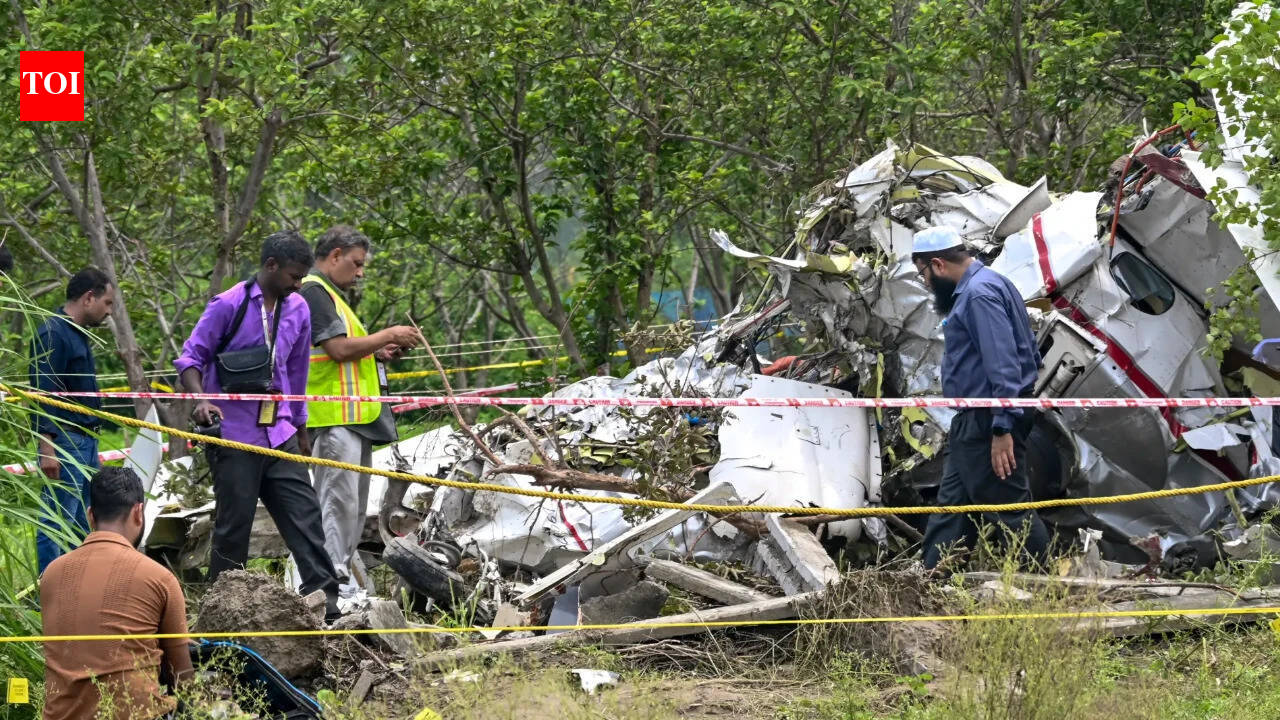
The AAIB investigation into a fatal Kanpur plane crash reveals significant lapses in flight monitoring by Garg Aviation. The probe highlights a lack of standard operating procedures and missing data records for the ill-fated training flight.
Investigation into the Kanpur Aviation Tragedy
The Incident Overview
On August 27, a tragic aviation accident occurred near the Natthapurwa village, close to the Ganga Barrage in Kanpur, resulting in the loss of both an instructor and a trainee pilot. The aircraft involved was a four-seater, dual-engine Tecnam plane operated by Garg Aviation. The sudden nature of the crash, compounded by the cessation of all communication following a final radio call, prompted an immediate inquiry by the Aircraft Accident Investigation Bureau (AAIB).
Critical Lapses in Flight Monitoring
The preliminary seven-page report released by the AAIB reveals alarming gaps in the operational protocols maintained by Garg Aviation. Investigators discovered that while the operator claimed to perform random checks on data captured by the aircraft’s Garmin system, they were unable to produce any documented evidence of these audits. This absence of verifiable records raises serious questions regarding the operator's commitment to safety standards and routine maintenance oversight.
Absence of Standard Operating Procedures
Perhaps the most concerning finding is the operator's lack of a formal Standard Operating Procedure (SOP) regarding flight data monitoring. Without a structured framework, there were no clearly defined metrics or thresholds that would have triggered intervention or corrective action during a flight. This regulatory vacuum meant that potential indicators of mechanical or operational distress could have gone unnoticed, directly impacting the safety of the training mission.
Technical Analysis and Ongoing Inquiry
As the probe continues, authorities are focusing on a granular examination of the aircraft’s engines and the recovered flight data. By analyzing these components, the AAIB aims to reconstruct the final moments of the flight and determine if mechanical failure or human error precipitated the silence after the final radio transmission. The investigative focus remains on whether the lack of data oversight contributed to a delayed response in identifying the aircraft's critical condition.
Broader Implications for Aviation Safety
This incident serves as a stark reminder of the necessity for rigorous adherence to safety protocols within flight training organizations. The failure to maintain and audit flight data is not merely a bureaucratic oversight; it is a fundamental breakdown in the safety culture required for aviation operations. Moving forward, this case will likely necessitate tighter regulatory scrutiny over how private aviation firms manage their monitoring systems to prevent similar tragedies.
Conclusion and Future Outlook
The preliminary findings from the AAIB highlight a systemic failure in the oversight of training flights at Garg Aviation. As the final report is awaited, the industry must grapple with the need for better transparency and mandatory adherence to data-driven safety protocols. Ensuring that every training aircraft is subject to documented, rigorous monitoring is the only way to mitigate risks and honor the lives lost in this preventable disaster.