Patients asked to clean human waste: Karnataka doctor, nurse suspended
Source Entity
Kiran Parashar
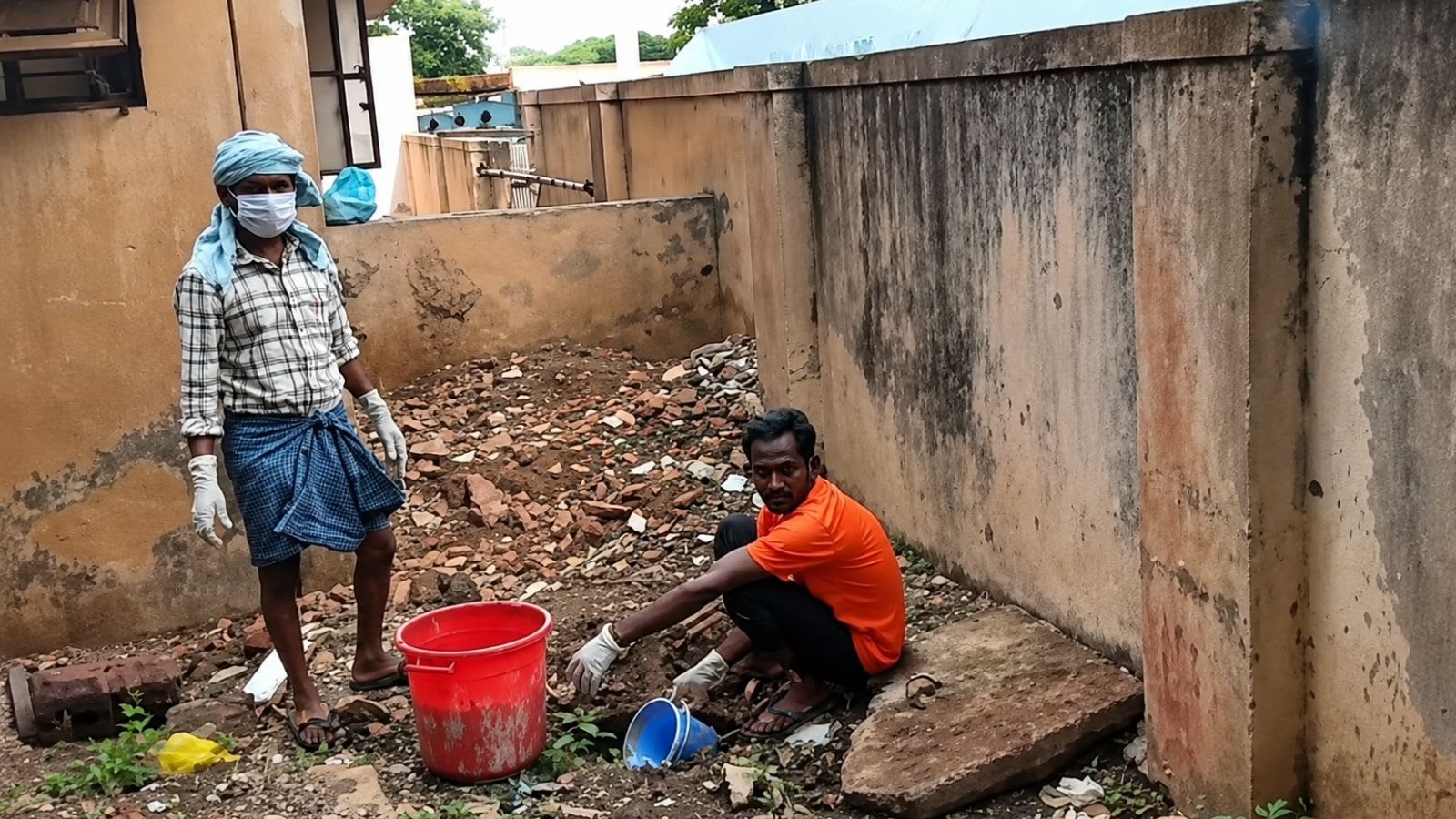
A doctor and a nurse in Karnataka's Haveri district have been suspended and charged for allegedly forcing patients to manually clean an overflowing hospital cesspit. Authorities invoked the Prohibition of Employment as Manual Scavengers and their Rehabilitation Act, 2013, to address the incident.
Medical Ethics Breach in Haveri
A disturbing incident in the Haveri district of Karnataka has sparked national outrage after reports emerged that a doctor and a senior nurse allegedly forced patients to clean an overflowing cesspit at the Savanur taluk hospital. The gravity of this situation cannot be overstated, as it represents a severe violation of both medical ethics and fundamental human rights. By allegedly leveraging the patients' need for medical care as a bargaining chip, the accused reportedly coerced vulnerable individuals into performing hazardous sanitation work in exchange for better treatment and medicines.
Legal Implications and Accountability
The district administration moved swiftly to suspend Dr. Shankar Y. Hiregowdar and senior nurse Vanitha pending a departmental inquiry. Beyond administrative action, the involvement of the Haveri police underscores the criminal nature of the act. The authorities have invoked the Prohibition of Employment as Manual Scavengers and their Rehabilitation Act, 2013. This legislation is a cornerstone of Indian social justice, specifically designed to eliminate the dehumanizing practice of manual scavenging. The application of this law signals that the state intends to treat this not merely as a workplace grievance, but as a serious violation of statutory prohibitions against forced labor.
The Erosion of Public Trust
Public health facilities are intended to be sanctuaries of healing and dignity. When medical professionals, who are tasked with the care of the sick, exploit their position of authority to force patients into manual labor, it fundamentally erodes public trust in the healthcare system. The fact that the hospital infrastructure—specifically the cesspit—was allowed to reach a state of overflow is a failure of hospital management, but the decision to resolve this through patient exploitation is a failure of moral leadership.
Broader Context of Manual Scavenging
Manual scavenging remains a deeply entrenched social issue in India, despite being legally banned. The 2013 Act was intended to provide not only a prohibition but also a pathway for the rehabilitation of those involved in this work. When such practices occur within a government-run facility, it highlights the systemic neglect of sanitation infrastructure. The reliance on patients to perform custodial duties, particularly those as hazardous as cleaning human waste, points to a potential lack of support staff or a gross prioritization of cost-cutting over sanitation hygiene.
Future Trends and Oversight
The district administration’s request for a report from Health Officer Dr. Nagaraj is a necessary first step toward institutional accountability. Moving forward, it is essential that the state government mandates strict audits of hospital sanitation protocols across all taluk-level facilities. Preventing such incidents in the future will require both rigorous infrastructure maintenance and a cultural shift within medical institutions to ensure that the dignity of the patient remains the paramount concern. This case will likely serve as a litmus test for how strictly the 2013 Act is enforced in public sectors, potentially setting a precedent for zero-tolerance policies regarding the abuse of patient rights.